Speeding Up Your Pizza Line with Quartz Infrared
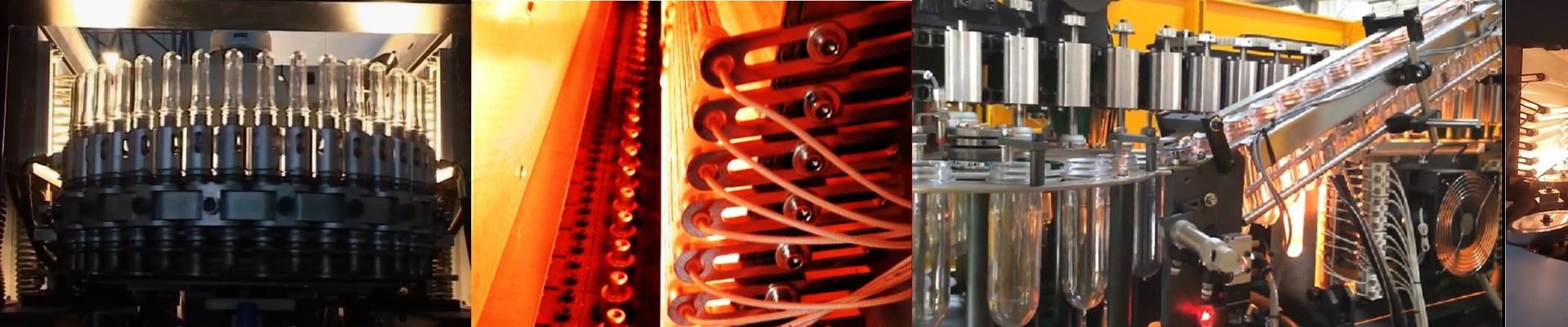
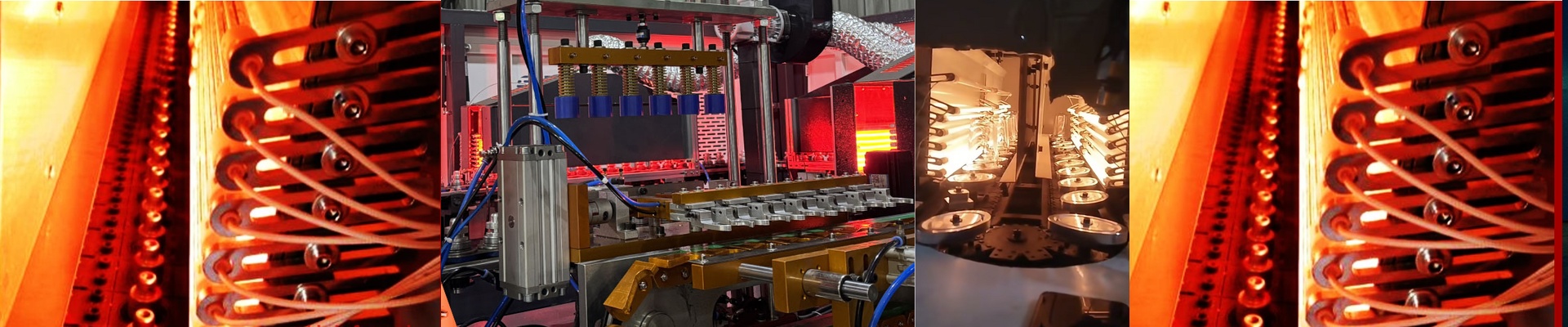
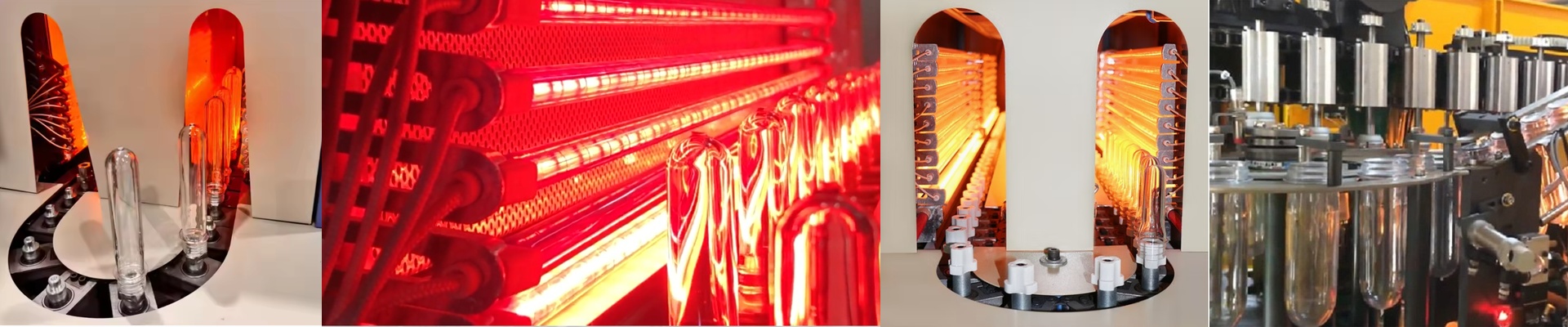
If you’re running an industrial pizza line, you know the struggle. The biggest headache is usually that balancing act: trying to get the inside of the dough cooked through without turning the crust into a charcoal briquette. It’s the classic bottleneck that kills your productivity. We handle this by swapping out old-school convection for quartz infrared tubes. Instead of waiting for hot air to swirl around, you’re using direct radiant heat. It’s a huge shift. It means you can actually push the belt speed—getting way more pizzas out the door every minute—without sacrificing the bake. The secret is in the response time. When you want to move faster, you need a lot of power in a very small space. Traditional heaters are slow; they have to warm up the air first. Quartz tubes don’t play that game. They shoot short-wave radiation straight into the dough the second it hits the heat. If you crank up the line speed and notice things aren’t cooking quite right, you’ve got options. You can bump up the wattage or just tweak the spacing of the tubes to kill off those annoying cold spots on the conveyor. Built for the heat We use high-purity quartz glass for a reason. This stuff is tough. It can go from room temperature to screaming hot in a few seconds without cracking under the pressure. Most of our setups use halogen-filled designs because they push more heat and light through the glass. And since we know downtime is a nightmare, we use R7s or Sk15 connectors. They’re basically “plug and play,” making it easy to swap a tube out during a quick maintenance window without a fuss. A word of caution Now, this isn’t a magic wand. There’s a trade-off. If you cram 2500W or more into a short tube just to make the line fly, the oven housing is going to get incredibly hot. You can’t ignore that. You’ll need to make sure your exhaust fans and cooling jackets are up to the task. If the housing overheats, you’re looking at warped conveyor rails or pizzas that are burnt on top but raw on the bottom. It’s all about the balance. Match your tube height and wattage to your belt speed, and you’ll be golden.