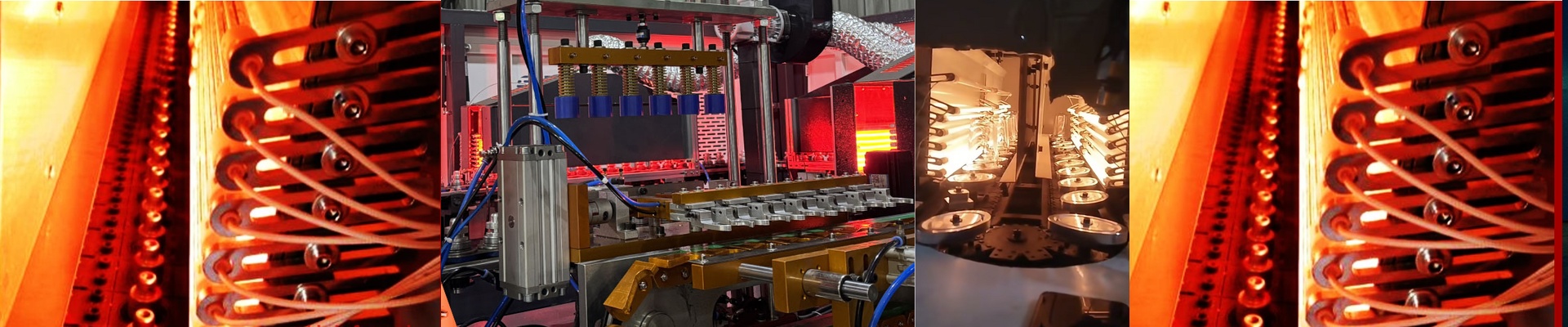
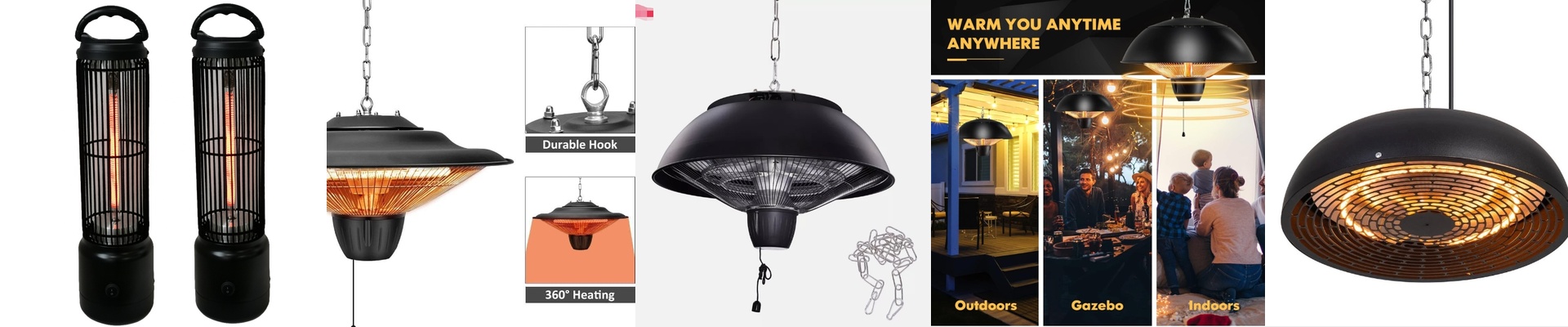
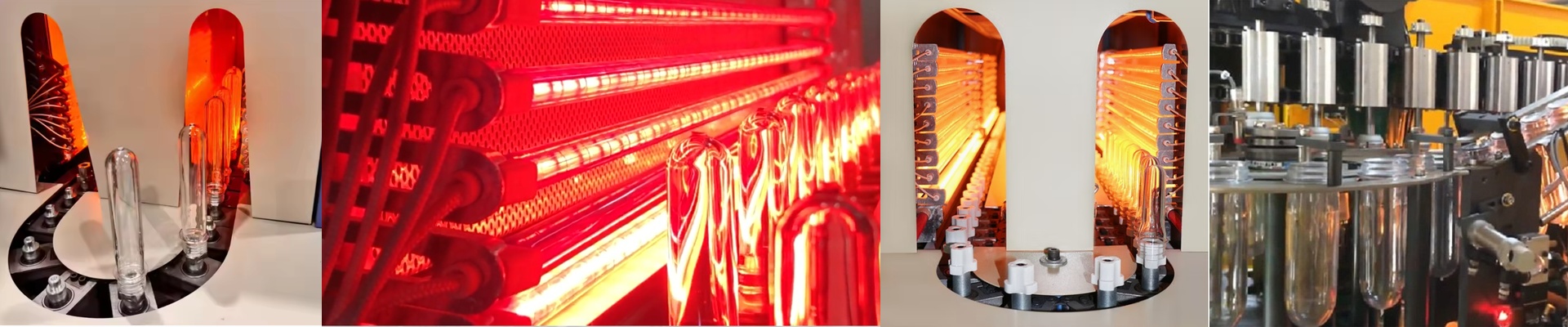
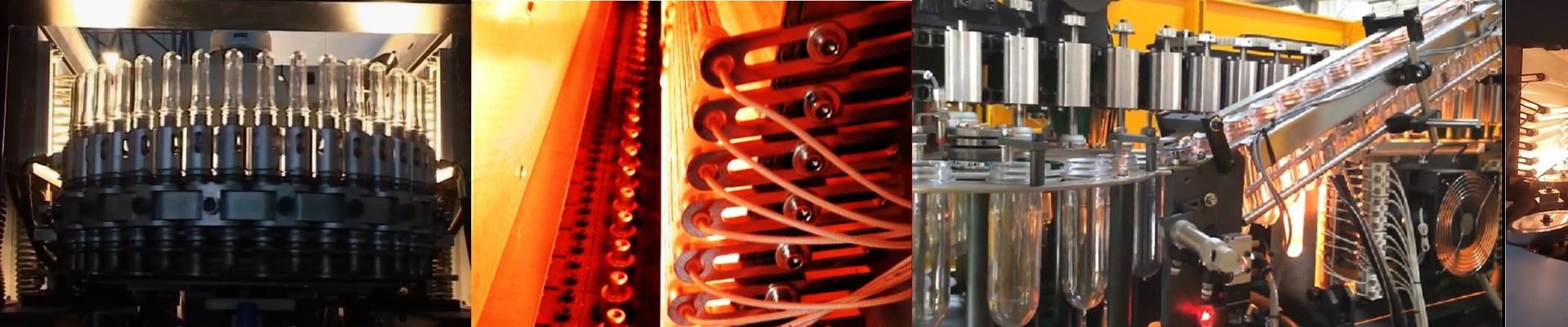

In a busy kitchen, the window between “order in” and “dish out” is measured in seconds. A cold oven drags your whole line down, and uneven heat turns a solid recipe into a guessing game—pale edges, soggy centers, and a line that stops moving. What matters under the hood Our convection ovens are built with a full stainless steel exterior and interior, paired with quartz tube heating elements. Quartz tubes come up to temperature fast, so the baking chamber hits setpoint quickly and recovers fast every time the door swings open. The internal fan keeps air moving evenly, so heat wraps around pans and trays instead of pooling in hot spots. In practice, that translates to more predictable browning and caramelization, batch after batch, without chasing thermostat swings all service long. Why this build holds up on the line This isn’t a showpiece—it’s a workhorse sized for real service volume. Stainless steel takes daily cleaning, high heat, and the bumps that come with a crowded prep area. The quartz tube system cuts preheat wait time, so you can start that first bake sooner and keep the flow steady when the rush hits. You get tighter temperature stability across the chamber, which helps on everything from delicate pastries to high-volume roasting. Fewer re-fires, fewer underdone items, and a calmer kitchen when the tickets stack up. Here is what to plan for Quartz tubes are fast and efficient, but they need proper voltage and a stable supply. Voltage dips will shorten element life, plain and simple. These ovens also need clear clearance around the vents and a dedicated exhaust path to manage moisture and heat buildup. Line up the install details with your electrician and ventilation layout up front, and you’ll get the performance you need without surprise downtime.