Making a 500W Quartz Heater That Actually Lasts
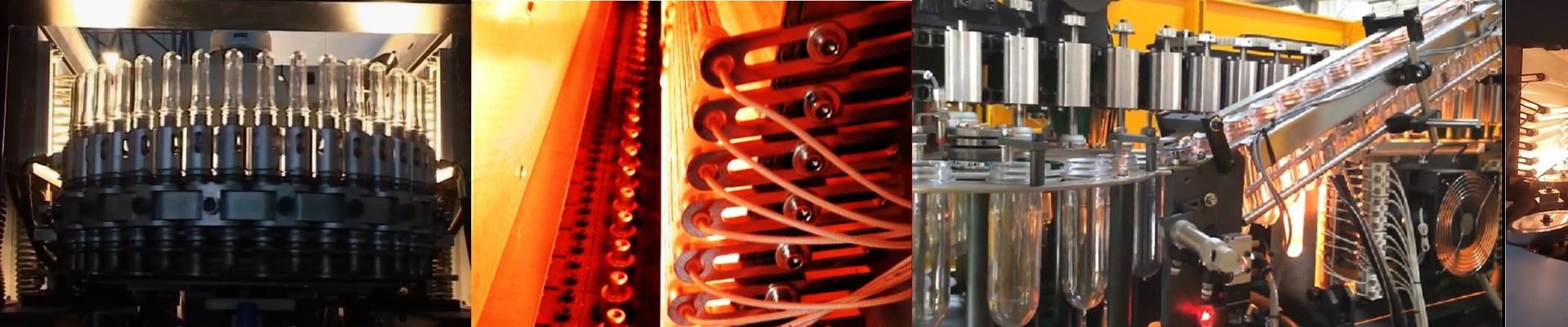
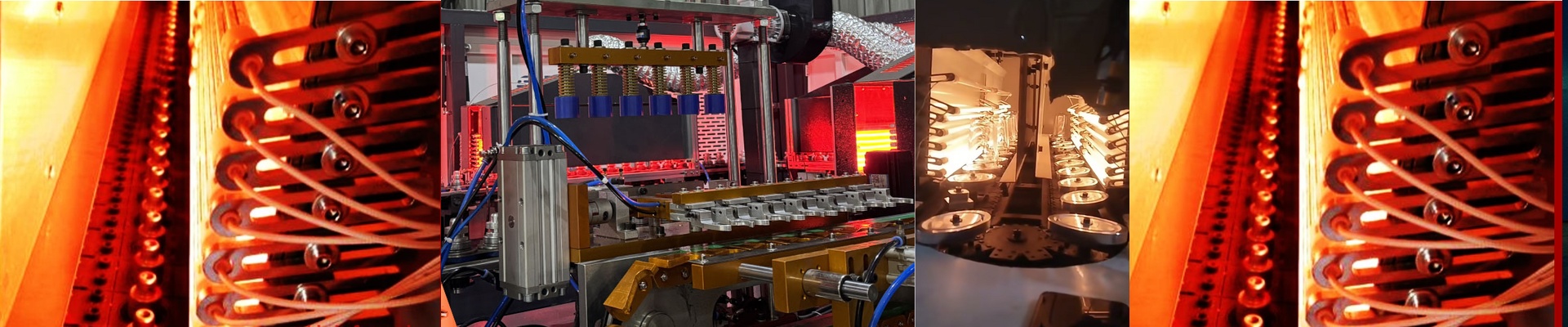
If you’re running an industrial oven for 10 hours a day, you know the struggle. You’re pushing your heating elements to the absolute limit. When it comes time to buy replacements, the big question is always the same: Can a quality domestic tube actually handle the heat, or is it just going to burn out in a week? Here is the honest truth about how these things work.
The 500W Reality
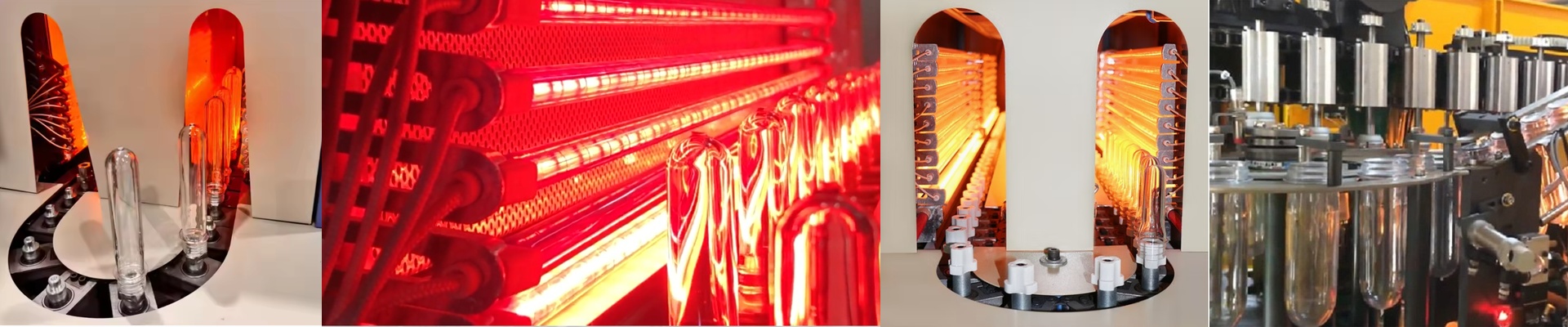
That 500W rating isn’t just a number on a box. It’s how much heat is actually hitting your workpiece. Inside that quartz tube, the tungsten filament gets screaming hot to push out short-wave infrared radiation. The cool part? This energy dives straight into the material instead of just warming up the air around it. It’s fast. Really fast. But there’s a catch. If the wattage isn’t balanced perfectly with the length of the tube, you get hotspots. And hotspots are the enemy—they’re usually what cause the quartz to crack.
Why Some Tubes Just Die
You’ve probably seen “budget” tubes that fail almost immediately. Usually, it’s because the quartz isn’t pure enough or the vacuum seal is sloppy. Tiny impurities in the glass create stress points. When you hit a 10-hour shift, the glass expands, the stress peaks, and pop. We use high-purity fused quartz so the tube can breathe and expand without warping. Then there’s the filament. It has to be dead-center. If the coil sags even a little, the heat spreads unevenly and the whole thing burns out way too early. When it’s done right, you get a replacement that just works, holding its power for thousands of hours.
The “Gotchas” (Read This Part)
High-output quartz is powerful, but it’s also finicky. First, they’re fragile. If your oven vibrates too much, or if you touch the tubes with oily fingers during install, you’re asking for trouble. Those oils create spots that fail under heat. Plus, keep an eye on your wiring. A loose connection at the terminals can cause an arc, and that will kill your element in a heartbeat. And for heaven’s sake, use a decent controller. You don’t want your temperature overshooting the mark, or you’ll be replacing these tubes a lot more often than you’d like.