Why we’re ditching resistance wires for frosted quartz
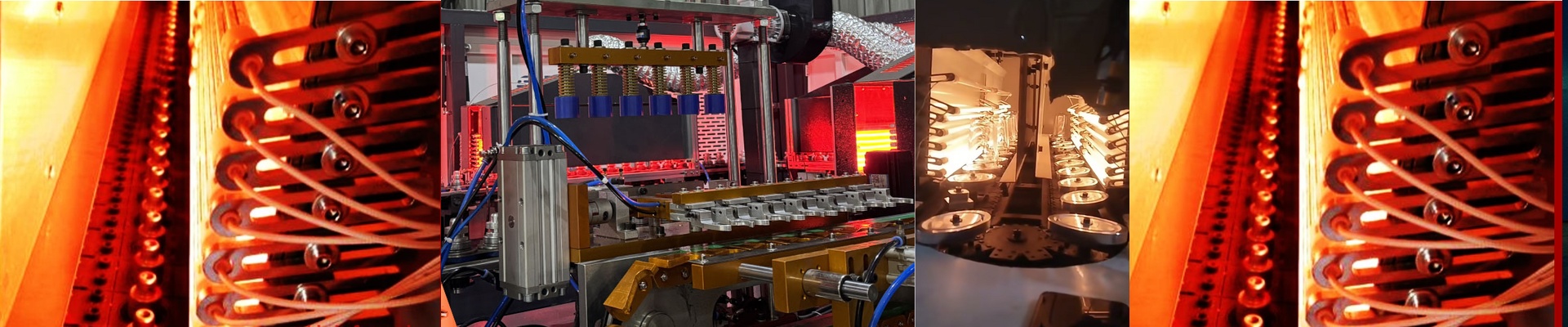
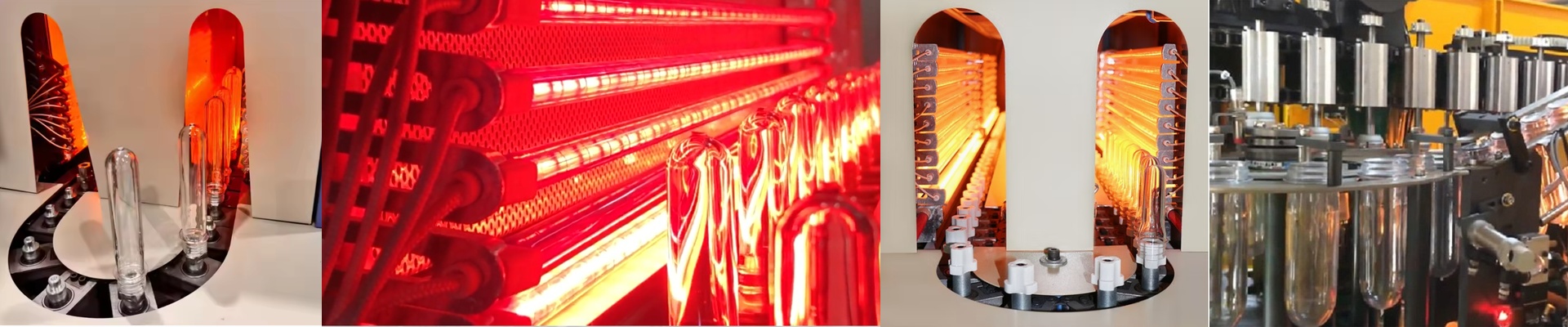
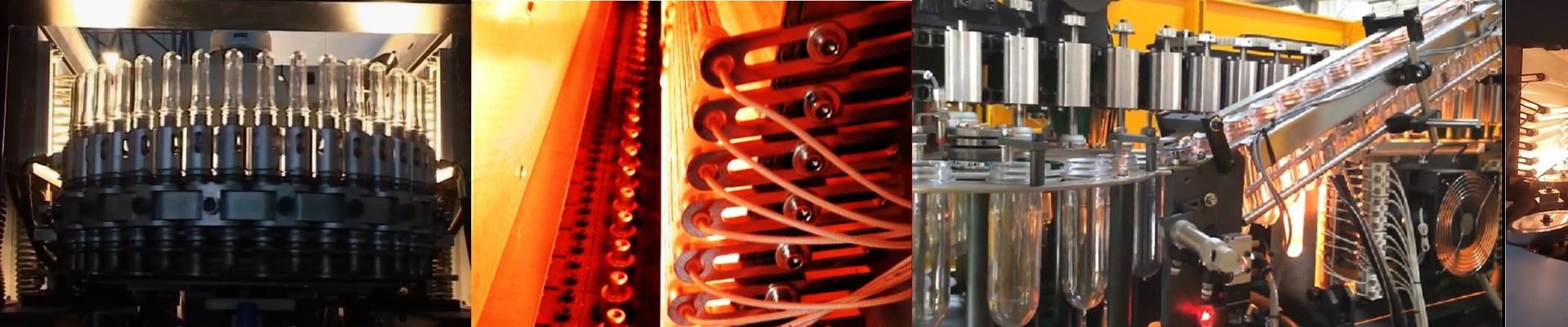
Most old-school ovens use those standard resistive heating wires. They work by heating the air, and then that air eventually heats your part. It’s a slow crawl. Plus, you lose a ton of heat along the way. We’ve started swapping those out for frosted quartz infrared lamps. It completely changes how the energy actually hits your work.
The magic of the “frost”
If you use clear quartz, you often end up with “hot spots” that can ruin a piece. Frosted quartz is different. It scatters the infrared light, spreading the heat out evenly across the whole chamber. You get a consistent bake every time. And the best part? You don’t have to crank the fans to the max just to push hot air around.
Speed and your power bill
Resistance wires are sluggish. They take forever to warm up and they stay hot long after you’ve flipped the switch. It’s a lot of wasted energy. Infrared lamps? They’re almost instant. Because they react so fast, you can pair them with a PID controller to keep your temperature swings tight. Since the heat moves via radiation—not by warming up every inch of air and every oven wall—your electricity usage drops. We’ve seen a real difference in the kWh per cycle. It adds up.
The catch (because there’s always one)
It’s not all magic. High-density IR lamps are tough on your reflectors. If your reflectors get dirty or pitted, your efficiency takes a dive. You also have to be smart about where you place the lamps. Get them too close to the product, and you’re going to scorch your work.
Getting it set up
The good news is that these lamps usually slide right into your existing heating banks. Just double-check your voltage and wattage so your power supply can handle the load. Once you’ve got the right length and power specs, the install is a breeze. Your equipment takes up the same amount of space, but your power bill actually shrinks.