Why we’re swapping metal coils for quartz in the kitchen
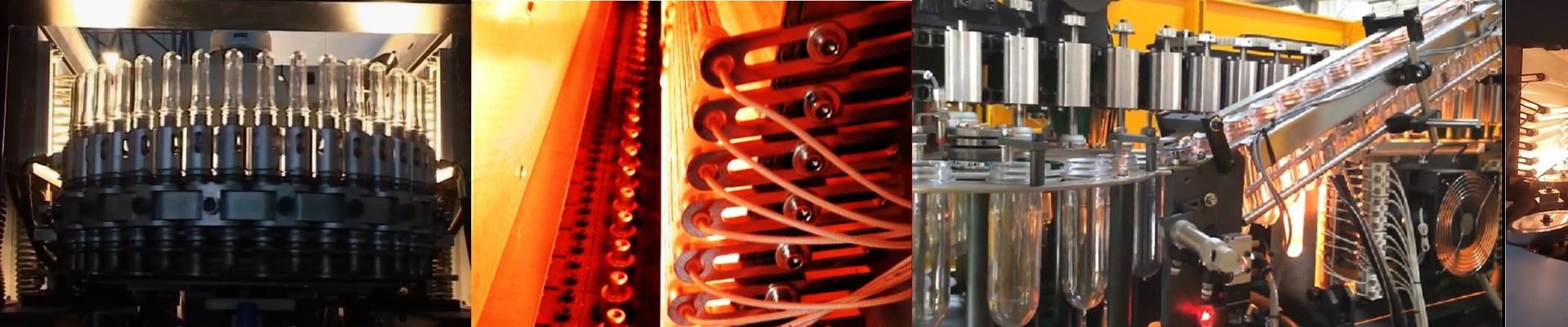
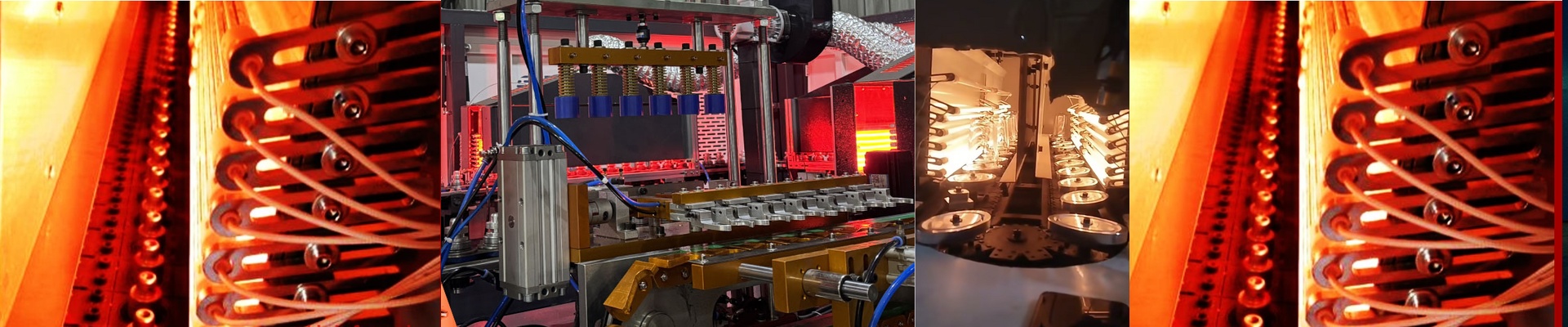
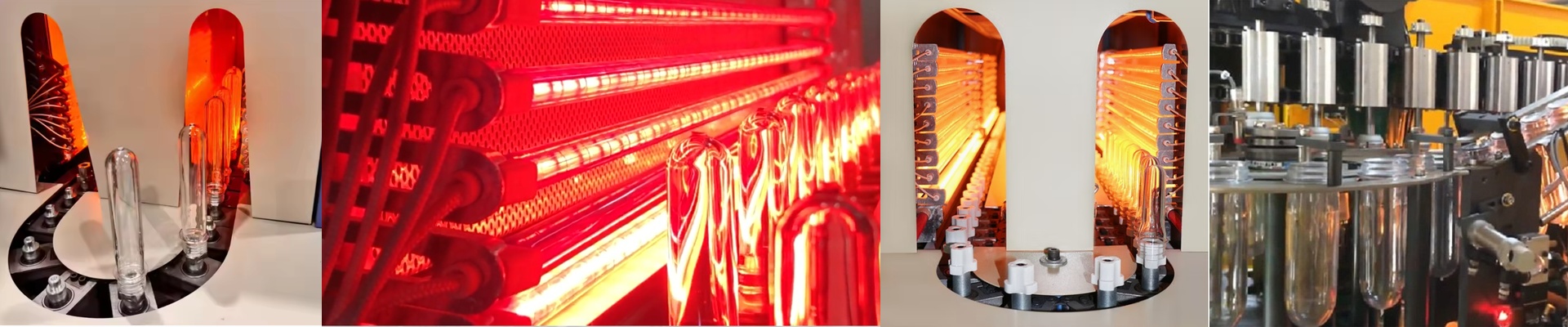
Most restaurant ovens are still stuck in the past, using those old metal resistance wires. They work by heating up the air, and then the air eventually heats up your food. It’s slow. A lot of heat just vanishes into thin air before it ever touches the plate. We do things differently. We use clear quartz infrared elements. It’s a completely different way of getting heat onto the food. The secret is in the straight line. Think of it like this: clear quartz tubes let short-wave infrared radiation zip right through the glass. Instead of wasting time warming up every inch of the oven cavity, the energy travels in a straight shot and hits the food directly. No more staring at the oven waiting for a long pre-heating cycle to finish. It ramps up fast. Really fast. Getting the hardware right When we build these for a commercial kitchen, we obsess over the wattage-to-length ratio. If we pack more wattage into a shorter tube, we get a higher heat density. The best part? You can actually make the oven smaller without losing any power. We use high-purity quartz, too, so the tubes don’t get cloudy or crack when the temperature swings wildly during a dinner rush. The trade-off (because nothing is perfect) You’ll definitely notice the difference in your electric bill. You aren’t paying to heat the oven walls or the air around the food—the heat goes exactly where it belongs. But here’s the thing: quartz is fragile. A metal coil can take a beating, but a quartz tube will shatter if someone bangs a heavy pan against it or splashes ice-cold water on it while it’s hot. Your crew just needs to treat them with a bit of care. Easy swaps We designed these to be drop-in replacements. If a tube finally burns out, you don’t have to rewire the whole machine. You just pull the connector, slide the old one out, and pop a new one in. Just double-check that your voltage matches the spec before you flip the switch, or you’ll blow the filament the second it starts up.