Getting Your Bread Crust Right: Why Your Heating Tubes Actually Matter
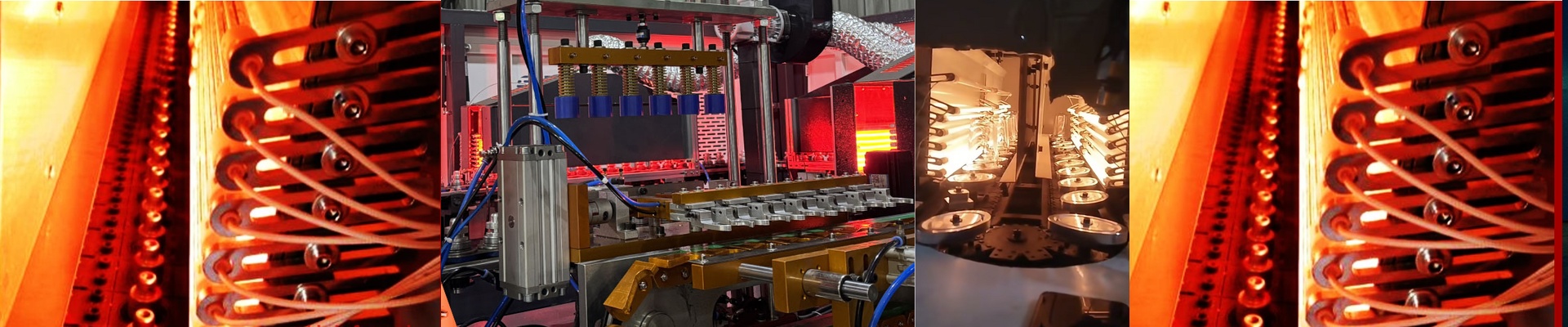
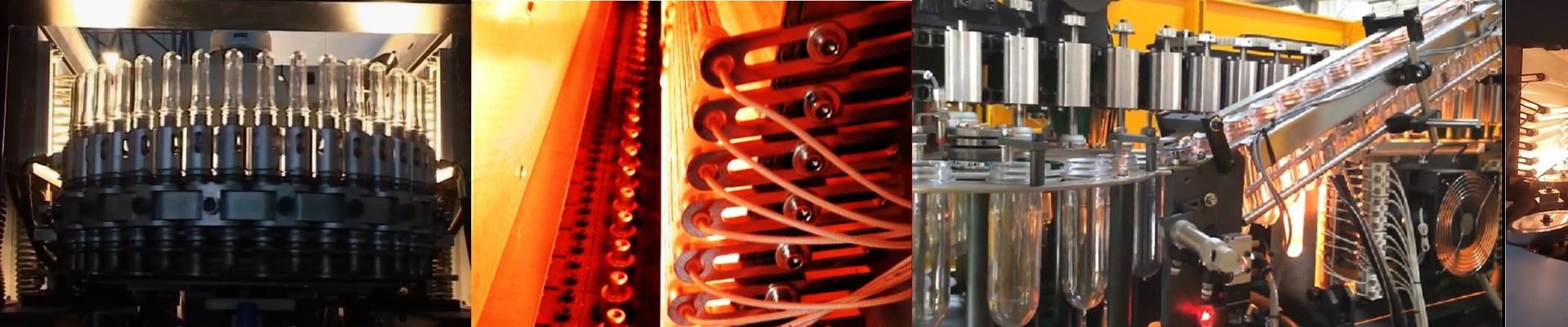
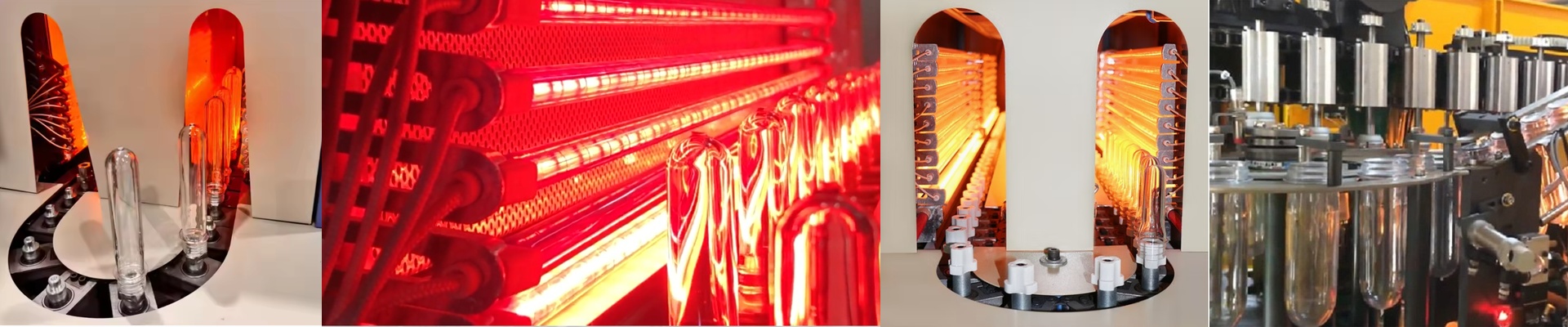
If you’ve spent any time in a commercial kitchen, you know that a single degree can be the difference between a perfect, golden-brown crust and something that just isn’t right. It’s frustrating. You do everything right with the dough, but the oven decides to act up. That’s why we obsess over our replacement quartz heating tubes. They aren’t just “parts”—they’re what actually get the heat into your bread. They turn electricity into that instant, deep heat that hits the dough the second it slides in. The trick is speed. Quartz is great because it doesn’t hang onto heat like a heavy piece of metal does. When you flip the switch off, the heat stops. Period. No “overshooting” the temperature and burning your batch because the element stayed hot too long. But here’s the thing: you can’t just throw any tube in there. If the wattage or voltage doesn’t match your oven’s specs, your controller is going to get confused. It’ll try to hit a target temperature but won’t get there in time. You end up with bread that looks… off. Built for the chaos of a kitchen. Kitchens are brutal. Constant heating up, cooling down, heating up again. Most tubes crack under that kind of stress. We use high-purity fused quartz because it can handle that “thermal shock” without snapping. And let’s talk about the seals. Most of the time, when a tube dies, it’s because the seal between the filament and the glass leaked. Oxygen gets in, the tungsten filament burns out, and suddenly you’re staring at a cold oven during the morning rush. We reinforced those seals so you don’t have to deal with that headache. Swapping them out. These are simple drop-in replacements. You don’t need a degree in engineering to install them—just wire them to your existing terminals and you’re good to go. One quick heads-up, though. If you’re tempted to jump to a higher wattage tube for “more power,” check your wiring first. If your wires are too thin for the extra current, you’ll get a voltage drop. The result? You won’t hit that peak temperature needed for the Maillard reaction—that magic chemistry that gives bread its color and flavor. You’ll be paying for more power but getting a paler crust. Not a great trade.