Getting That Perfect Crust: The Secret to Fast-Switching Heat
If you’ve ever run a bread oven, you know the struggle. You need those intense bursts of heat to get the Crust a beautiful golden brown, but if the heat lingers too long, you end up with a crumb that’s dry as a bone. It’s a delicate balance. That’s why we went with a twin-tube infrared setup. When your system is clicking on and off every few seconds, you need a lamp that hits its target temperature instantly—and cools down just as fast.
Why the Speed Matters
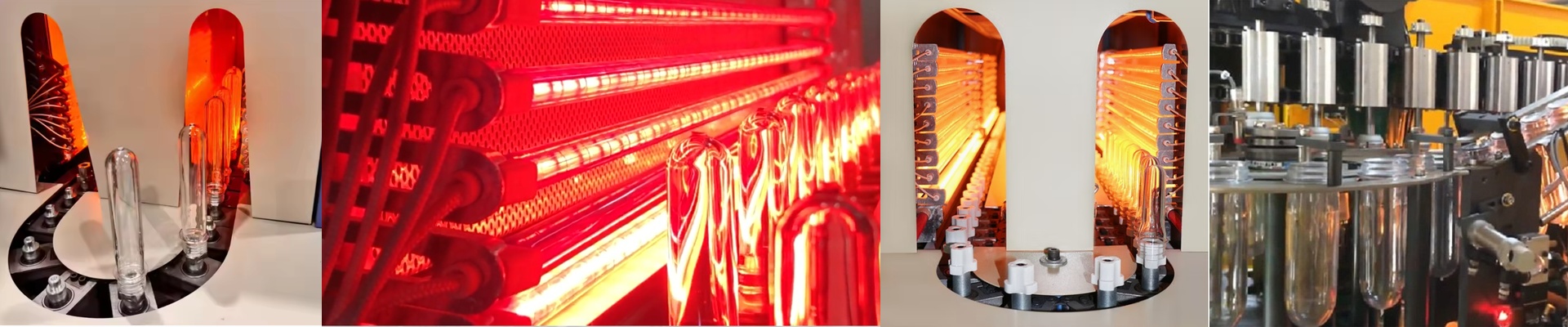
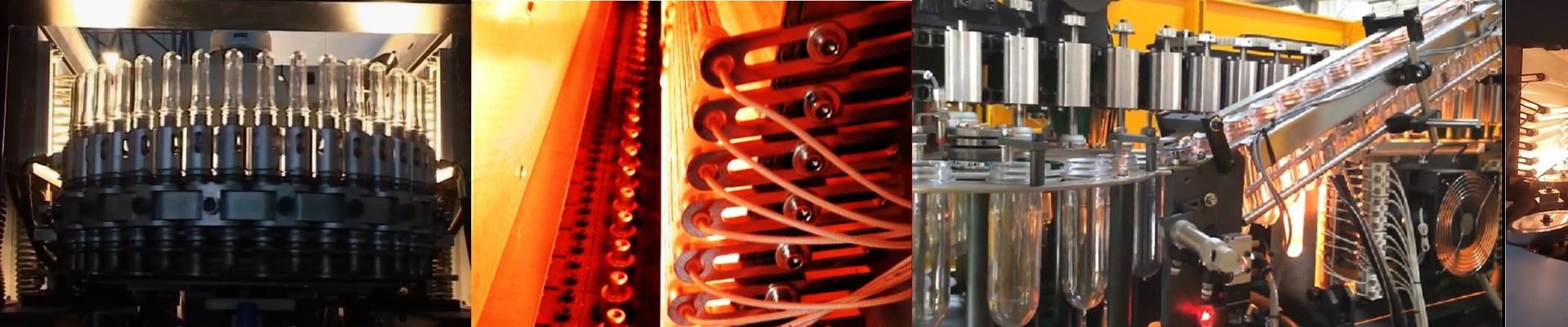
Here’s the thing: we use short-wave infrared emitters with very low thermal mass. Most heating elements act like a sponge, soaking up heat and holding onto it. Not these. Our twin-tube design gives the tungsten filament more room to breathe and a larger surface area. The result? The energy jumps straight from the lamp to the dough almost the second you flip the switch. And the “twin” part isn’t just for show. By splitting the heat load across two quartz envelopes, we stop the filaments from burning out. It’s a lot of stress on the hardware, but this setup gives you a higher heat density, which is exactly what makes the response time so snappy.
Handling the Stress
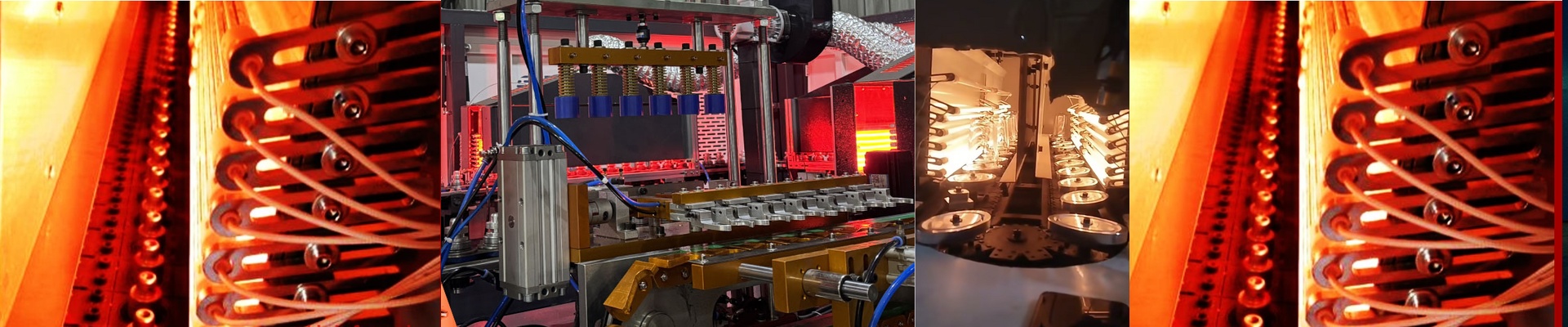
Switching power on and off that rapidly is brutal on equipment. Most lamp ends would just give up. To fix that, we used reinforced quartz seals. They act like a shock absorber, stopping the glass from cracking while it expands and contracts over and over again. These lamps are built to take a beating in a loud, messy industrial kitchen. One quick tip, though. Because these things pack so much heat into a small space, you’ve got to watch your airflow. If your oven’s ventilation is a bit lazy, the heat can build up around the sockets and kill the lamp early. Just double-check your fans to keep things cool.
Getting it Running
The best part? These are basically drop-in replacements for most industrial bread ovens. You don’t need to rebuild your whole line. We spent a lot of time making sure the electrical connections are rock solid so you don’t get any annoying arcing during those quick power bursts. Just hook it up to a stable PID controller, and you can dial in the exact temperature your recipe calls for. Simple as that.