Why Your Pizza Oven Needs to React Faster
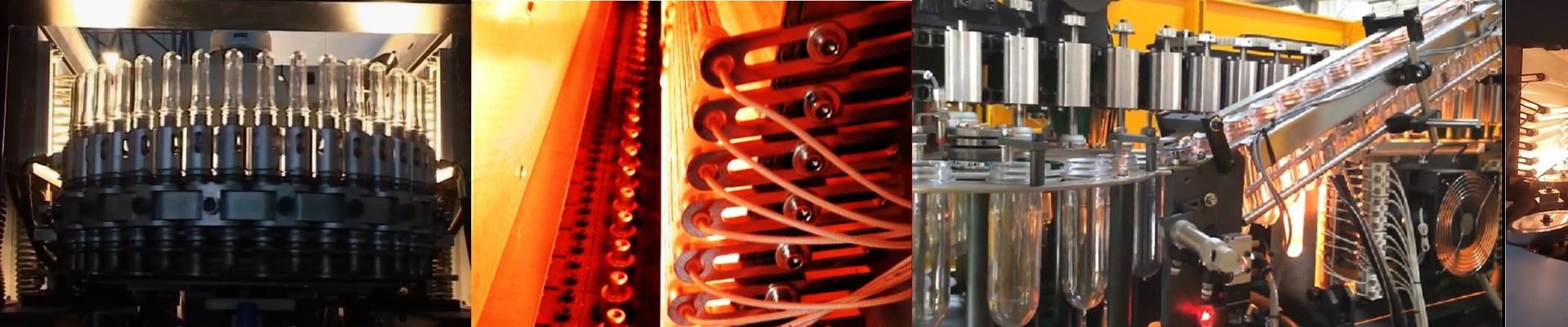
If you’ve ever worked a Friday night rush in a commercial kitchen, you know the feeling. You’re slammed. The tickets are piling up. And your oven? It’s just not keeping up. Most ovens use standard heating elements that have way too much “thermal mass.” In plain English: they’re slow. They take forever to get hot and even longer to cool down. When you’re trying to push out dozens of pies an hour, that lag is a killer. That’s why we use shortwave infrared quartz tubes. They basically kill that inertia.
The Secret to the Speed
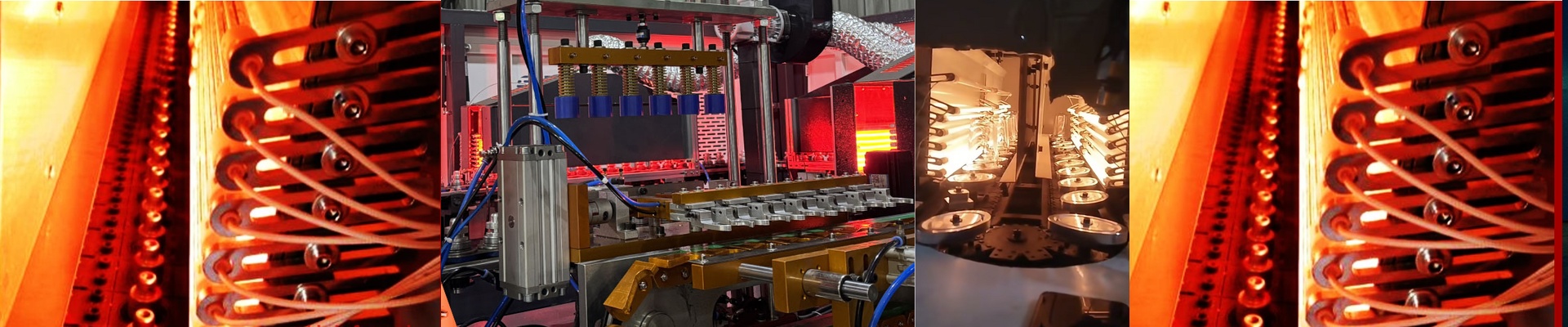
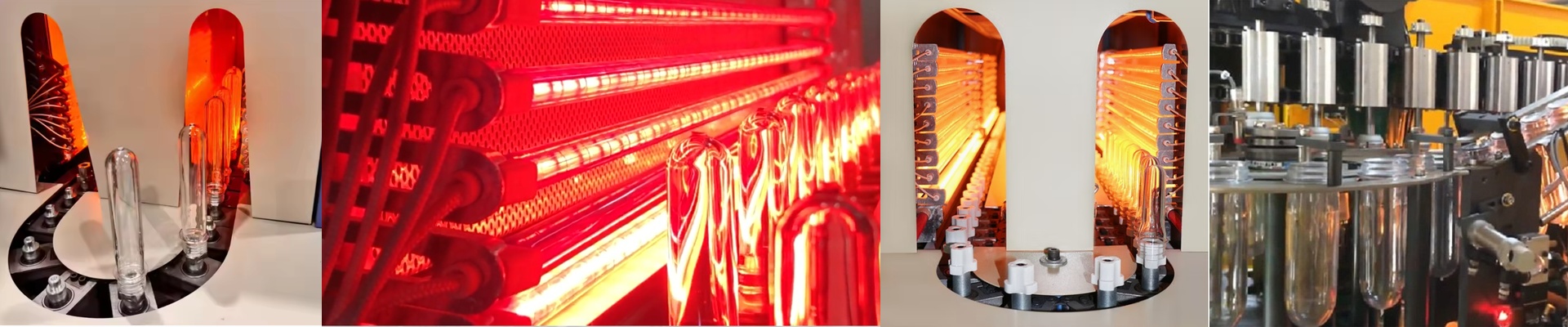
Most ovens just heat up the air and hope that heat eventually finds your pizza. We do things differently. Our quartz tubes send electromagnetic radiation straight into the dough. We call this “second-level response.” The moment the power hits the filament, the heat starts moving. There’s no waiting around for a heavy metal sheath to warm up. It lets you tighten up your rhythm and get more pizzas out the door without breaking a sweat.
The Nitty-Gritty on Quartz
We use high-purity quartz for these tubes because it lets the IR radiation pass through without getting trapped. The quartz protects the tungsten filament inside while making sure the heat actually hits the food. To keep that heat from leaking out, we usually pair them with preservation shields. It keeps the oven cavity stable so you aren’t fighting temperature drops every time you open the door. One heads-up, though: watch your power density. A high-wattage tube packs a massive punch, but it puts a lot of stress on your connectors. If you don’t use proper thermal isolation, you’re going to fry your sockets. Trust me on this one.
The Trade-off
Here’s the catch. When you get this kind of speed, you lose a bit of that “safety net.” Because these tubes react instantly, your PID controllers have to be spot on. If your sensors are in the wrong place, you’ll overshoot your temp. You’ll end up with burnt toppings and a raw crust before you even realize what happened. You’re basically trading the slow, forgiving nature of an old-school oven for a precision tool. It’s faster, sure, but it asks you to be a bit more precise.