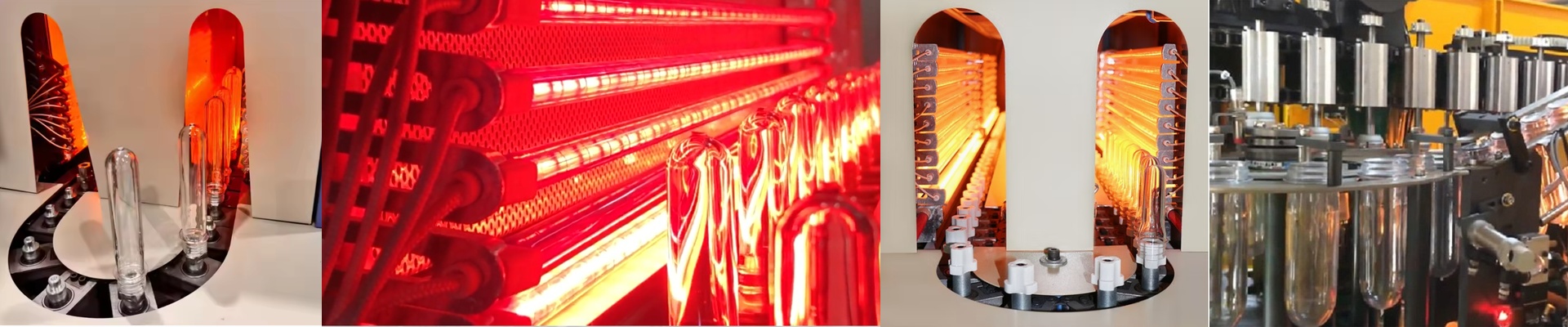
Getting the Crust Right: Why we use 250W Infrared Tubes
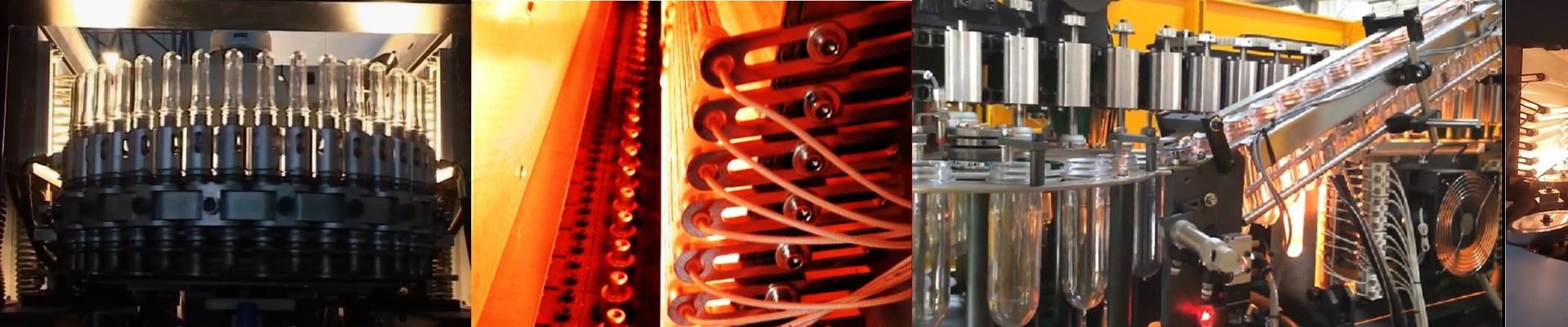
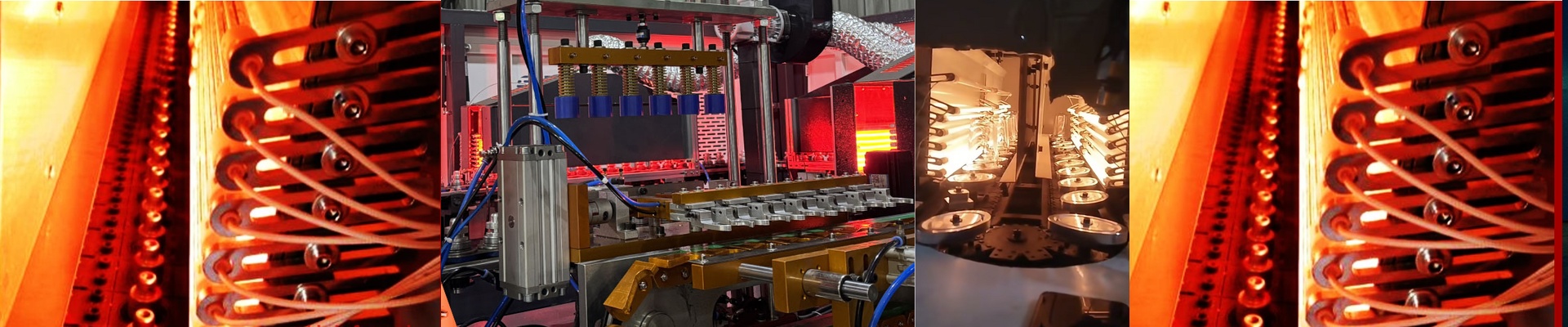
Ever had a pizza that looked perfect on the outside but felt like raw dough in the middle? It’s a nightmare. Most ovens rely on hot air to do the work, but air is slow. It lingers. That’s why we use 250W infrared quartz tubes. Instead of waiting for the air to warm up, these tubes send energy straight into the dough. It’s like the difference between standing near a campfire and feeling the sun on your skin. The heat doesn’t just sit on the surface. It sinks in, shaking up the water and fats inside the dough to cook it from the inside out. This is how you get that gorgeous, browned crust—the kind that cracks just right—without turning the top into a charcoal briquette. We stuck with 250W because it’s the sweet spot. Go too high in a small oven, and you’ll burn the cheese before the center is even warm. This wattage keeps things balanced. As for the tubes themselves, they’re made of high-purity quartz. We use this because it can handle the “thermal shock” of jumping from cold to scorching hot without snapping. Inside, the heating element is coiled up tight to push out as much heat as possible. Just a heads-up: make sure your voltage matches your controller. If it doesn’t, you’ll fry the filament pretty quickly. The best part? They’re easy to swap into most commercial ovens. And they heat up almost instantly. You don’t have to spend an hour waiting for the whole oven chassis to “soak” in heat before you can slide in your first pie. But there is a catch. Quartz is fragile. If you let flour or grease build up on the glass, you get hotspots. Those hotspots are killers—they’ll make the tube fail way sooner than it should. Plus, because these things put out heat so fast, you’ve got to make sure your ventilation is on point so your electronics don’t cook themselves. Keep them clean, keep the air moving, and you’ll have a perfect crust every single time.