Stop Waiting for Your Oven to Warm Up
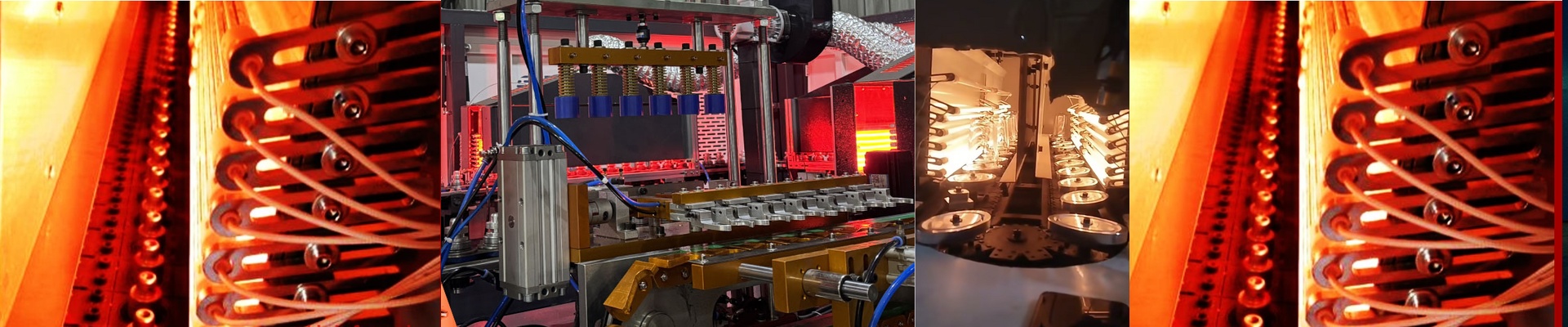
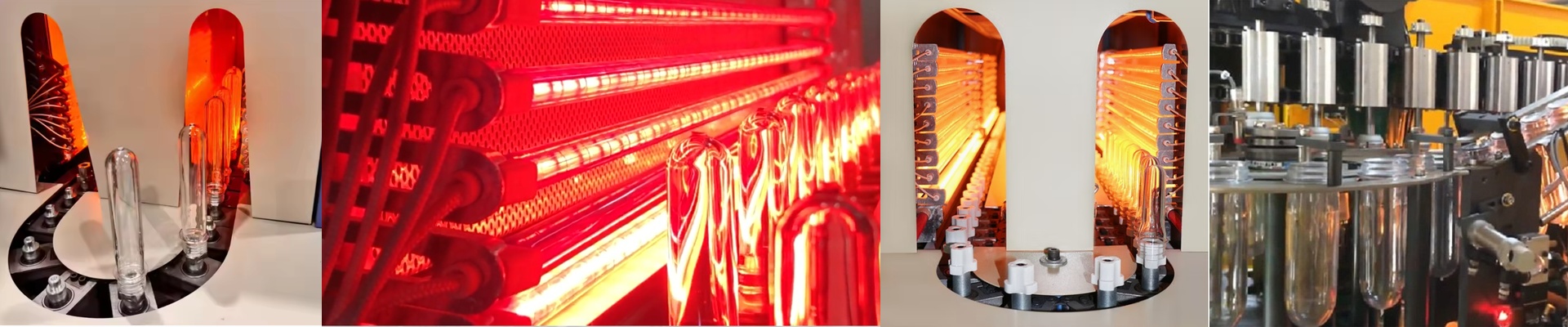
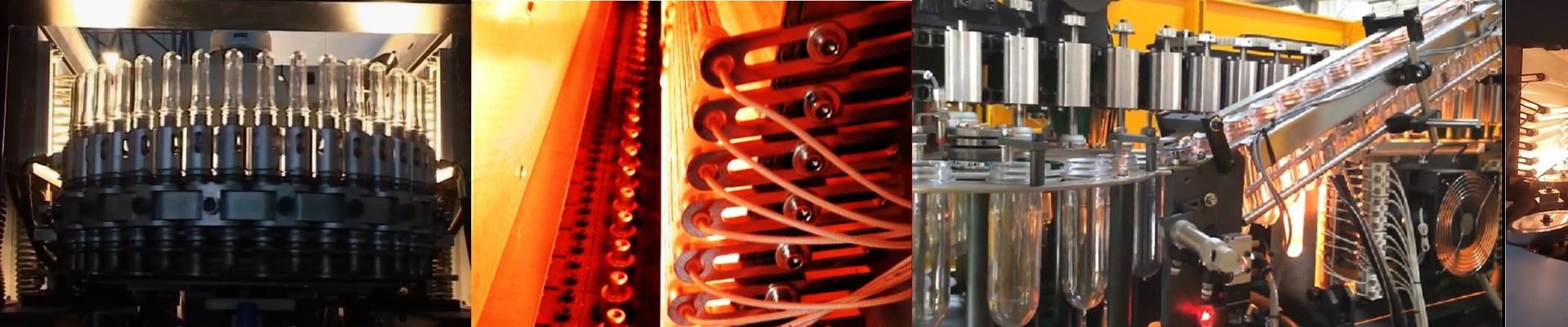
Let’s be honest: staring at an oven waiting for it to hit the right temperature is a total waste of time. It kills your momentum and burns through electricity for no good reason. That’s why we use Twin Quartz Infrared (IR) heaters. Instead of trying to heat up all the air in the oven first—which takes forever—these lamps send energy straight into the food. It’s a direct hit.
How the “Instant-On” Magic Works
Here is the secret: we use two quartz envelopes with a halogen-filled tungsten filament inside. Because of that setup, we can cram a lot of power into a small space without the filament just giving up and burning out. The second you flip the switch, it’s hot. No waiting. No lagging. Just immediate heat. And because they react so fast, we can use PWM (pulse-width modulation) control. In plain English? The heater only pulls power the exact moment the sensor feels a temperature drop. You aren’t paying to heat an empty box; you’re only using energy when you actually need it.
The Hardware Side of Things
Commercial kitchens are brutal. Between the heat and the grime, gear takes a beating. We build these tubes with quartz glass because it doesn’t crack under thermal shock and lets that shortwave IR light pass right through. We also make sure they fit your existing power rails, regardless of your voltage. Plus, we use R7s snap-in connectors. I love these because they make maintenance a breeze. You don’t have to tear apart the chassis or mess with the wiring. You just pop the old lamp out, snap a new one in, and get back to baking.
A Few Things to Keep in Mind
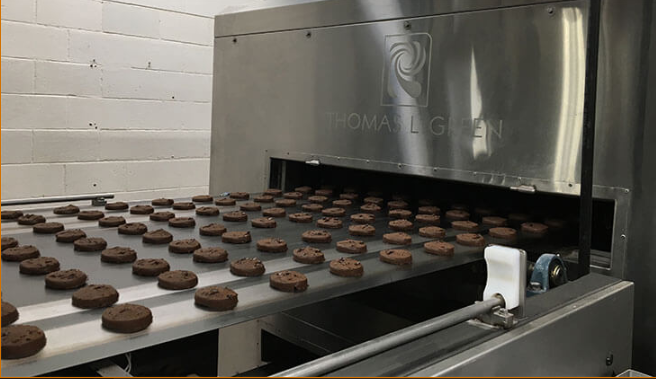
Now, this much power comes with a learning curve. Since the heat is so intense, you have to be careful. If the food is too close to the element, you’ll scorch the outside before the middle is even warm. You’ll need to spend a little time tweaking your conveyor speed and the distance of the lamps to get that perfect crust. One last tip: check your wiring. Halogen lamps have a bit of an “inrush” of current when they first kick on, so just make sure your electrical setup can handle that initial jump.