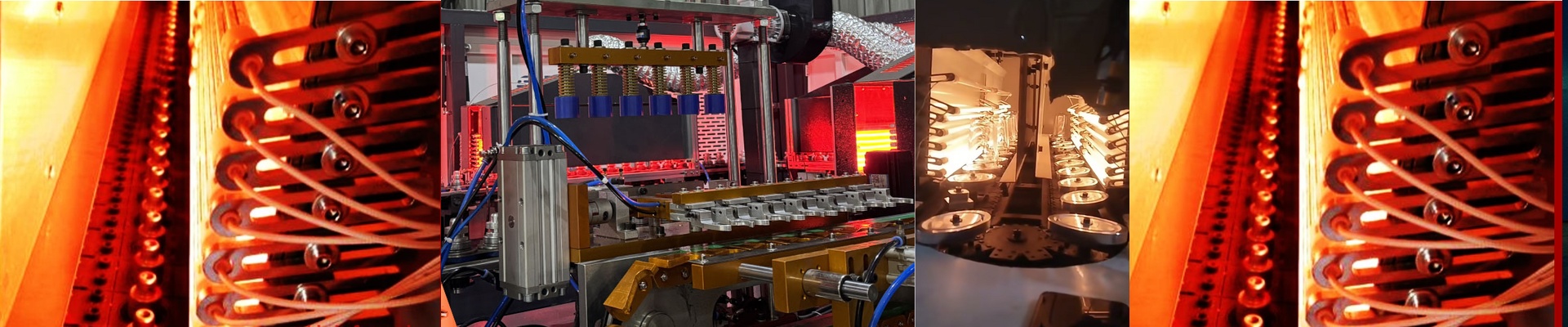
Why we torture-test our bathroom infrared lamps
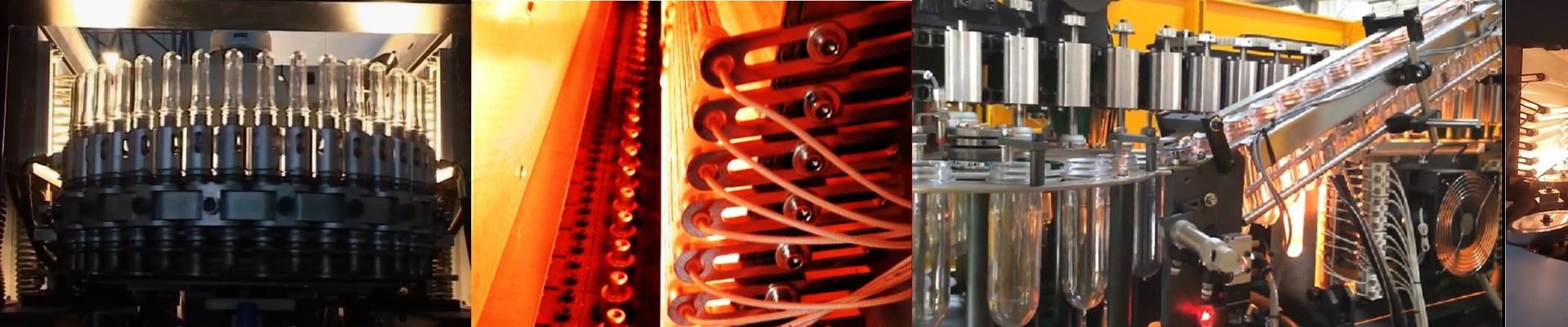
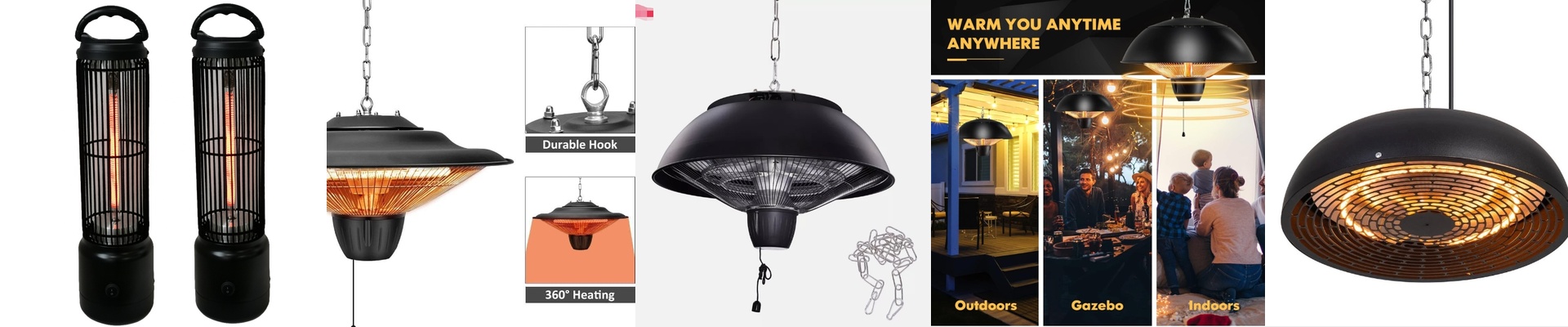
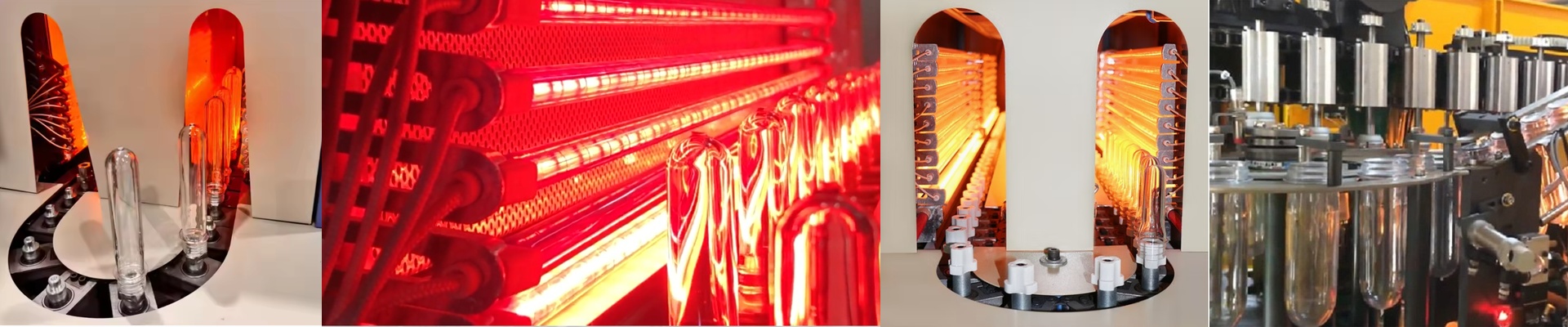
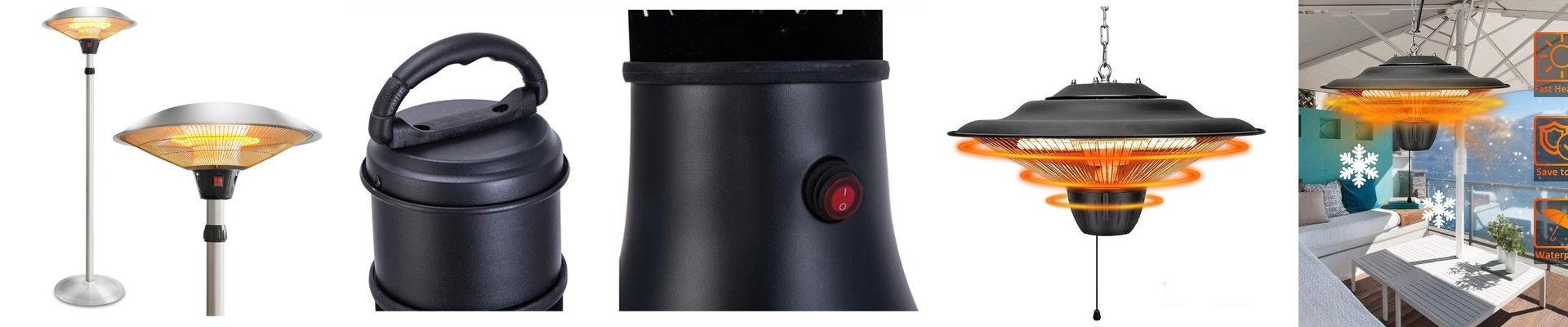
Let’s be honest: bathrooms are a nightmare for electronics. You’ve got wild temperature swings and thick steam that basically tries to eat through every seal and filament in the room. We don’t just box up these lamps and hope for the best. Instead, we put every single batch through a “damp-heat” aging cycle. Basically, we try to break them before they ever reach your customer. The battle against moisture Most of these heaters rely on shortwave infrared quartz lamps. Quartz is fantastic for moving heat, but there’s a catch. The spot where the glass meets the electrode? That’s the weak link. If even a tiny bit of moisture sneaks into that halogen gas fill, the filament is toast—usually in a matter of hours. To stop that from happening, we shove the lamps into high-humidity chambers to simulate years of steamy showers. We’re looking for any sign of fogging or a popped filament. If the seal isn’t perfect, the lamp is out. Heat, cold, and the “shock” factor Then there’s the thermal stress. These units pack a lot of heat into a small space. Imagine a lamp going from ice-cold to 1000°C while sitting in a damp room. Everything expands and contracts at different speeds. That “thermal shock” is what usually cracks the glass or rattles the contacts loose. So, we run them through hundreds of on-off cycles in wet conditions. It’s the only way to make sure the electrodes don’t rust and the wattage stays where it should be. Finding the sweet spot Here’s the tricky part: you can’t just make the seal “extra tight.” If it’s too rigid, the glass will actually shatter the moment it heats up. It’s a balancing act. We spend a lot of time picking the exact grade of quartz and the right seal mix for the specific size of the bathroom unit. The goal is simple: a lamp that doesn’t pop the first time someone takes a hot shower. We’ll give you the MTBF (mean time between failures) data because, at the end of the day, that’s what keeps your warranty costs down. If a lamp can’t survive our torture chamber, it has no business being in a customer’s home.