Why your old bathroom heat lamps are failing (and what actually works)
Let’s be honest: there’s nothing worse than stepping out of a hot shower into a bathroom that feels like a walk-in freezer. For years, we’ve relied on those old-school heat lamps—basically just fancy light bulbs that get hot. But if you’ve ever had one burn out or flicker just when you needed it, you know the problem. They aren’t really built for the steam and humidity of a bathroom. They just aren’t. That’s why more people are switching to high-IP infrared heaters. They don’t just survive the moisture; they actually thrive in it.
The “Instant Warmth” Secret
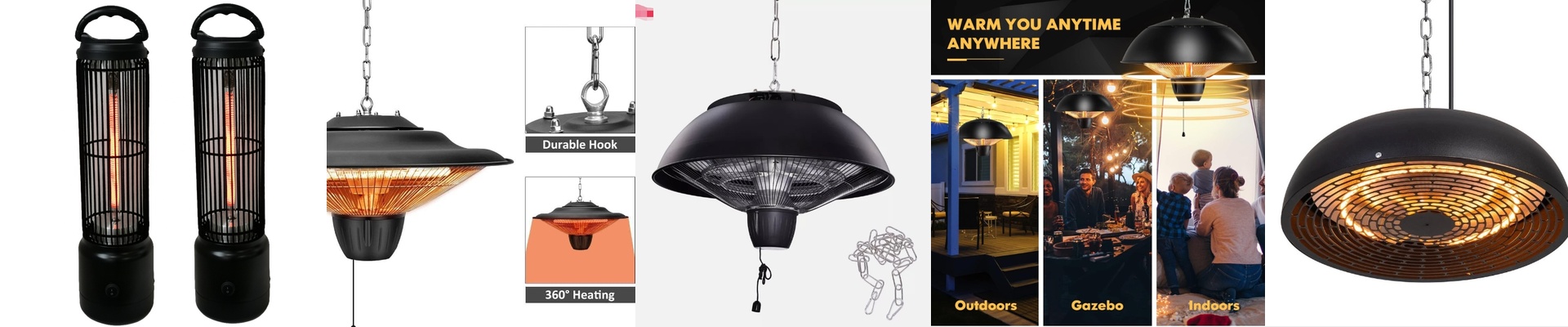
Here is the thing about traditional lamps: they try to heat the air. The problem? Air moves. It slips through the vents, under the door, and disappears. You’re left waiting for the room to warm up while you’re shivering. Infrared is different. Instead of fighting the air, it sends heat directly to your skin and the floor. It’s like stepping into a beam of sunlight on a crisp autumn day. You feel it the second you flip the switch. No waiting. No drafts. Just immediate warmth.
Dealing with the Steam
Steam is a nightmare for electronics. A regular lamp in a shower zone is basically a disaster waiting to happen. Real infrared heaters are built like tanks. They use sealed housings with high “IP ratings”—which is just a fancy way of saying they keep the water out. We use tempered glass, too. This is huge because if a drop of cold water hits a scorching hot surface, cheap glass cracks. Tempered glass doesn’t. You can’t just put a plastic cover over a bulb and call it “waterproof.” If steam gets into the electrical terminals, the unit will short out or burn out way too fast. A properly sealed heater stops that from happening.
A Few Things to Keep in Mind
If you’re thinking about swapping your old lights for these, there are a couple of practical bits to figure out. First, these heaters pull more power than a simple light bulb. You’ll want to check your wiring and circuit breakers. If the wiring is too thin or the breaker is too weak, you’ll be tripping the power every time you want to get warm. Not a great way to start your morning. Also, they’re a bit bigger. You can’t just pop them into a tiny light socket. If you’re renovating, make sure your ceiling cutouts are sized right from the start. It’s a bit more work upfront, but once they’re in? They last way longer and keep you much warmer than those old halogen strips ever could.