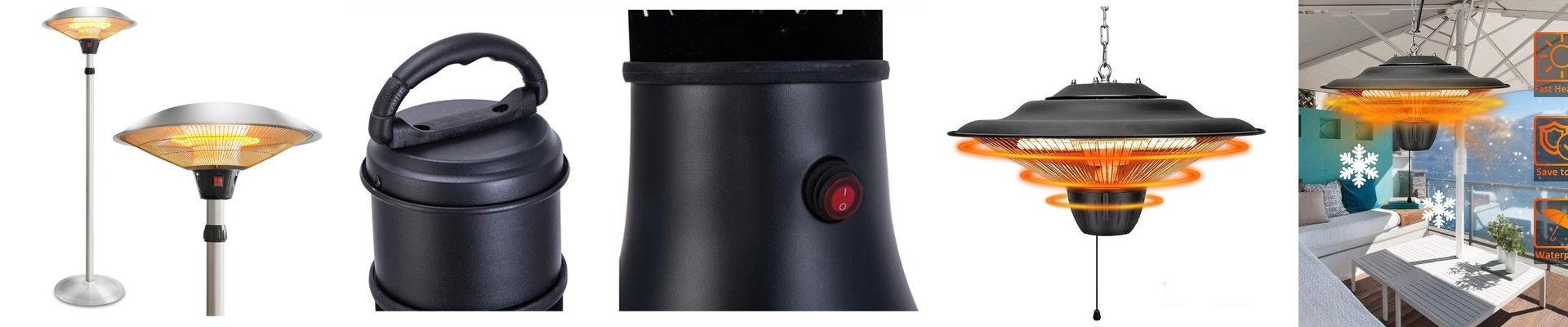

Keeping Your IR Heaters Safe in Steamy Bathrooms
Putting infrared heating lamps in a bathroom is basically a battle against steam. It’s a simple problem: water loves electricity. If your insulation slips up for even a second, you’re looking at a short circuit or a ground fault. No one wants that. To get it right, you have to obsess over the seals and where the wires actually meet the hardware. Here is the thing about steam—it’s sneaky. It doesn’t just sit there; it creeps into standard housings through tiny gaps. Once that moisture touches the live terminals, it creates a bridge straight to the metal frame. A cheap plastic cover won’t cut it. We use IP-rated enclosures and connectors that are sealed tight. I usually lean on silicone gaskets and epoxy potting at the entry points. It basically creates a waterproof fortress for the wiring. Then there’s the materials. Since these lamps get incredibly hot, you can’t just use any insulator. We go with ceramics or reinforced PTFE for the supports. This keeps the heating element from jumping (or “arcing”) to the metal frame. And the wires? They have to handle a double whammy: extreme heat and heavy humidity. I always use silicone-jacketed cables. They don’t get brittle or crack when the temperature swings from cold to scorching, and they don’t care about water vapor. But there’s a catch. If you seal the unit too tight to keep the water out, you trap all that heat inside. It’s like putting a winter coat on a heater. You’ll end up cooking your own wiring or burning out the lamp way too soon. It’s a balancing act. You need a setup that lets the heat breathe but keeps the steam from drifting back toward the electrics. One last bit of advice: always wire these through a GFCI or RCD. Even the best insulation can fail if something physically breaks. A fast-acting breaker is the only way to make sure a small leak doesn’t become a big problem.