Stop Fighting Your Equipment: A Better Way to Build Waterproof Heaters
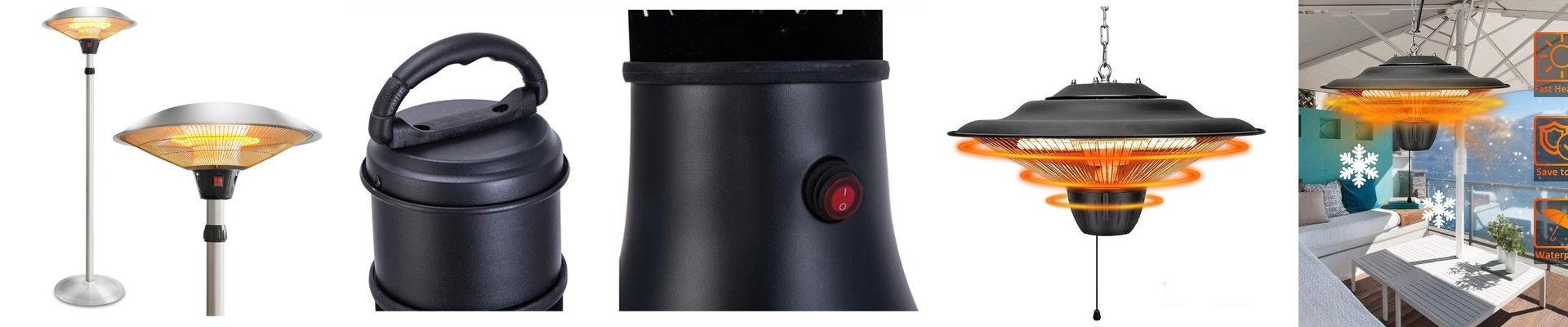
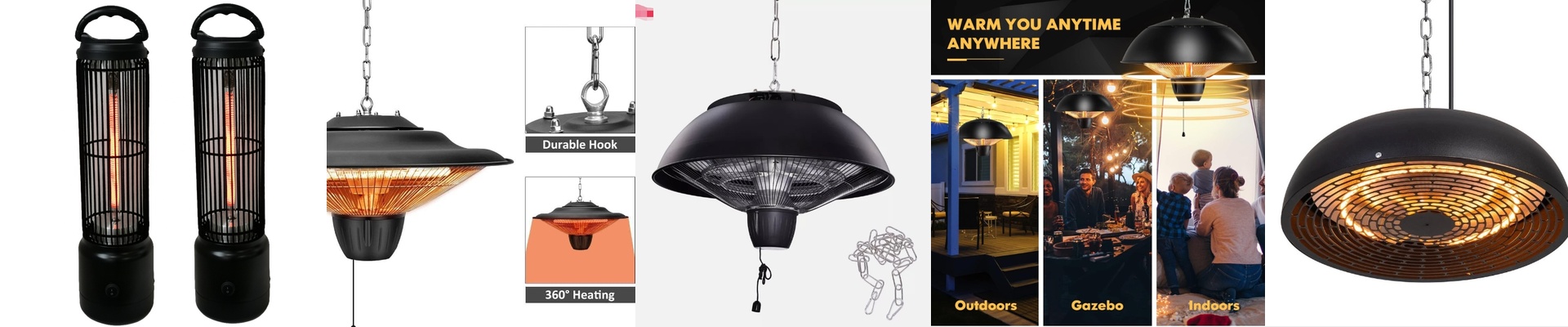
We build our waterproof table heaters to IP55 standards because, let’s be honest, dust and water jets love to kill electronics. But here is the problem: usually, a “sealed” box is a total nightmare for the person who has to fix it five years from now. If a heating element burns out in a standard welded unit, you’re stuck. You either spend hours tearing the whole thing apart or you just throw the entire unit in the scrap heap. It sucks.
The “Plug-and-Play” Fix
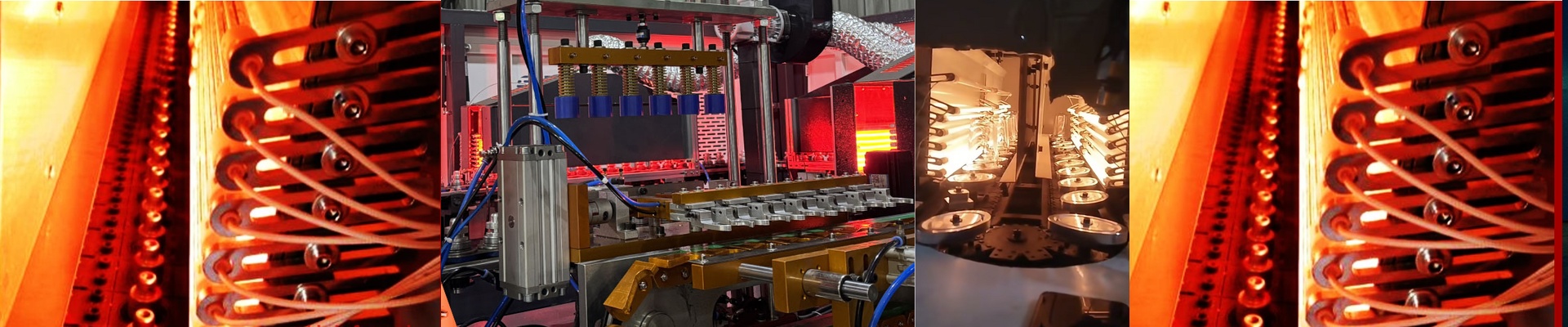
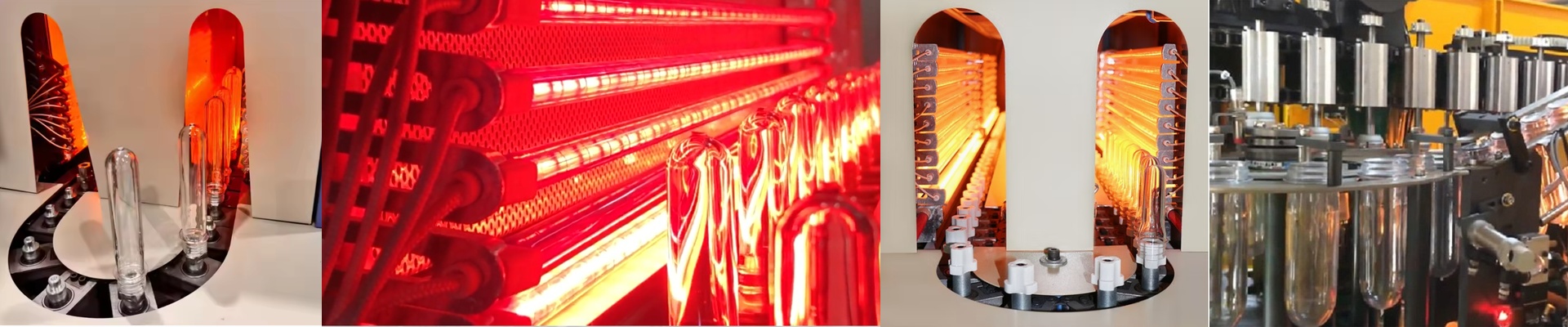
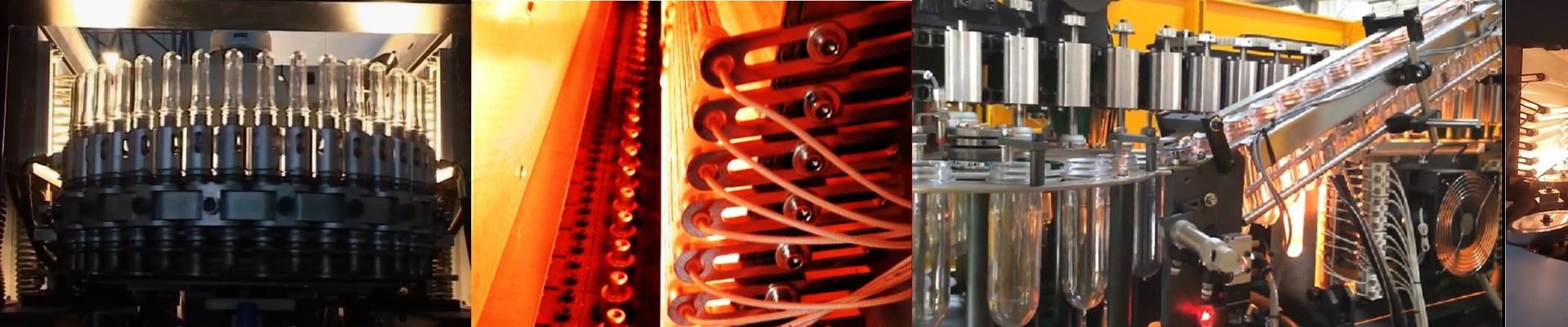
We got tired of that, so we changed the design. Instead of hard-wiring everything into the chassis, we went with modular infrared elements. Think of it like a lightbulb. When a tube finally gives up the ghost, you don’t have to mess with the control panel or start rewiring. You just pull out the dead module and drop in a fresh one. It turns a half-day headache into a two-minute job.
Keeping the Water Out (Without Locking You Out)
Getting an IP55 rating usually means tight gaskets and fasteners that are a pain to move. We used reinforced seals that actually hold up, even after they’ve been heated and cooled a thousand times. You can pop the maintenance hatch, swap your tube, and seal it back up. It stays waterproof, and you don’t feel like you’re fighting the machine just to get it working again.
The Trade-offs
High-density heat is great, but it’s tough on the housing. To keep things from shaking apart in a loud industrial shop, we used heavy-gauge mounting brackets. Yeah, they make the footprint a little bigger. But they stop the elements from rattling loose, which is a trade-off I’ll take any day. Just keep a few spare modules on the shelf. When one goes, you swap it and get the line moving again. No soldering. No custom fab work. Just a quick swap and you’re back in business.