Keeping Your Pergola Heaters Alive in the Rain
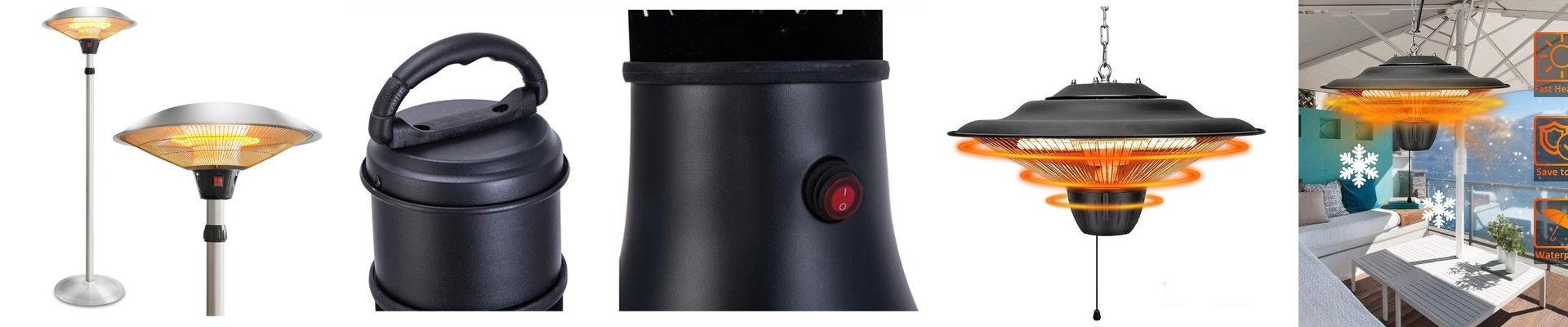
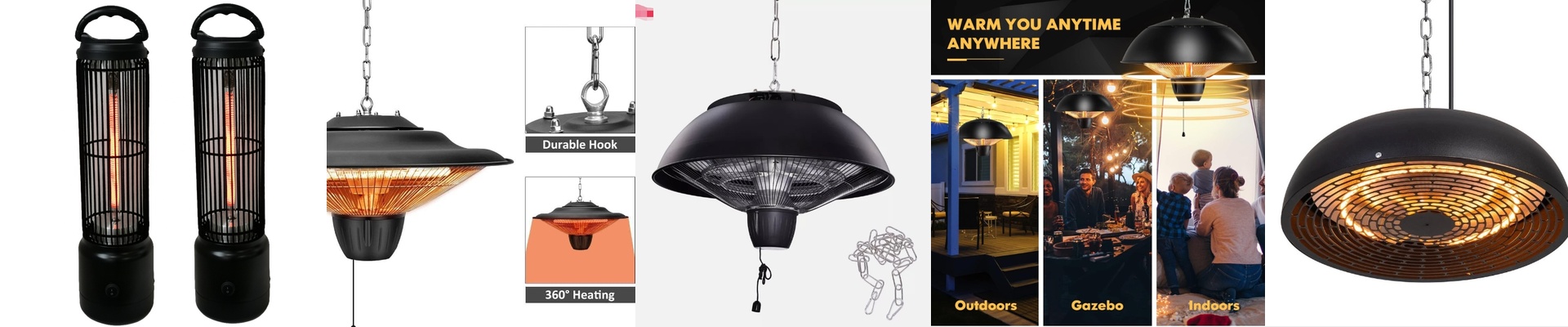
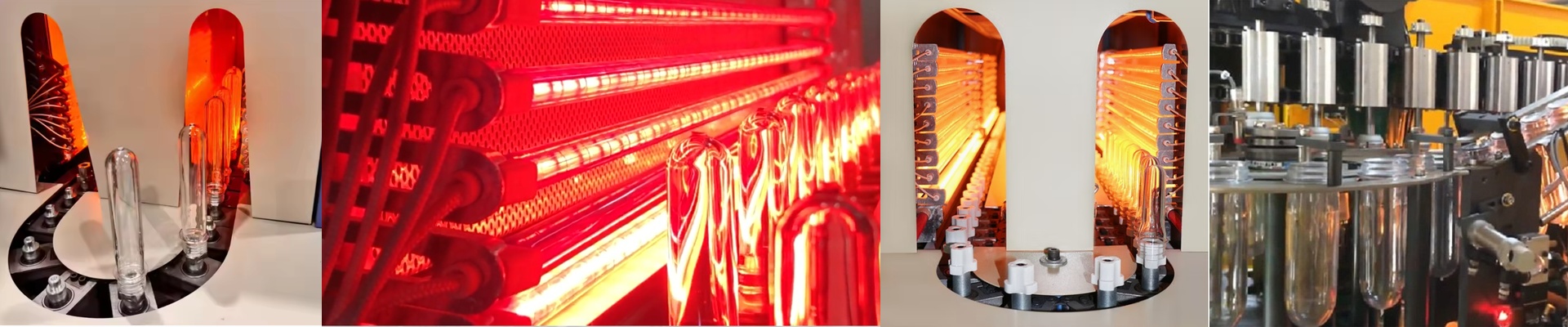
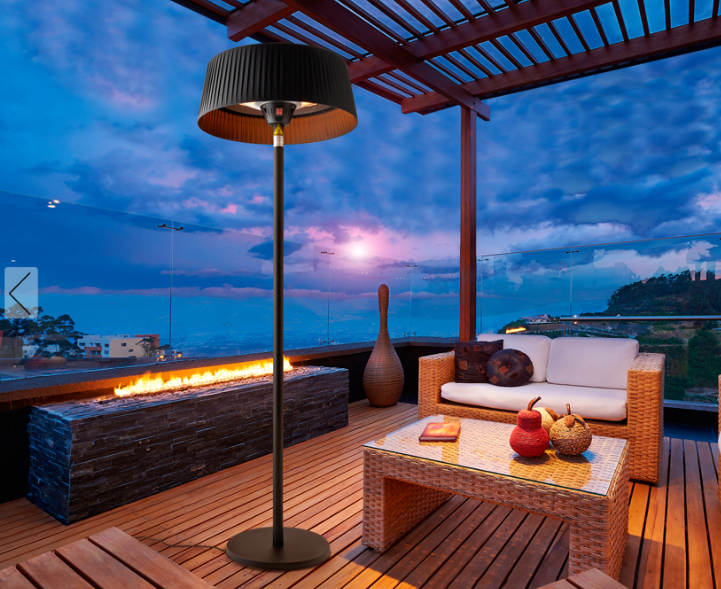
If you’re putting infrared heaters in a pergola, you’ve basically got two enemies: rain and condensation. If you don’t handle them right, your expensive gear becomes a very fancy, very broken piece of scrap metal. Here is how we actually deal with that. Stopping the “Pop” Ever see a hot glass bottle shatter when you pour cold water on it? That’s exactly what happens to a quartz heating tube when a raindrop hits it. It’s called thermal shock, and it’s a fast track to a cracked tube or a dead filament. To stop that, we wrap everything in splash-proof housings. We use heavy-duty gaskets and sealed cable entries to make sure water stays on the outside and away from the wiring. It means you can deal with a bit of mist or a light drizzle without worrying about a short circuit. The Fog Problem Then there’s the fog. You know that film that builds up on a bathroom mirror? The same thing happens to a heater’s lens when warm, damp air hits a cool surface. The problem is, that film blocks the heat. You’re paying for the power, but you aren’t feeling the warmth. We fixed this by tweaking how air flows around the emitter. By keeping the casing at just the right temperature, the moisture never gets a chance to settle on the lens. The path stays clear, and the heat actually hits you. A Few Real-World Warnings Now, there’s a trade-off. These protective shells make the units heavier and a bit bulkier. If you’re trying to squeeze these into a tight, recessed spot,double-check your measurements. They need room to breathe. Also, because those seals are so good at keeping water out, they trap a bit of heat inside the chassis. Make sure your mounting brackets are beefy enough to hold the extra weight of the weatherproof casing. You don’t want your heater sagging over your head after a few months. One last thing: we build these to last, but they aren’t submarines. Make sure your pergola ceiling drains properly so water isn’t just pooling on top of the housing.