Speeding Up Your Oven with Infrared Heat
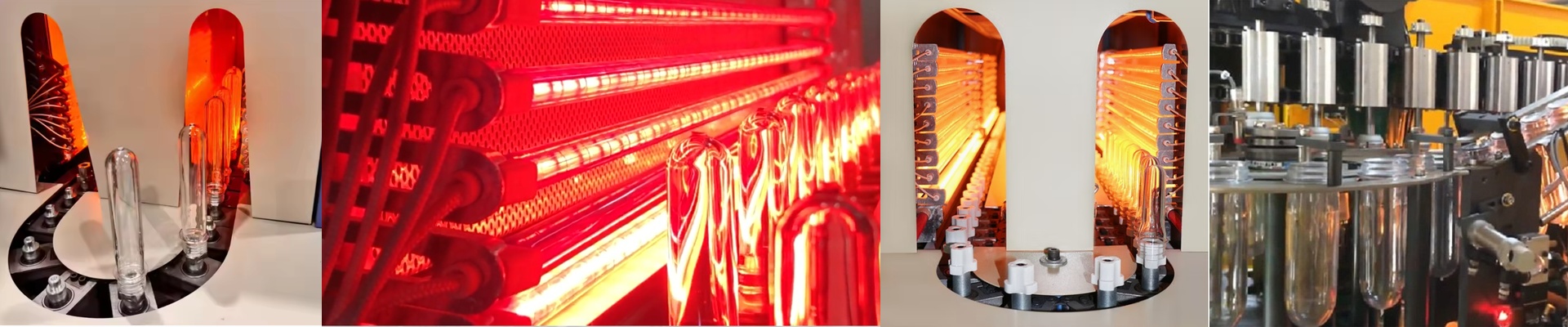
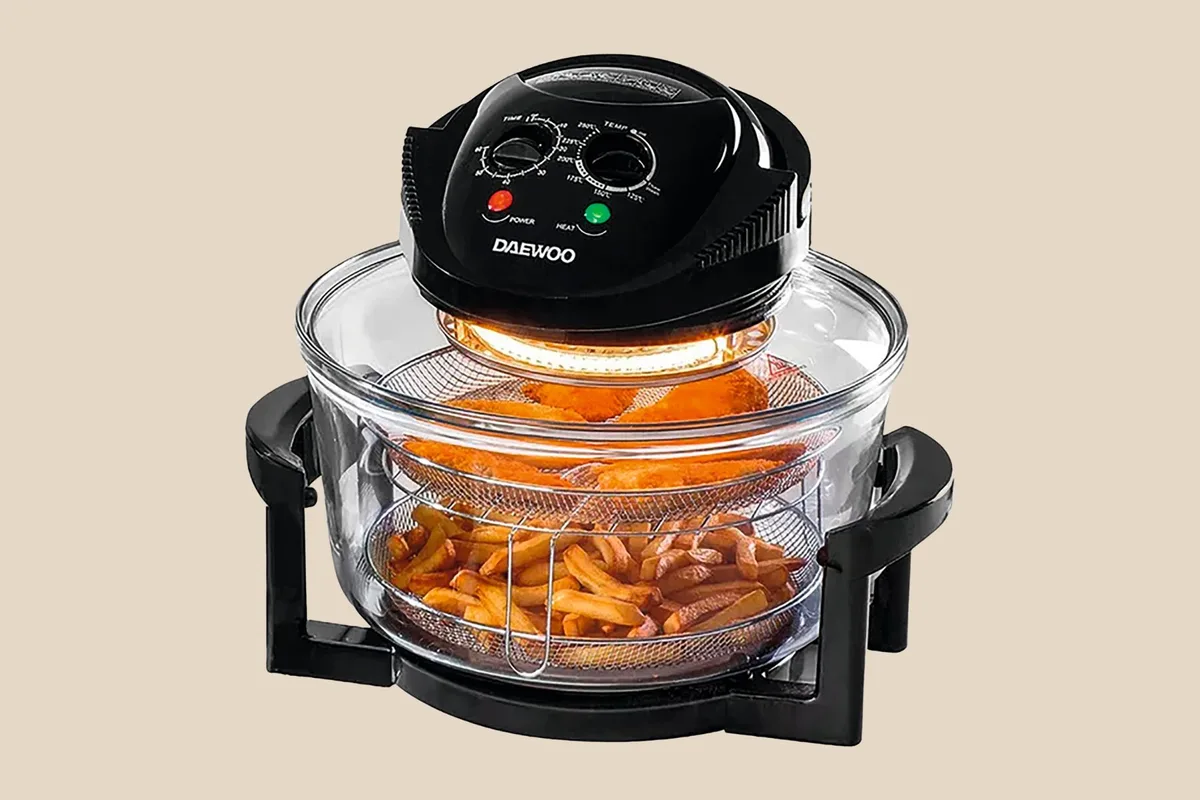
Let’s be honest: waiting for a convection oven to preheat is a drag. And those long gaps where the temperature dips between batches? They kill your momentum. We found a way around this by adding shortwave infrared (IR) bulbs into the mix. Instead of just blowing hot air around and hoping for the best, these bulbs beam energy straight into the food. It’s a completely different feel.
Why it actually works
We use quartz-halogen tech because it hits top temperature almost instantly. Because it’s shortwave energy, the heat sinks into the dough or the crust way faster than a standard heating element ever could. It stops that “snail-pace” preheat. Now, instead of waiting for the entire oven cavity to soak in heat, you just get a sharp, precise spike of energy exactly when you need it. Your production rhythm just feels… tighter.
The nitty-gritty on the hardware
These bulbs pull a lot of wattage to get that heat density right. We stick with R7s or SK15 connectors because they don’t wiggle loose when the bakery gets loud and shaky. We also use quartz envelopes; they let the heat through and don’t crack when things get hot and cold quickly. But here is a heads-up: watch your voltage. If you’re running wires over a long distance, use a heavier gauge. If you don’t, you’ll see flickering or, worse, you’ll burn the bulbs out early. Also, these things runhot. If you don’t vent the housing, you’re basically frying your own control boards.
Making it work in the real world
The best way to do this is to use the bulbs as a “booster.” You keep your base temperature lower (which saves you money on power) and then crank the IR bulbs only when it’s time for that final browning. Just be careful. Shortwave IR is aggressive. If the bulbs are too close to the bread, you’ll end up with a charred crust and a raw center. It takes a bit of tinkering with the distance and the timer to get that perfect balance between a crisp shell and a fully cooked middle.