Why Bakeries Are Obsessing Over Second-Response Heat
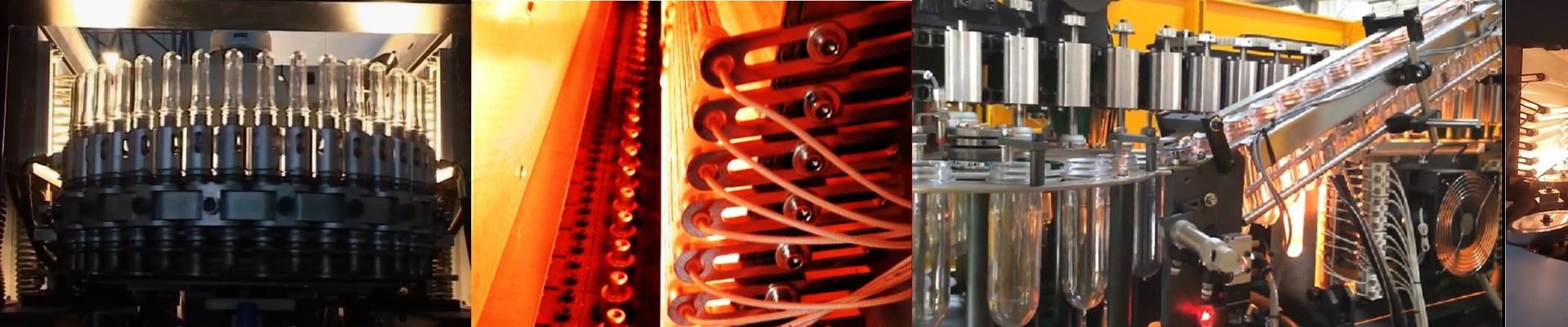
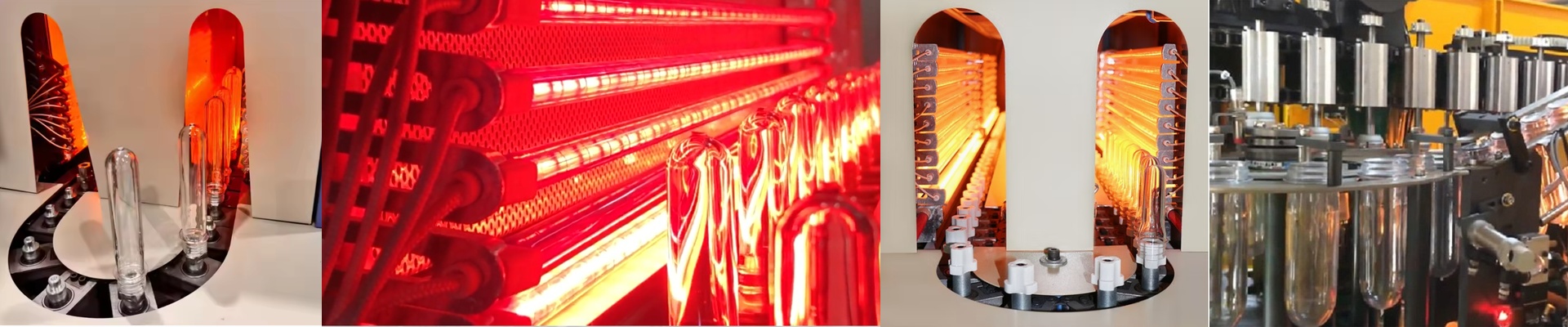
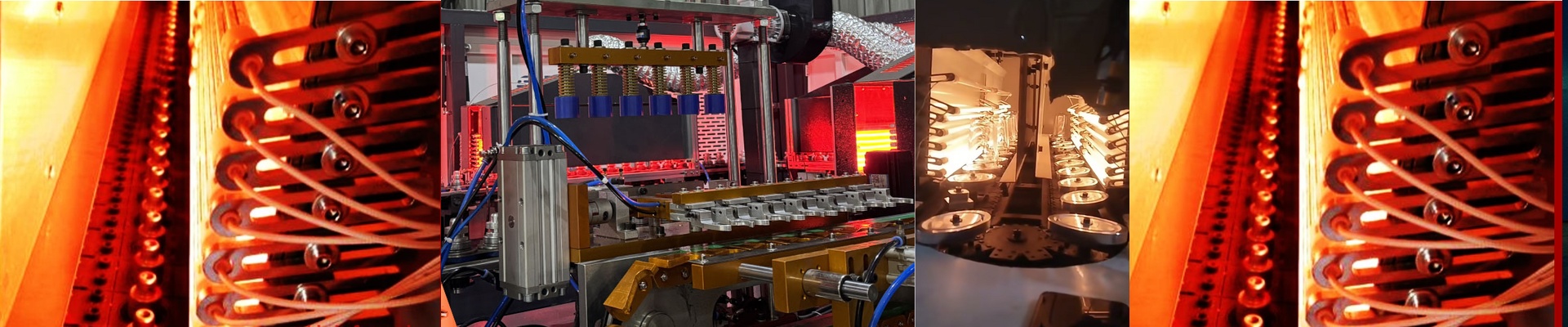
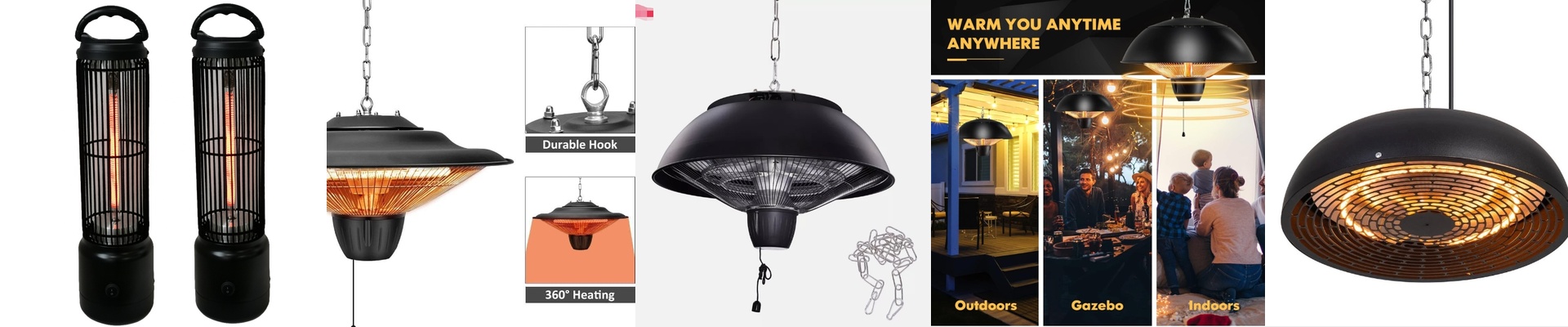
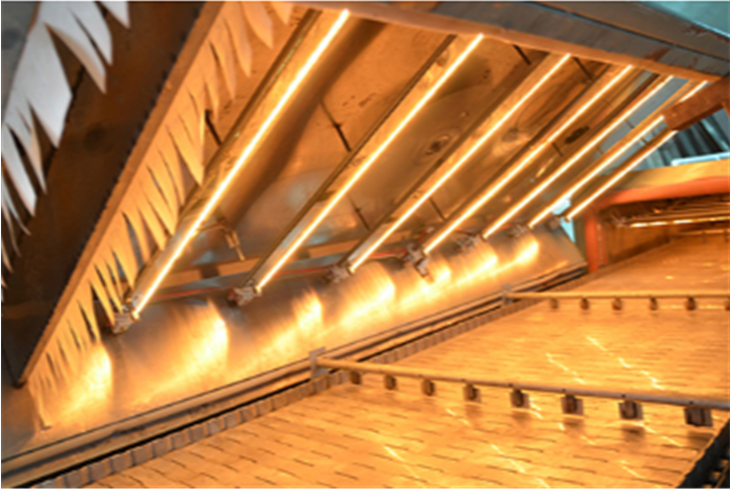
Ever watch a bakery scramble when the oven just can’t keep up? It’s a real headache. Standard heating elements choke when you need them to flip on and off fast, and that means uneven bakes and wasted time. So we built something different: stainless steel infrared bulbs engineered for that exact pressure point. They bring “second-response” heat—meaning they hit target temperature almost instantly. Preheat times shrink, and the oven can hold a steady temperature even when production is cranking.
The Power Behind the Performance
Here’s the heart of it: these bulbs run high-wattage, usually around 400V, to pack enough heat density to cook quickly. And the tube is short enough to slip right into existing ovens without a full redesign. Space is tight in most bake shops, and this footprint respects that. But more power comes with a reality check. The control system has to be tough enough to handle the current, and the oven’s cooling has to be up to the job so ambient heat doesn’t creep up and cause trouble.
Built to Survive the Bake Shop
The stainless steel housing isn’t just for looks. It keeps grease, flour dust, and cleaning sprays away from the internal element, so performance stays solid over time. Inside, the quartz tube can handle rapid heating and cooling without cracking—a must when the oven cycles constantly. And the R7s connector gives you a secure, high-temperature electrical connection. Bottom line: it’s a true drop-in. Wire it up, and it just gets on with the work.
What It Feels Like on the Line
For bakery engineers, this means the oven recovers fast and bakes consistently. The heat hits the product directly, so you’re not wasting energy heating air that never touches the bread. The payoff shows up where it matters: quicker production cycles, crusts that come out even, and energy use that drops per batch. It keeps the line moving without cutting corners on quality.
The Honest Truth About What It Takes
A 400V, 2500W tube throws down serious heat, so your machine’s cooling has to be properly set up to manage the temperature in the space around it. The R7s connector is solid at high heat, but you’ve got to align it right during install to avoid hot spots. And yes, the stainless steel shell adds weight and thermal mass—something to keep in mind for the oven door mechanism. This isn’t a one-size-fits-all miracle. It’s a precision tool for anyone who needs tighter control over oven temperature. When it’s dialed in, the line moves faster, and you spend less time waiting for the oven to catch up. That’s the real value of second-response infrared.