Stop Waiting on Your Oven: The Magic of Shortwave Halogen
Most pizza ovens work by heating up the air around the food. It’s fine, but when you’re slammed during a Friday night rush, that air becomes a bottleneck. It’s just too slow. We do things differently. Instead of fighting with the air, we use shortwave halogen infrared bulbs. Think of it like the sun hitting your skin on a hot day—the heat doesn’t wait for the air to warm up; it just hits you. By sending energy directly into the dough and toppings, we can take a bake cycle that usually takes five minutes and knock it down to90 seconds. That’s a massive difference when you’ve got a line out the door.
How it actually works
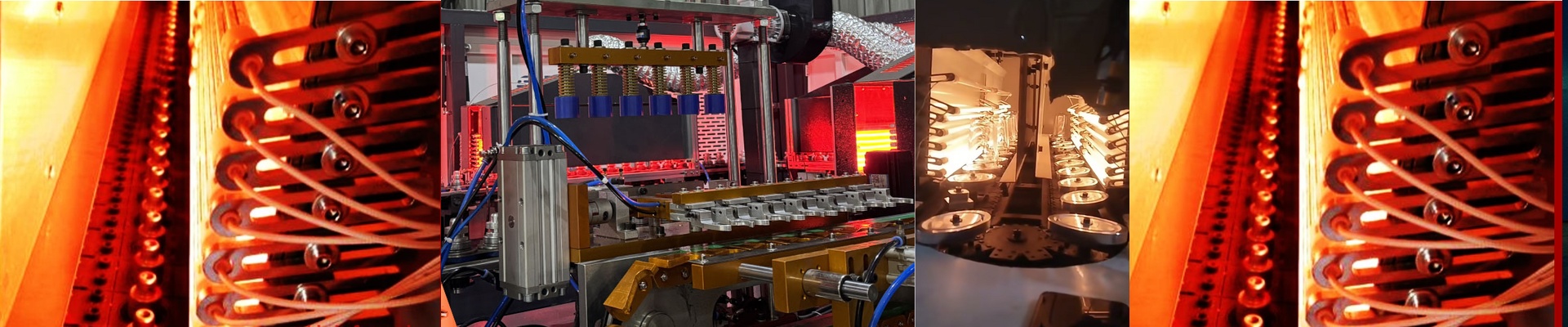
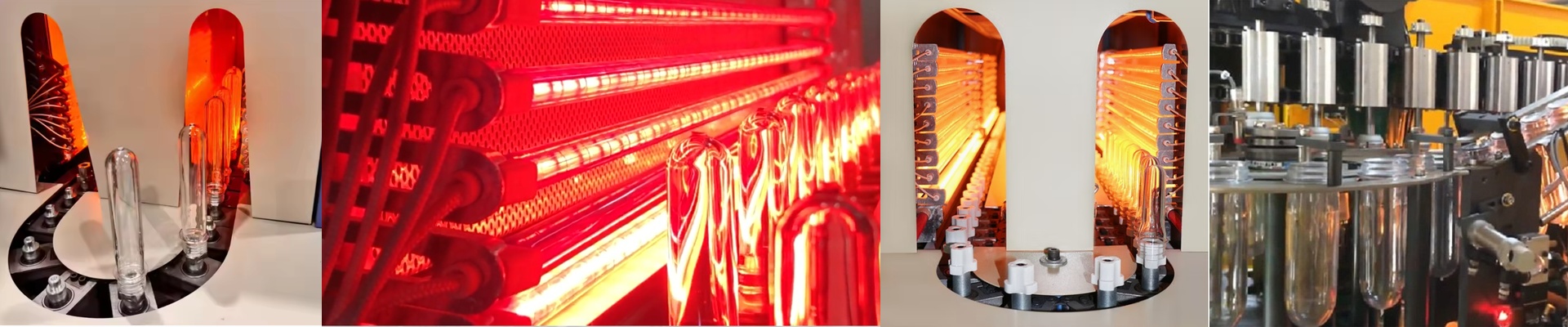
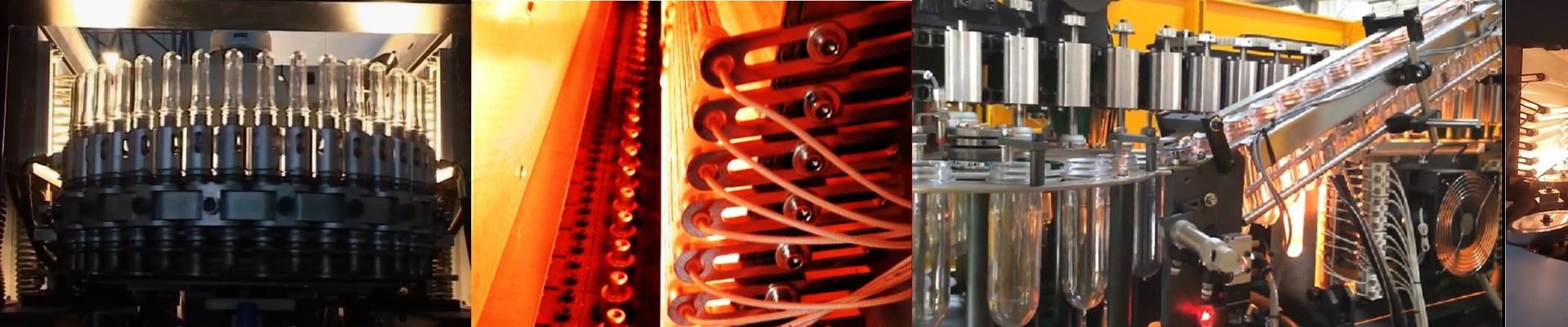
Inside those quartz tubes, a tungsten filament gets incredibly hot. We add halogen gas in there to keep the filament from wearing out too fast, which means your light stays steady and the bulbs last longer. The real secret is the “shortwave” part. Unlike the slow, lazy heat you get from a standard oven, shortwave energy punches right through the surface of the food. You get that perfect, charred crust and bubbly cheese almost instantly, without having to wait for the entire oven cavity to soak in the heat.
Getting the setup right
You can’t just throw these in and hope for the best. You need the right amount of power for the size of your conveyor. If the wattage isn’t dialed in perfectly for every inch of that belt, you’ll end up with a burnt crust and a raw center. It’s a delicate balance. On the bright side, we use R7s or similar snap-in connectors. If a bulb pops in the middle of a shift, your team can just click in a new one. No rewiring, no downtime, no headache.
The trade-offs
Now, speed comes with a catch. Because this heat is so intense, your timing has to be spot on. If you overshoot by even five seconds, you’re tossing a ruined pizza in the bin. There’s also the matter of the oven itself. While the pizza cooks in a flash, the metal frame of the oven is taking a beating from all that radiant energy. You’ve got to make sure your fans and ventilation can handle the load. If you skimp on the cooling, you’re looking at a warped oven frame, and nobody wants that.