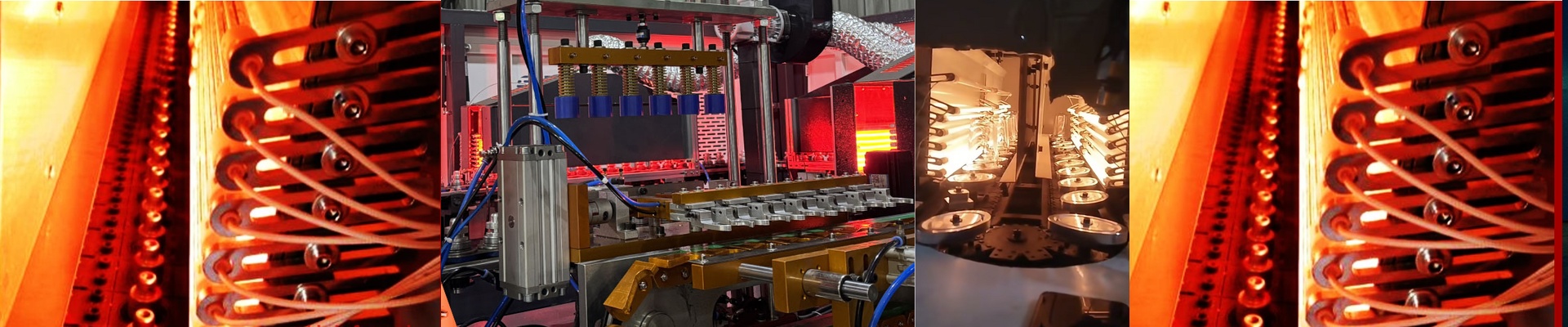
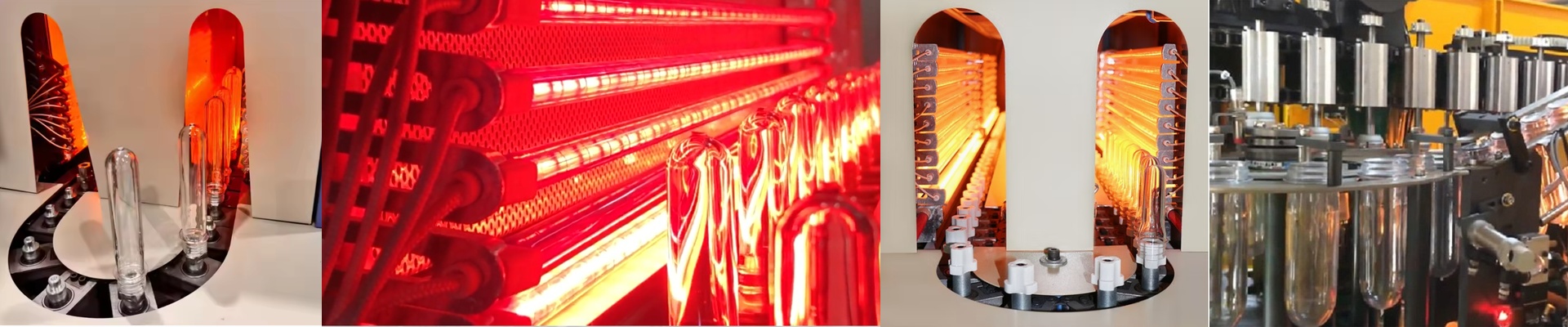
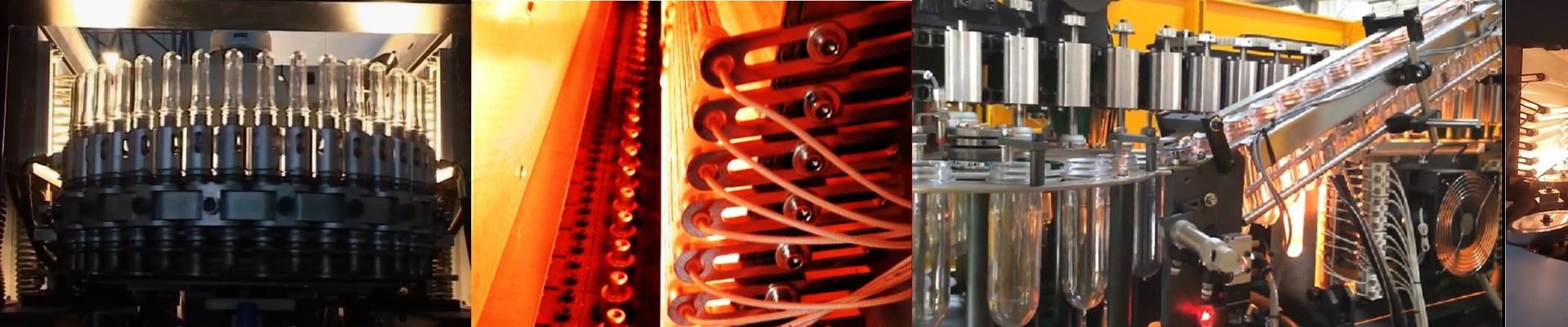
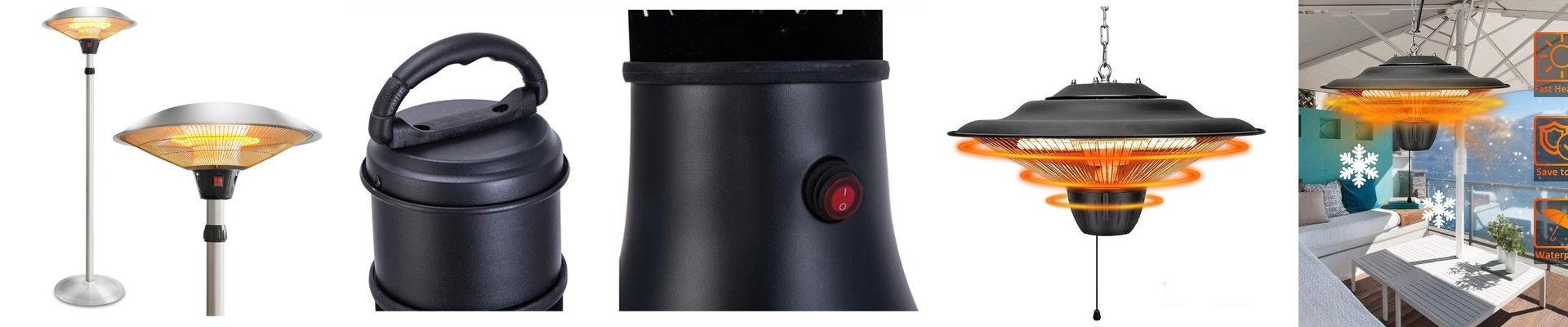
When the rush hits, you can’t afford a tableware dryer that can’t keep up. Slow preheat and uneven heat stretch out cycle times, stall trays, and knock temperatures off spec. You end up with wetware, spotty drying, and a backlog that bleeds labor and margin. A solid heating tube turns that squeeze into steady, predictable flow.
What matters under the hood
We built this replacement heating tube for industrial tableware dryers and sized it to match common chamber footprints. Match your duty cycle with standard power ratings from 2–4 kW, in 120 V or 240 V configurations. The sheath is stainless, so it resists corrosion in steamy, high-wash environments. Internal mica insulators keep hot spots contained, and the compact form clears tight spaces and mounting brackets. Choose DIN or spade terminals to drop into existing sockets with minimal rewiring. You get rapid heat-up and stable output, so the thermostat sees a clean signal and the control loop stops hunting.
Why this matters in a busy kitchen
In a real rush, drying is the bottleneck you can’t hide. Faster warm-up gets the dryer to setpoint sooner, so you start cycles earlier and keep pace with the warewashing load. Even heat across the chamber dries glasses and plates uniformly, which cuts down on re-washs and breakage. Stable temperature control also trims energy per cycle by avoiding overshoot and long cool-downs. And when the element holds up, swaps are fewer, service calls shrink, and the line runs at a cadence you can plan around.
The details that keep you out of trouble
Install is straightforward, but match voltage and terminal style to the original. Confirm chamber clearance and bracket orientation before you order. In very hard water areas, scale on the sheath can shorten life; a regular descale, plus a quick look at the thermostat and wiring, keeps performance steady. When you replace the tube, swap the gasket and check the sealing surface. That simple step prevents steam leaks that waste heat and make the whole system work harder.