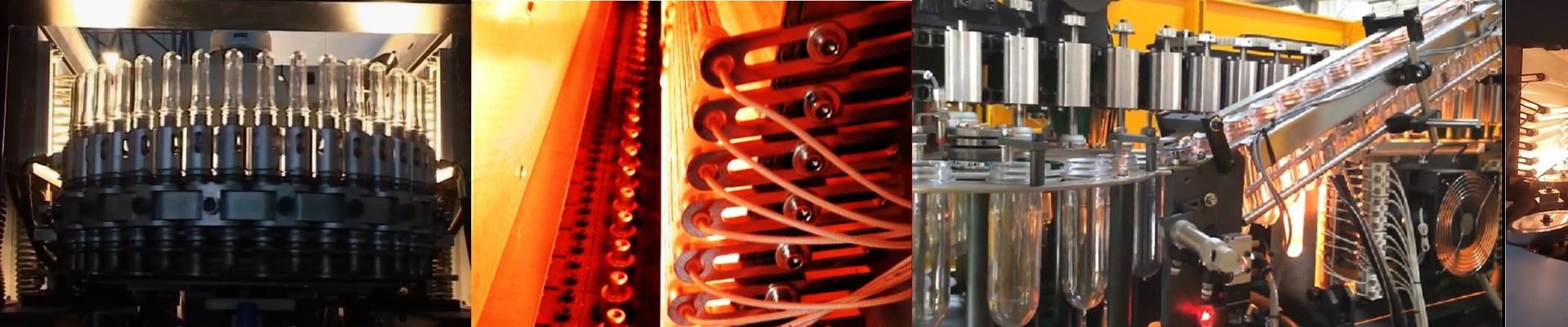
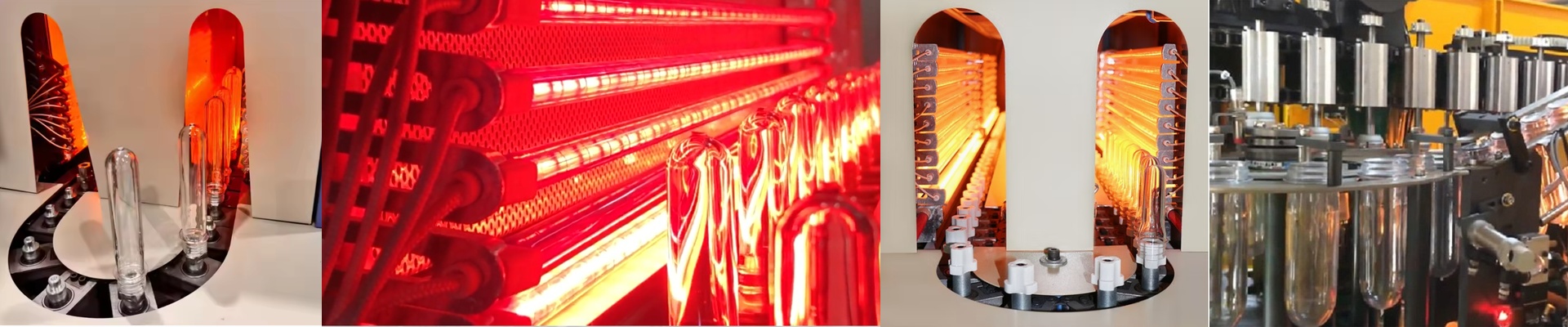
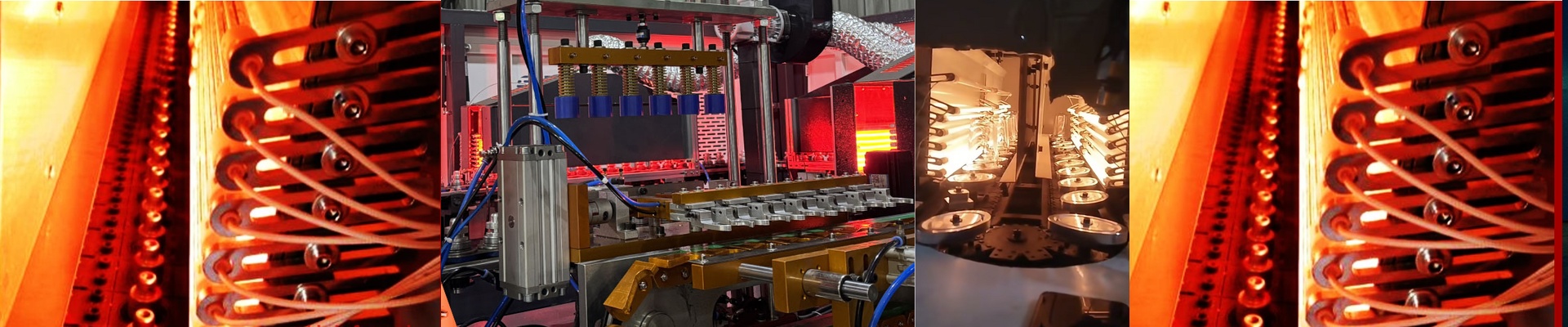
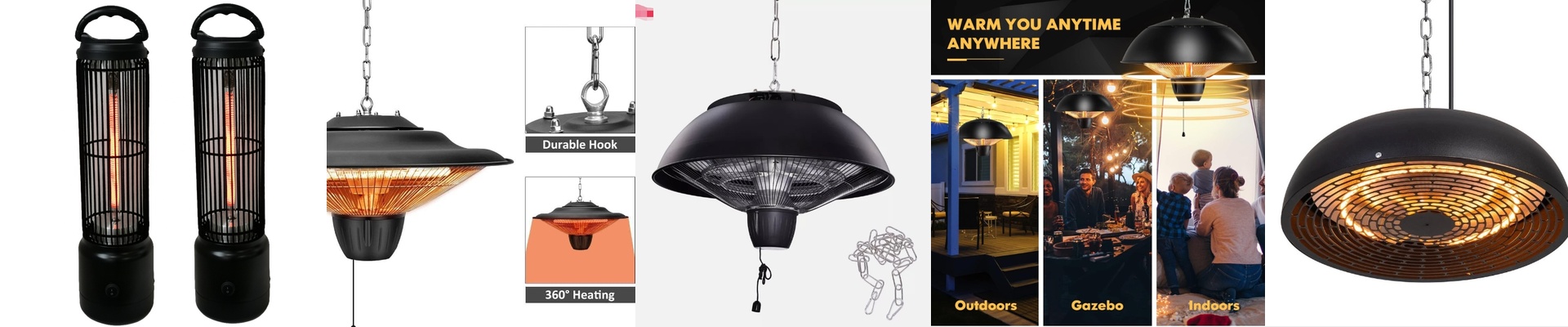
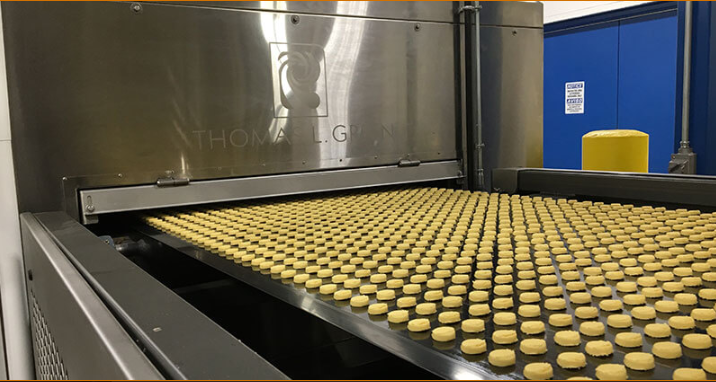
When the rush hits, your ovens and holding cabinets can’t afford hot spots or lag. If the heating elements can’t keep up, bake times stretch, ticket times slip, and the crust pays the price. We built the frosted quartz food warmer heating tube to give you steady, controllable infrared heat where it matters—on the stone hearth, across the deck, and inside the holding well. What matters under the hood The frosted quartz envelope diffuses short-wave infrared, spreading the energy instead of hammering one spot. In practice, that means even browning, predictable caramelization, and fewer scorched edges. It comes up to temperature fast, so recovery after opening the door is quick, and it holds steady even when you’re loading and unloading nonstop. The specs are chosen for real kitchens: quartz that can take thermal shock, standard terminal connections for straightforward retrofits, and a clean output profile that sits nicely with thermostat control. Why this works where you need it Pizza deck ovens need focused heat on the stone to lift the crust without drying the toppings. Bakery deck ovens need consistent bottom heat for dependable loaf spring and crust development. Rotary and convection ovens benefit from elements that recover fast, which tightens bake windows and keeps the schedule honest. For holding, the same tube delivers gentle, even warmth that keeps food at target temperature without drying it out or toughening it up. The payoff is tighter control over bake profiles, fewer under- or over-baked pans, and a repeatable flow once service starts. Here’s what to keep in mind Installation is straightforward, but clearances matter. Keep the tube properly spaced from pans, trays, and oven walls so airflow stays right and temperature stays even. Match voltage and wattage to the equipment’s rating, and make sure it plays with your thermostat or control strategy. In humid holding areas, keep the terminal connections dry and clean—that’s how you protect reliability over the long haul.