


Making Your Outdoor Heat Actually Smart
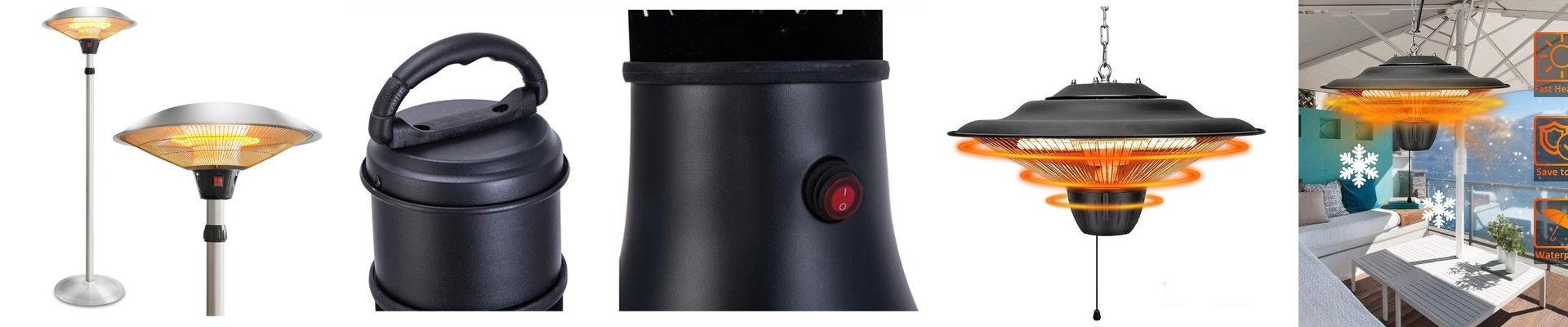
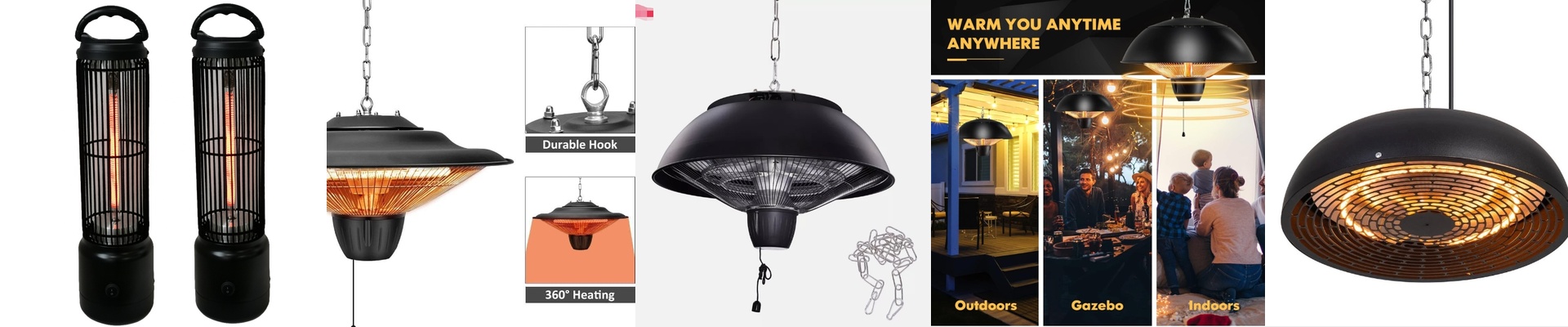
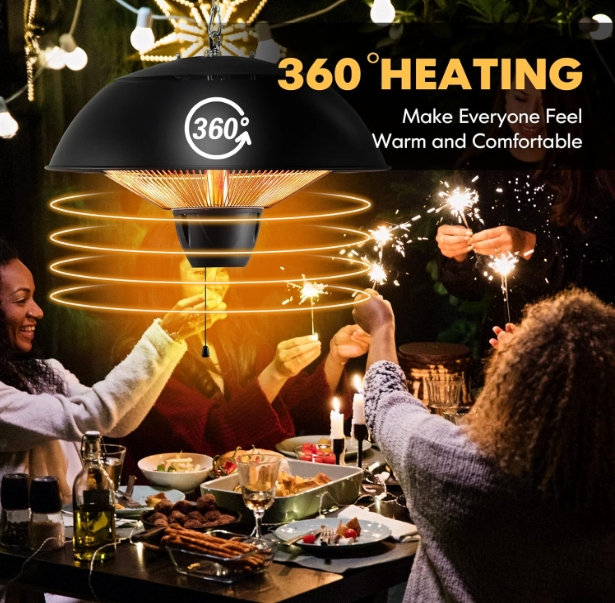
Let’s be honest: trying to heat the outdoors is usually a losing battle. If you try to heat the air, the wind just carries it away. That’s why we stick with short-wave infrared. Instead of fighting the breeze, it goes straight for the people and the furniture. It’s the difference between waiting for a room to warm up and stepping into a beam of sunlight on a cold day. When you hook these up to a smart home system, they stop being just another appliance you have to remember to flip a switch for. They become part of the house. The guts of the system To get a heavy-duty heater to “talk” to your phone, we have to bridge the gap between high-voltage power and low-voltage brains. We use IP65 or IP67 housings—basically, armor that keeps rain and snow from frying the electronics. Inside, you’ve got quartz or carbon fiber elements. We wire those through a heavy-duty relay or a solid-state switch that connects to your Zigbee or Matter gateway. Once that’s done, you can trigger the heat from your couch or let a sensor do the work for you. Instant warmth The best part? There is no “warm-up” period. You know those old oil radiators that take forever to get going? Forget those. With infrared, the second the relay clicks, the filament is hot. It’s almost instant. You can go from shivering in the winter chill to feeling like it’s spring in a few seconds. We build these to handle a lot of power because you need a high heat density to actually fight off a biting wind. The “Gotchas” (Read this part) Here is the thing: you can’t just plug these into a random extension cord and call it a day. If you want real control, you need a dedicated circuit. These heaters pull a massive amount of power—usually 2000W or more. If you use a cheap, undersized smart relay, it’ll burn out pretty quickly. To keep things from melting, we always spec the relay for 125% of the heater’s rated current. It’s a small detail, but it’s the difference between a system that lasts years and one that pops a fuse on day one. Setting it and forgetting it The smartest way to run this is to pair your heaters with an outdoor temperature sensor. I usually set mine to kick in the moment the air hits 10°C. That way, you never have to think about it. You just walk outside, and the space is already cozy. It basically turns your patio into a room you can actually use all year long.