Keeping Your IP65 Infrared Heaters From Shorting Out
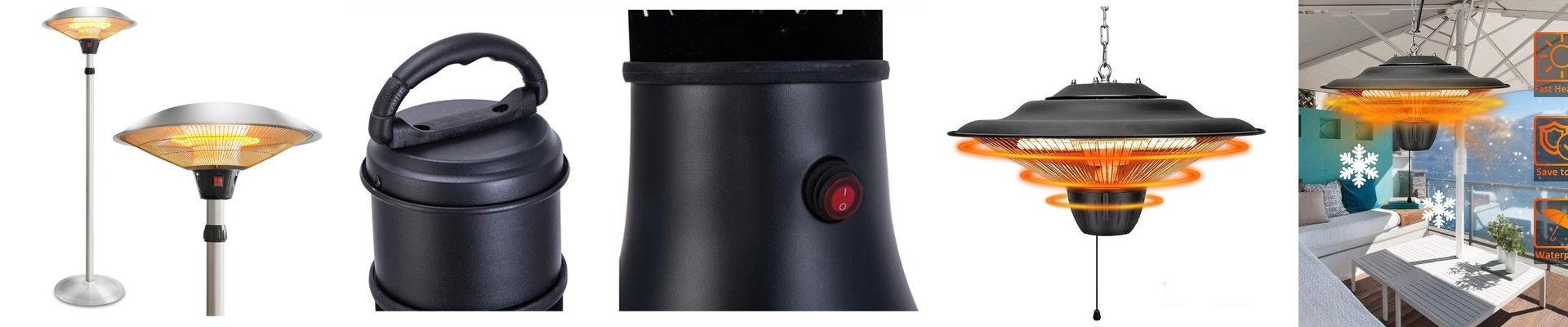
Getting an IP65 rating on a spec sheet is the easy part. Keeping that rating when the heater is actually running hot? That’s where things get messy. In my experience, the housing usually holds up just fine. The real trouble starts where the lead wires enter the chassis. If that seal fails, moisture creeps in. If the seal can’t handle the heat, the insulation just burns away.
Why the wires usually fail
Here’s the thing: most standard potting compounds just can’t handle the constant heating and cooling of an IR element. Cheap seals shrink. They crack. Once a tiny gap opens up, oxygen and humidity rush in to hit the copper leads. It starts a chain reaction of oxidation. We call it “carbon tracking.” Basically, the insulation breaks down and turns into a path for electricity to travel where it shouldn’t. Then, boom—you’ve got a dead short.
The difference with pro-grade sealing
A lot of generic setups rely on basic rubber gaskets or some cheap silicone. Those just don’t stand a chance against a high-wattage heater. We do things differently. We use high-temp sealants and compression glands that actually grip the wire, even as the materials expand and contract. The goal is to stop the “breathing” effect. You know how a heater sucks in moist air as it cools down? By matching the sealant’s expansion to the metal housing, we shut that door completely.
The tricky part: Balancing heat and waterproofing
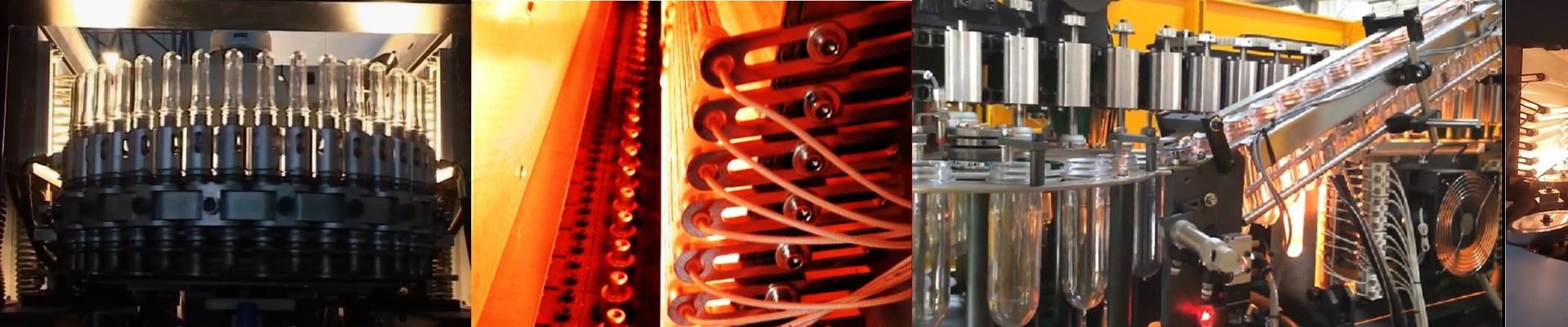
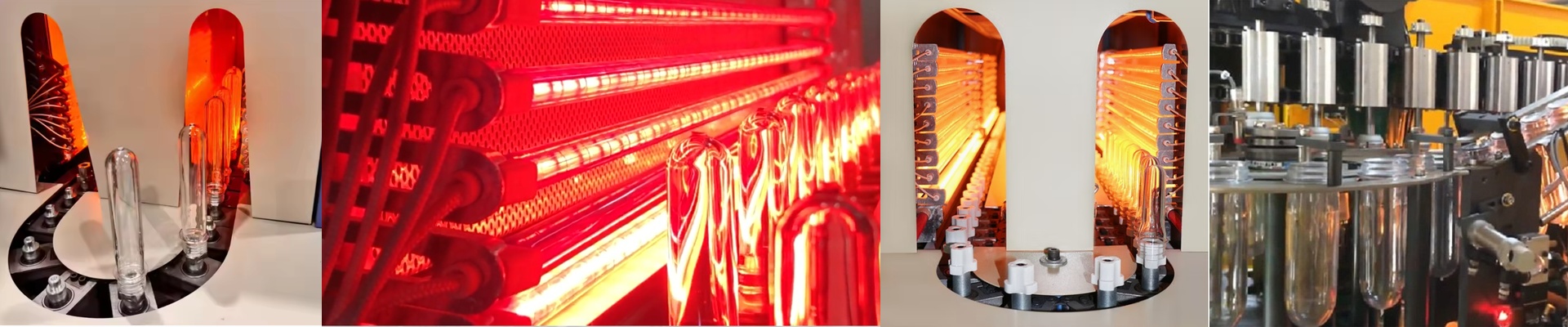
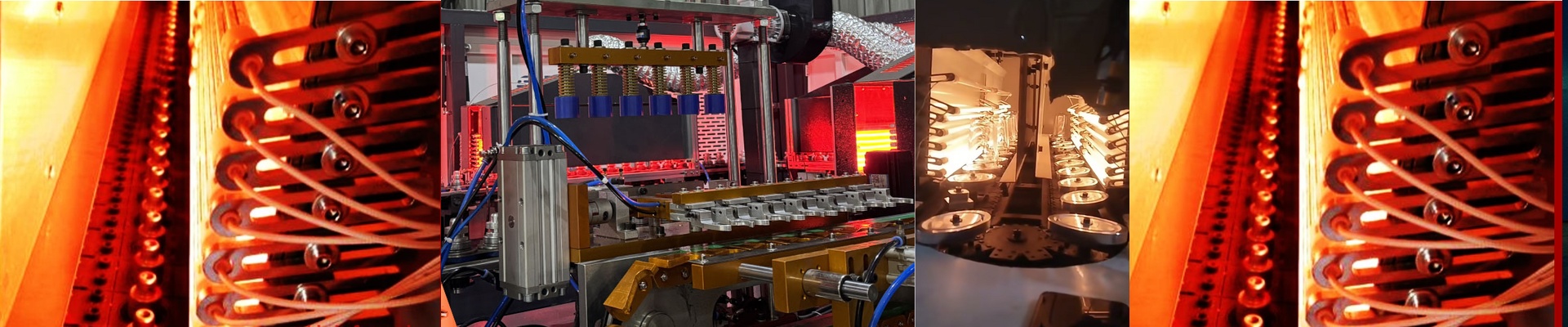
You can’t just slap a thick seal on a heater and call it a day. Adding that sealing material increases the thermal mass right where the wires enter. If the entry point is too close to the heating element, the sealant will char and fail, no matter how expensive it was. To fix this, we offset the entry points and use reinforced fiberglass braiding on the leads to pull the heat away from the seal. One last tip: check your wire gauge. If the wire is too thin for the current, it creates its own heat. It’s like having a tiny heater inside your seal, cooking it from the inside out. Keep your specs tight, and your heaters will actually last.