
Stop Waiting on Your Oven to Preheat
If you’ve ever worked in a commercial kitchen or a production line, you know the pain of the “preheat wait.” Standard convection ovens are basically just big fans pushing hot air around. It works, but it’s slow. When you’re trying to hit a deadline, that lag time feels like an eternity and kills your momentum. The trick to fixing this is adding short-wave infrared (IR) lamps as a little extra boost. Instead of waiting for the air to warm up, IR energy hits the trays and the food directly. It’s like the difference between warming up a room with a heater versus stepping into the sun.
How it actually works
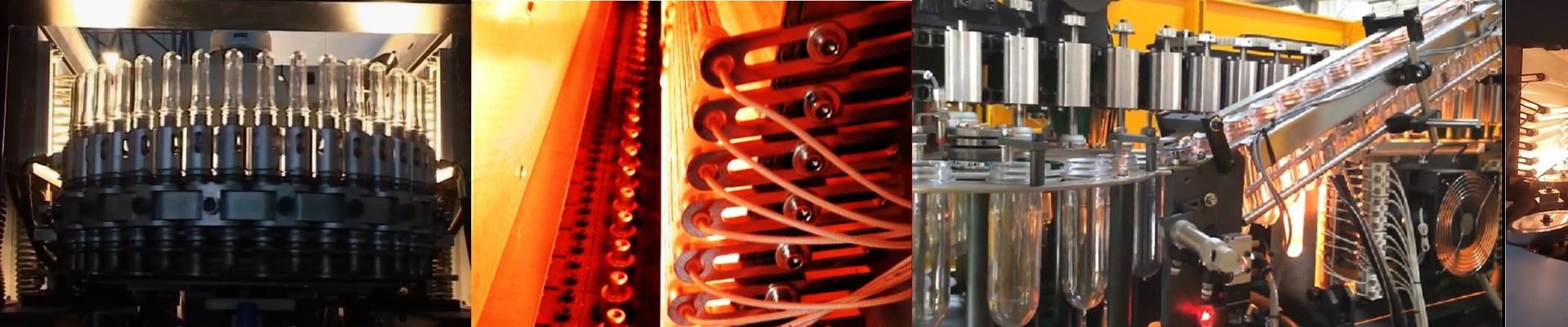
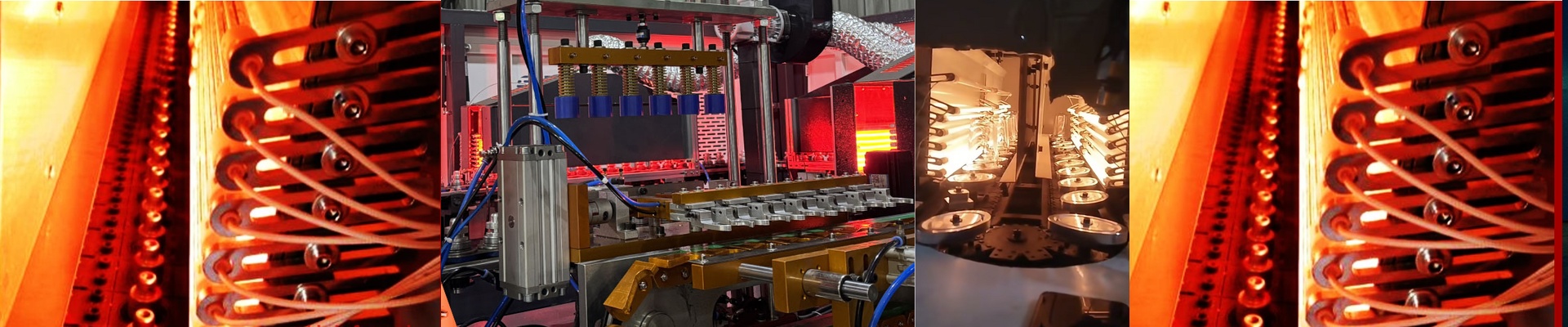
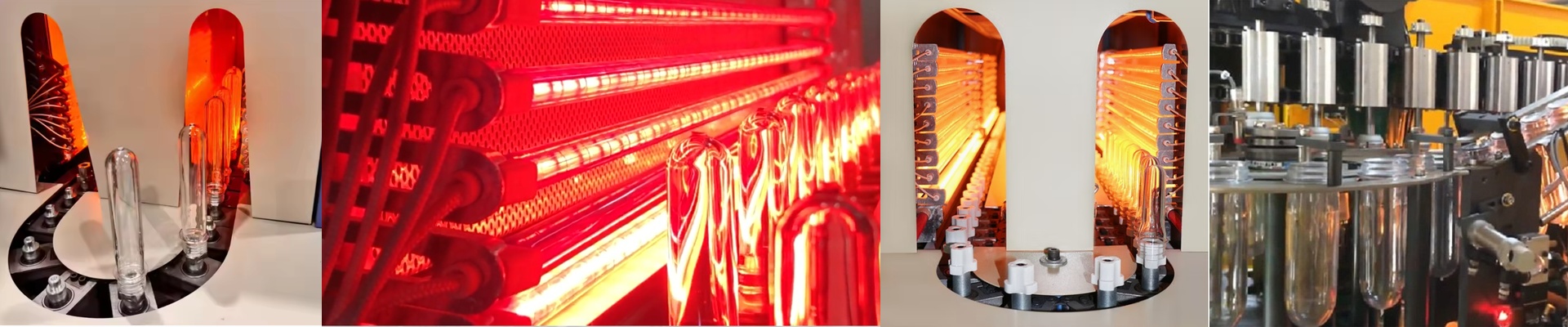
We use halogen-filled quartz lamps because they pack a ton of heat into a tiny space. While old-school coils take their sweet time to glow, these lamps hit their target temperature in seconds. By wiring these into your preheat circuit, you stop relying on the slow crawl of air and start using rapid radiation. It just gets the job done faster, which means you can push more batches through the door.
The nitty-gritty on safety
Since we’re talking about food, you can’t just use any bulb. We stick with high-purity quartz glass. It handles the heat without cracking and, more importantly, it won’t leak anything into your product. We also use R7s or Sk15 connectors. Why? Because ovens vibrate. Things expand and contract. You don’t want a loose wire sparking or flickering when the machine is humming along at full tilt.
A few things to watch out for
Now, here’s the catch. These lamps are powerful. Like, really powerful. If you just toss them in without a plan, you’ll end up with “burnt on the outside, raw on the inside” food. You have to get your controllers dialed in perfectly so the heat doesn’t overshoot. The best way to handle this is to pair the lamps with a precision sensor. Once the air temperature finally stabilizes, the sensor tells the IR lamps to shut off and lets the standard convection take over. It’s a simple tweak, but it turns a sluggish start into a fast-start operation. If you’re an engineer looking to shave a few minutes off every single batch, this is the way to do it.