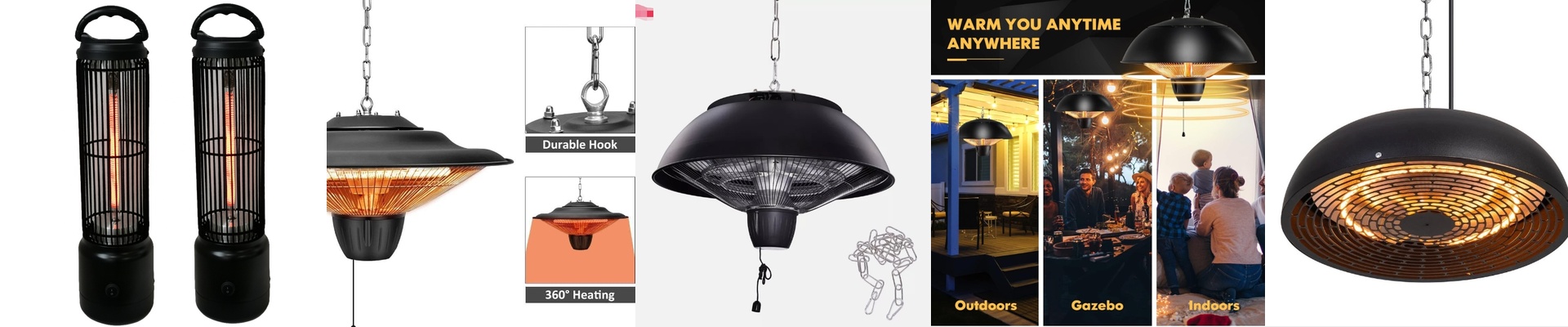
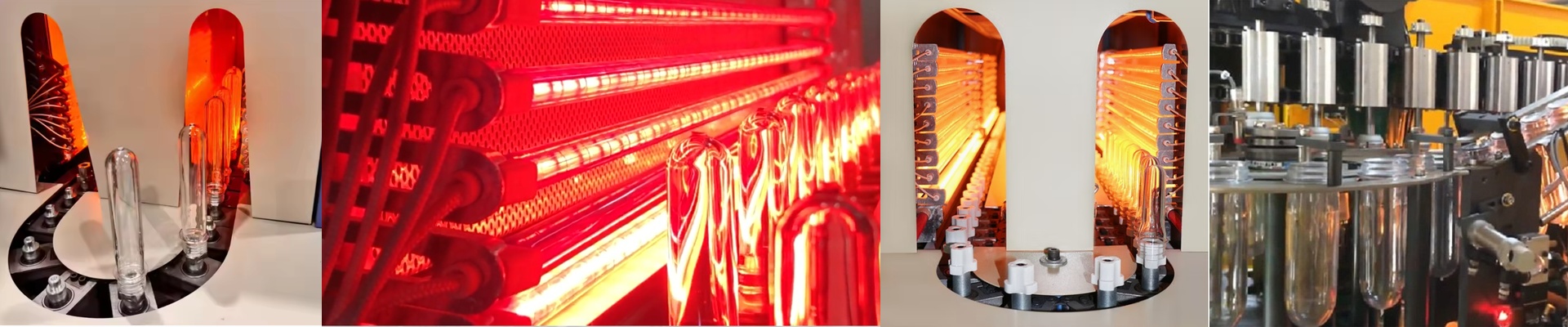
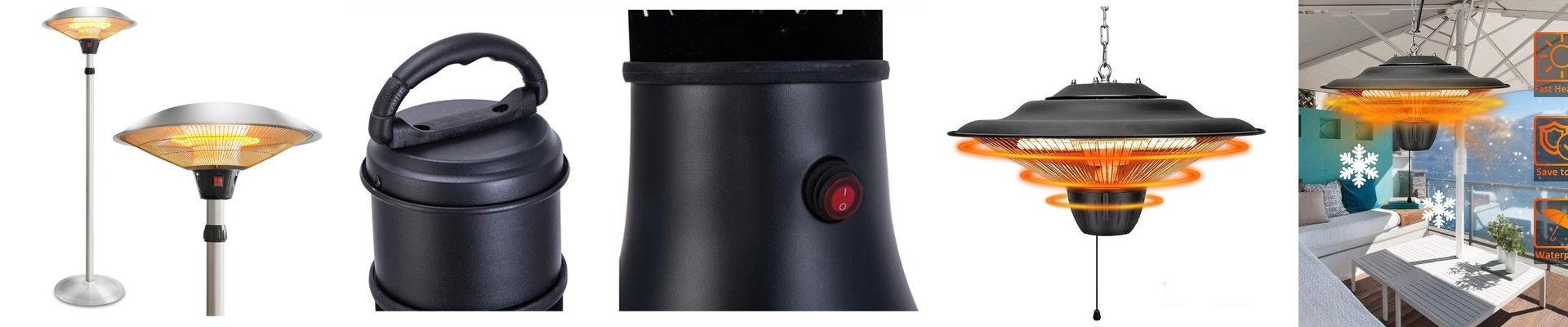
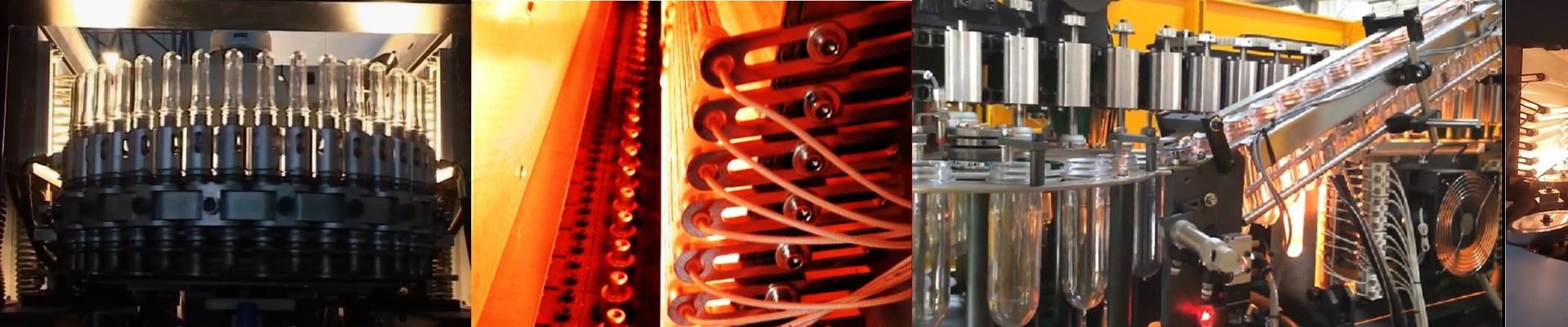
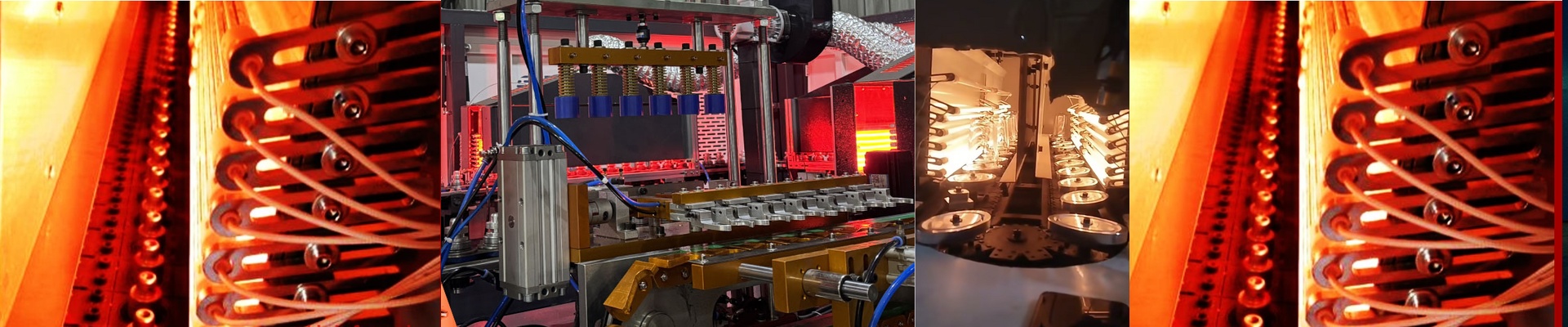
When the lunch rush hits, the griddle stays hot—and so does the pressure to keep every plate safe. A slow recovery or uneven heat doesn’t just slow service; it puts you at risk. We built our food safety IR emitter for griddles to keep heat consistent and sanitation repeatable, day in and day out. What matters under the hood We run quartz short-wave emitters because they respond fast and hold temperature tightly. In a typical griddle zone, the emitter brings the surface back to target quickly after a heavy load hits, so you spend less time waiting and more time plating. It runs on standard commercial voltages, drops into common mounting brackets, and is built for high cycle counts—count on steady output through thousands of heat-up/cool-down cycles. Why it plays in a busy kitchen The griddle never sits idle when service is moving. This IR emitter helps hold stable surface temperatures across the cooking zone, which keeps cooking even and doneness consistent. Faster recovery means shorter gaps between orders, and stable heat keeps energy spikes from driving up the utility bill. The emitter is sealed and straightforward to clean, so routine sanitation doesn’t get hung up on hidden nooks where grease and crumbs collect. What to keep in mind IR emitters do their best work when they’re matched to the griddle’s footprint and the ventilation profile. Clearance and shielding matter—too close and you risk localized overheating; too far and response drags. Installation is straightforward, but heat and grease are rough on wiring connections. Use high-temperature rated wiring, secure terminals as specified, and confirm compatibility with your griddle model before ordering.