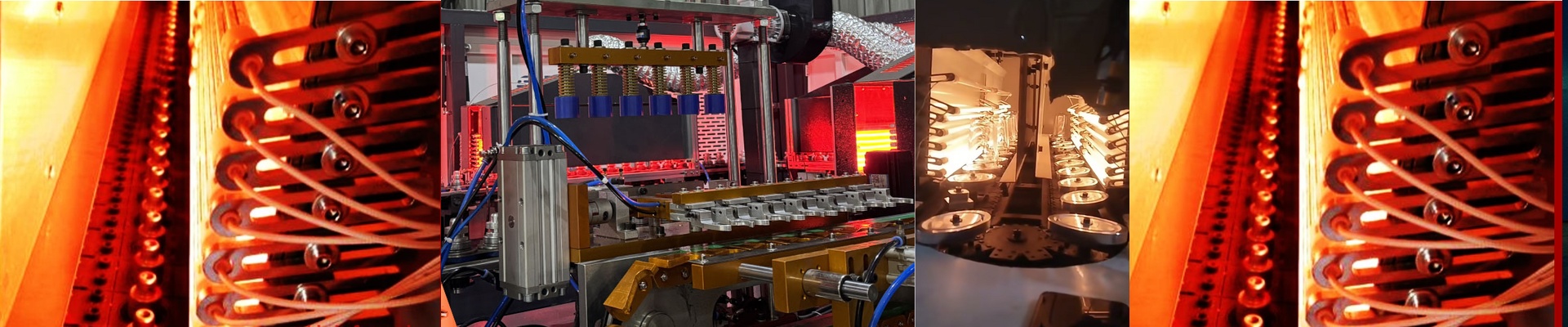
Getting Your PET Blowing Lamps Just Right
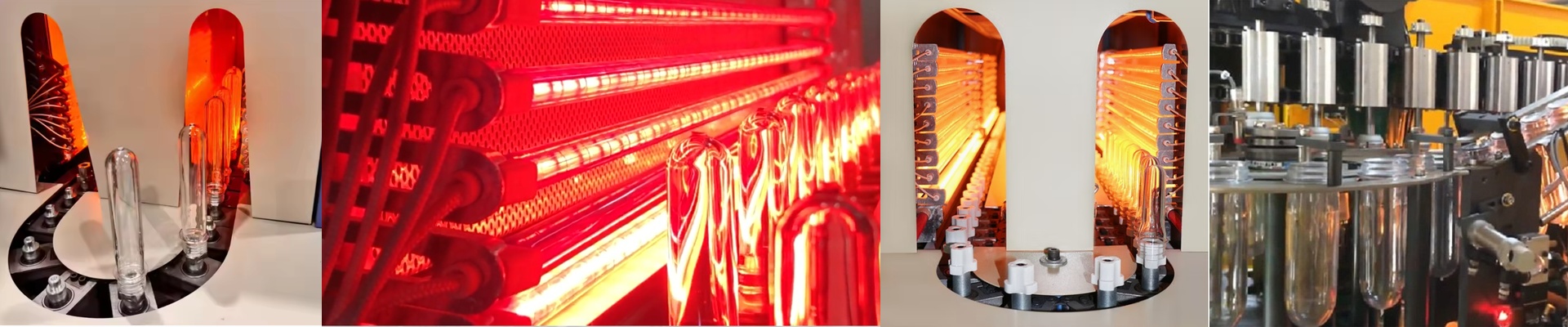
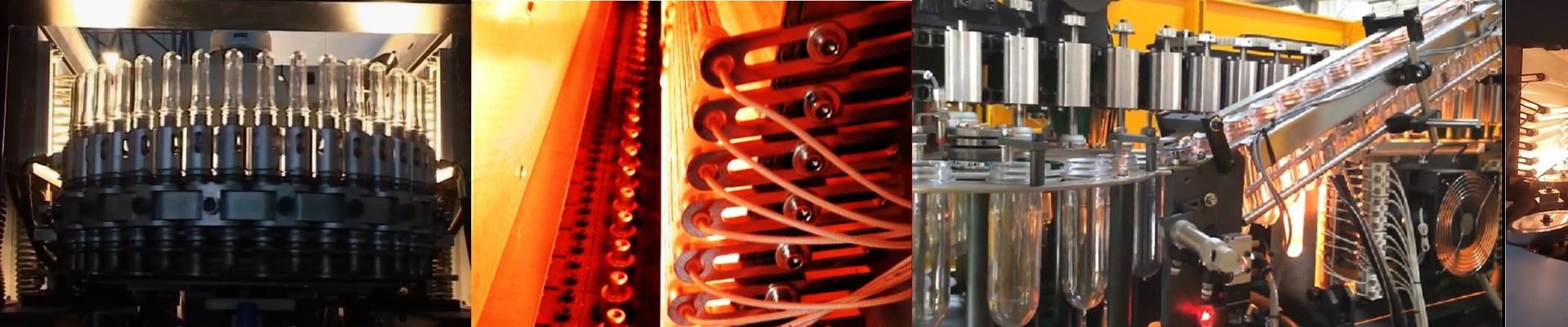
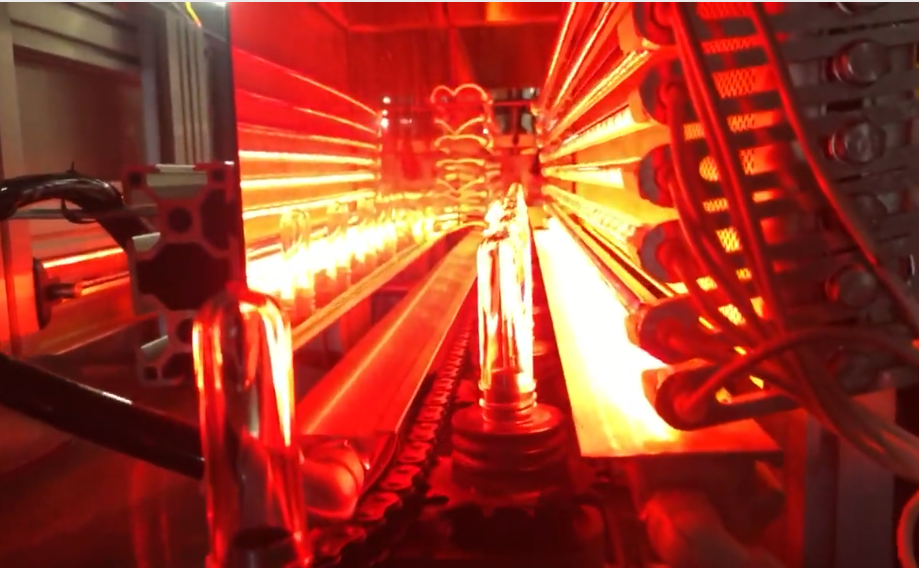
When you’re swapping out infrared lamps in a Sidel Matrix or a KOSME KSB 6000, it’s easy to think you just need a bulb that fits the socket. But it’s a bit more complicated than that. It’s really about the heat. Specifically, how that heat hits the plastic and how fast it ramps up. If your new lamp is off by even a tiny bit in wattage or spectral output, you’ll notice it immediately in your preform temperature profiles. It’s a headache you just don’t need.
Matching the Specs (Without the Guesswork)
We build our lamps to be mirrors of the OEM specs. We aren’t talking “close enough” or “approximate.” The voltage, wattage, and length are exact. The best part? When you drop these into a KOSME KSB 6000, you don’t have to mess around with the PID controllers. No recalibrating. No fiddling with settings for hours. We also focus heavily on the infrared wavelength. Shortwave radiation has to penetrate the PET at a very specific rate. If that wavelength shifts, you’re looking at a nightmare: either the surface scorches or the core stays cold. We avoid that by using the same quartz grade and filament mix as the originals. It just works.
Fitting Them In
These are true drop-in replacements. We kept the connector footprints exactly the same, so you can wire them up without having to modify your loom. Plus, the quartz envelope is tough. It’s built to handle the constant, rapid heating and cooling these machines go through every single day. One quick tip: while you’re in there,take a look at your reflectors. Even the best lamp in the world can’t fix a worn-out reflector. If the reflector is shot, your heat distribution will be uneven, and you’ll be chasing your tail trying to figure out why the bottles aren’t coming out right.
Real-World Advice
Our lamps match the OEM heat curve perfectly, but let’s be honest—infrared output drops over time. It’s just physics. To keep your Sidel Matrix humming along, try a staggered replacement schedule. If you swap every single lamp at the exact same moment, you create a sudden jump in the oven’s thermal load. Doing it in stages keeps everything stable and predictable.