Getting Your Heat Right: A No-Nonsense Guide for SIPA SFR 12 and Krones Contiform
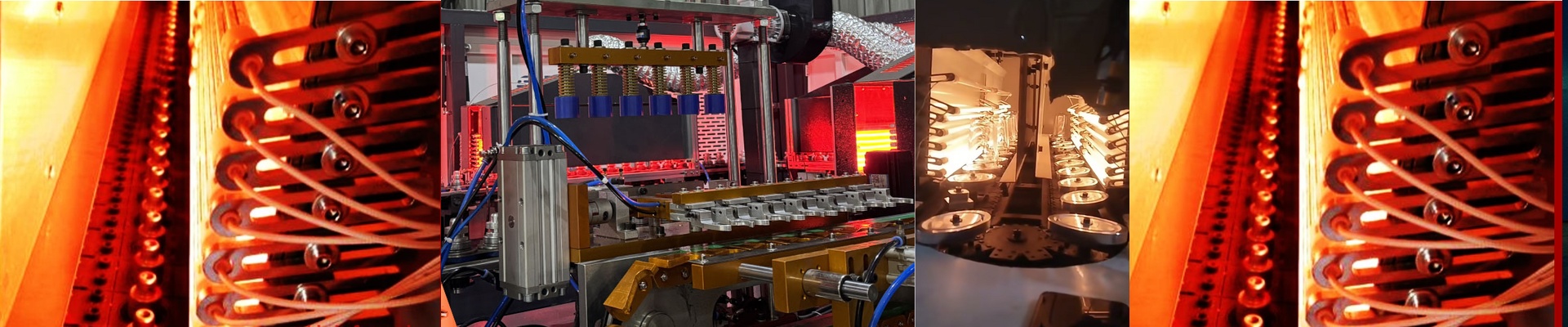
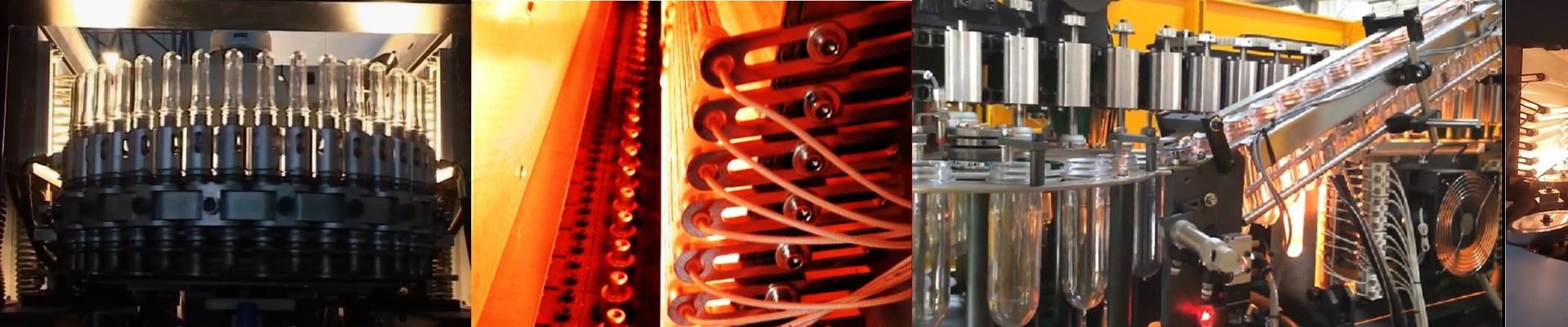
If you’ve spent any time around rotary blow molding machines, you know the struggle. You’re basically fighting a constant war against downtime and energy bills. In the SIPA SFR 12 and Krones Contiform series, the heating lamps do all the heavy lifting. But when a tube burns out or just starts to fade, everything goes sideways. Suddenly, you’re dealing with uneven walls and a pile of rejected bottles. It’s frustrating.
The Gear
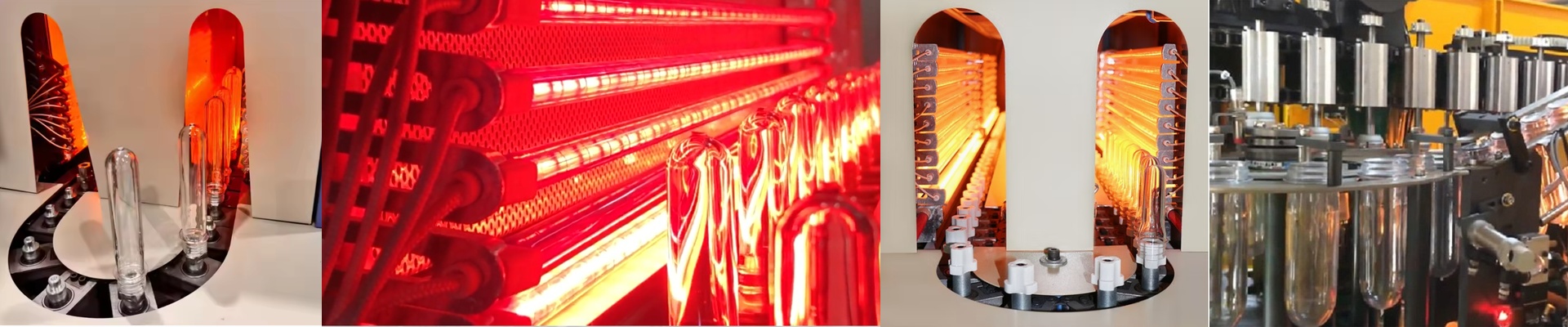
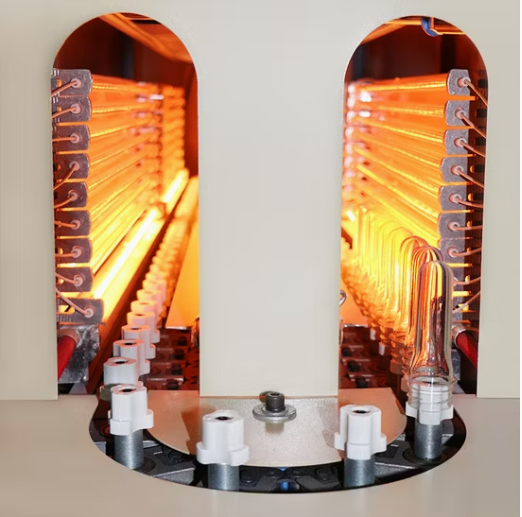
We make our Replacement lamps to fit the OEM footprint exactly. No guesswork. They’re shortwave infrared halogen lamps—basically a high-wattage tungsten filament tucked inside a quartz envelope. The goal is simple: get that PET preform to its glass transition temperature fast, without scorching the neck. **One quick tip: double-check your voltage and wattage before you swap them out.**If you get it wrong, you’ll either end up with under-heated plastic or a blown controller. Since these are drop-in replacements, you won’t have to mess with your wiring or reflector housings. Just pop them in and go.
Why the Details Matter
The quartz glass is the heart of the whole thing. We use high-purity quartz because cheap stuff clouds over when it gets hot, and that kills your efficiency. Then there are the connectors—usually R7s or Sk15. We keep the tolerances tight. Why? Because a loose fit leads to arcing. That’s a fast track to killing the lamp and potentially frying your socket. Not a fun way to spend a Tuesday.
The Trade-off
Here’s the thing: bumping up the wattage can speed up your cycle times. It sounds like a win-win. But there’s a catch. More heat puts a lot more pressure on your cooling blow-air system. If your cooling circuit can’t handle the extra load, your bottles will start to deform. And while you’re in there changing the lamps, do yourself a favor:**wipe down your reflectors.**Keeping them clean ensures you’re getting the most out of that IR reflection. It takes two minutes and saves you a headache later.