Why we obsess over IP55 for our patio heaters
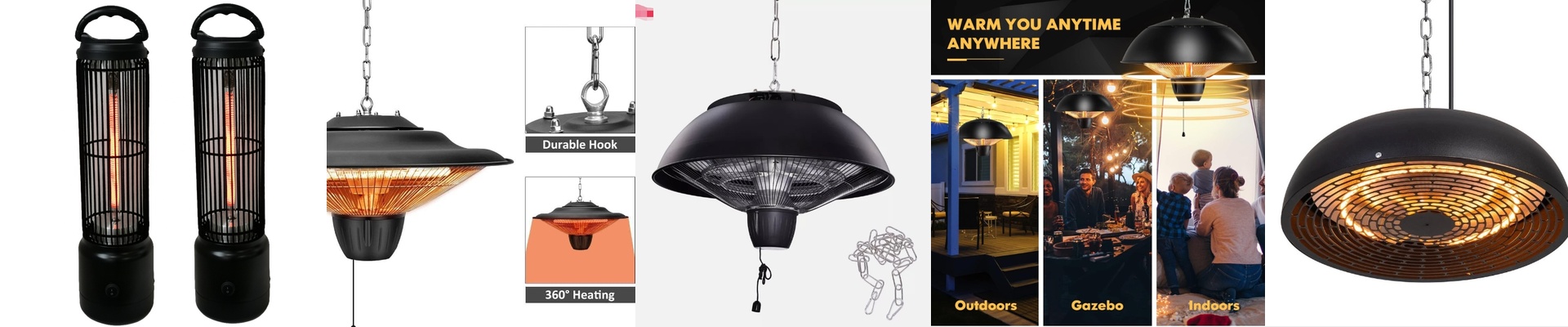
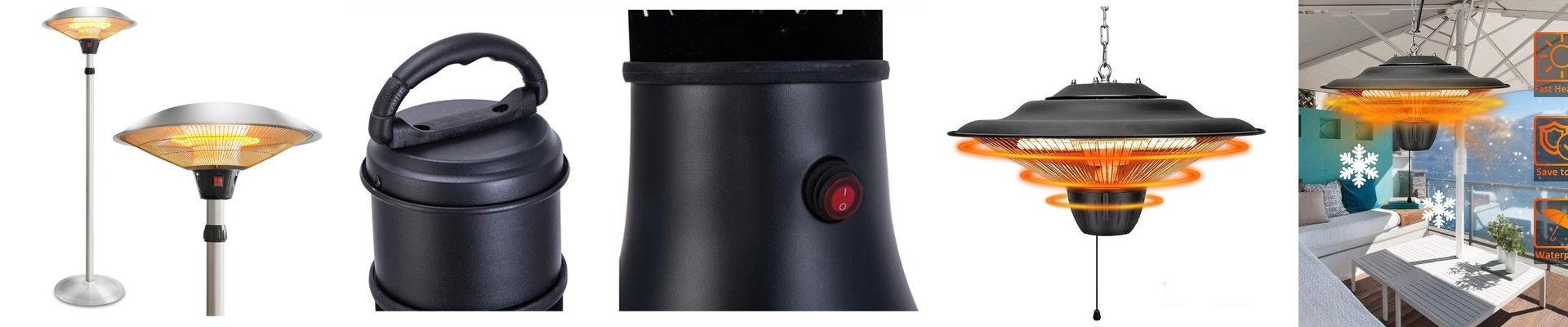
Let’s be real: the outdoors are brutal. Between the sudden rain showers, the dust, and those weird temperature swings, your patio heater is basically fighting a war every time you turn it on. If you don’t protect the insides, the moisture and grime will eat through the wiring and kill the heating element faster than you can say “winter is coming.” That’s why we build our best-selling units to an IP55 standard. What does that actually mean? Forget the technical manuals for a second. The first “5” is all about the dust. It means we’ve built a housing that keeps the grit and dirt from getting into the electrical guts of the machine. The second “5” is the important part for anyone living near a coast or in a rainy city—it means the unit can handle water jets hitting it from any angle. We use heavy-duty gaskets and sealed cable entries to lock everything down. Without that, condensation just builds up inside the chassis. It’s a recipe for disaster. One day it’s working fine, and the next, a short circuit fries the heating coil. Dealing with the splash If you’ve ever had a drink spill or a misting system go haywire on a patio, you know how messy it gets. We designed our reflectors and guards to shed water instantly. We use powder-coated aluminum and treated quartz glass so water spots don’t bake onto the surface. Because here’s the thing: if water sits on a glowing hot element, it causes “thermal shock.” That’s a fancy way of saying the glass cracks. Our drainage design makes sure the water runs off before it can do any damage. The tricky part Now, there’s a catch. When you seal something this tight to keep water out, you accidentally create a heat trap. You can’t just wrap electronics in a plastic bag and expect them to stay cool. To fix this, we use heat-conductive materials in the housing. These act like a bridge, pulling the heat away from the terminals so they don’t cook themselves. Just a heads-up: if you install these in a tiny, enclosed space with zero airflow, you’re going to cut the lifespan of the unit. Give it some room to breathe. In the real world, moving from a basic IP20 rating to IP55 usually doubles how long the heater lasts, especially in humid or salty air. It basically stops the corrosion before it even gets a chance to start.