Don’t Roast Your Guests: A Quick Guide to Infrared Heater Clearance
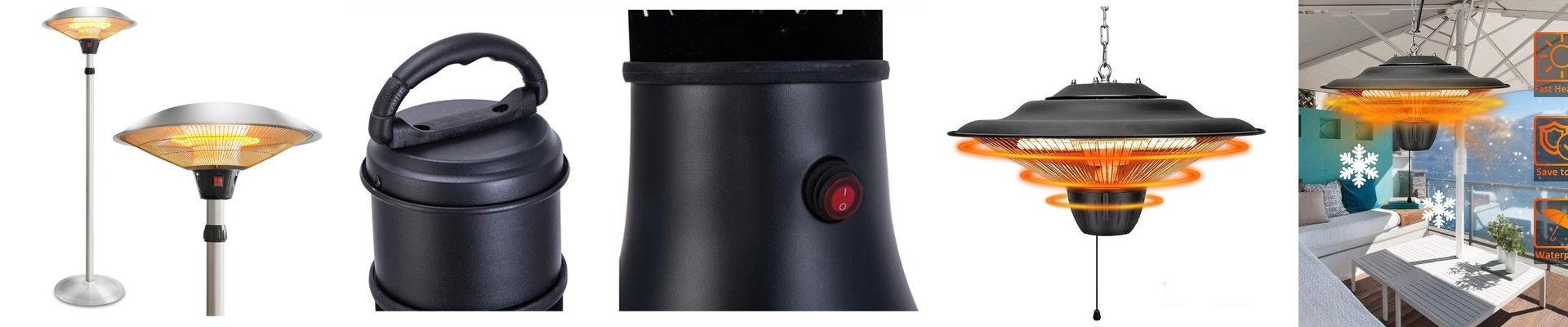
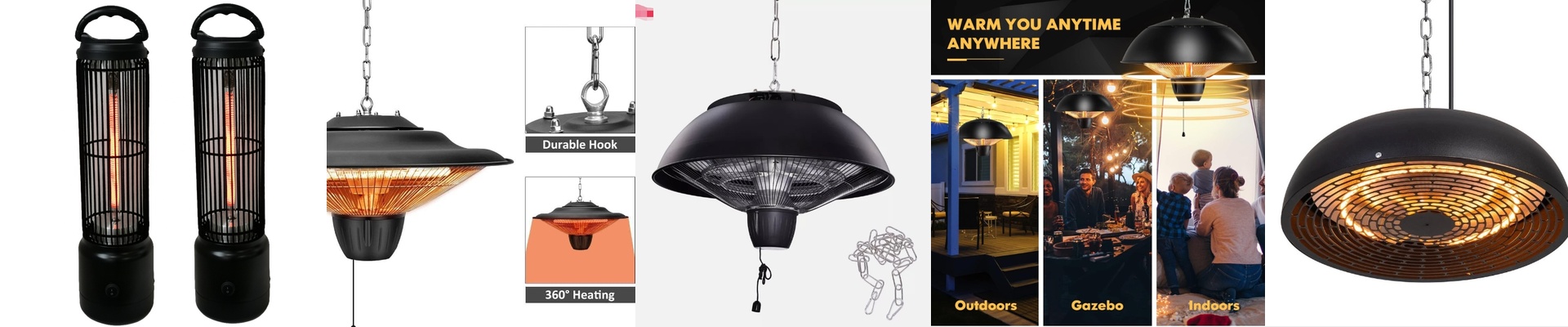
If you’re putting infrared heaters in an open-air restaurant, don’t just bolt them to the ceiling and hope for the best. If you get the height wrong, you’re essentially paying to heat your roof. I’ve seen it happen way too often. Some owners mount them too high, and the heat just vanishes into the wind. Others mount them too low, creating these brutal “hot spots” that make guests want to move tables immediately.
The “Heat Trap” Problem
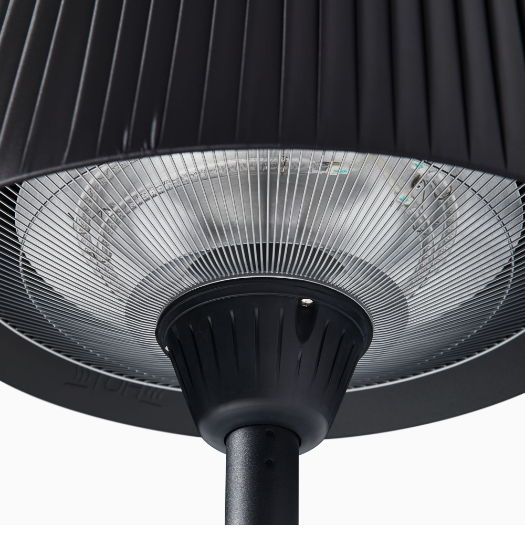
Here’s the thing about infrared: it travels in a straight line. It doesn’t float around like hot air; it hits a target—like a guest’s shoulder—and stays there. But if you tuck a heater too close to a ceiling or an overhang, you create a trap. The heat bounces right back into the unit. This can trip the safety switch or, worse, fry the heating element. To keep things safe and let the unit breathe, give yourself at least 18 to 24 inches of space from any ceiling material. You don’t want to be the person who accidentally scorched their own roof.
Keeping the Seats Full
Cold patios are a margin killer. When it’s freezing outside, nobody wants to sit on your deck, no matter how good the food is. The trick is to create “warm zones.” If you get a grid of shortwave lamps and mount them between 7 and 10 feet up, the heat hits exactly where the customer is sitting. It makes a sub-zero night feel cozy. And when people are warm, they stay longer. They order another drink. They actually enjoy themselves.
Finding the Sweet Spot
You might think “more power is better,” but that’s not always true. High-wattage units pack a punch, but they have a narrow reach. If you put a beast of a heater on a low ceiling, you’ll bake the person sitting directly under it while the person three feet away is still shivering. It’s all about balance. If your ceilings are low, go with lower-wattage lamps or a wider beam. Otherwise, you’ll spend your entire shift messing with the thermostat because guests are complaining they’re being cooked alive.