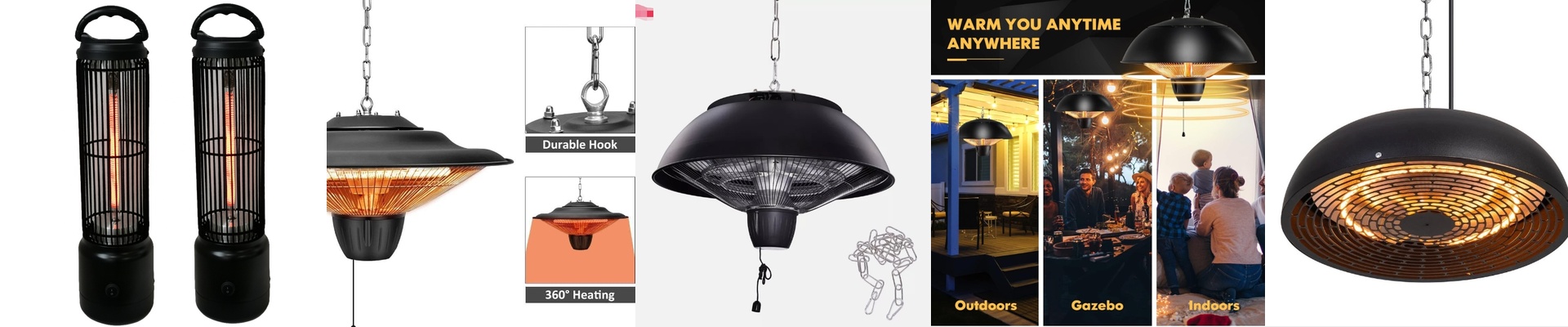
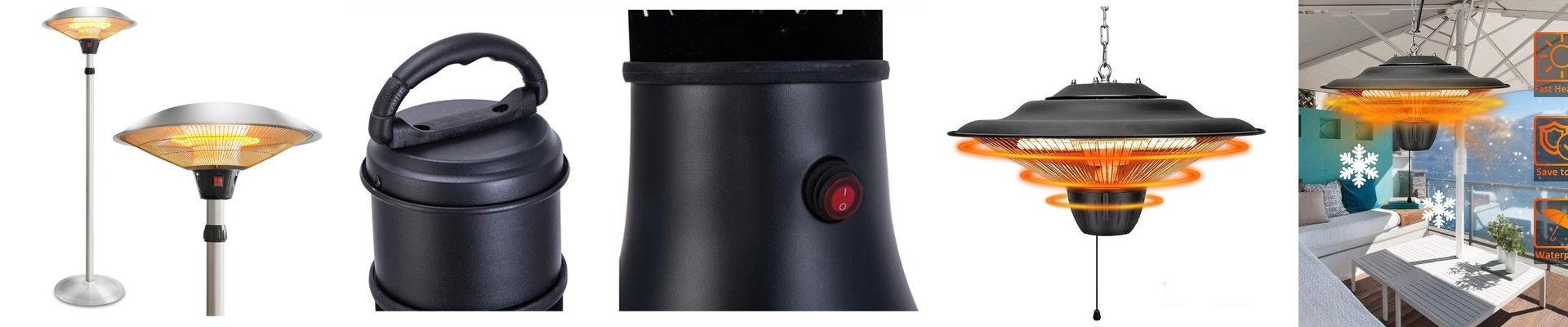
The line’s moving. Tickets keep piling up, and the oven’s lagging—heat bleeds off the stone hearth, the deck temperature dips, and the next tray of pizza or focaccia comes out pale instead of blistered. When the heating element can’t keep up, service turns into triage: underbaked bases, overcooked edges, and a mad scramble to swap pans while the thermostat chases the setpoint. A restaurant stainless steel heating bulb isn’t a cosmetic add-on. It’s a heat-delivery choice that changes how your oven behaves in service—how fast it recovers, how steady it holds, and how long it stays in spec before the next maintenance call.
What matters under the hood
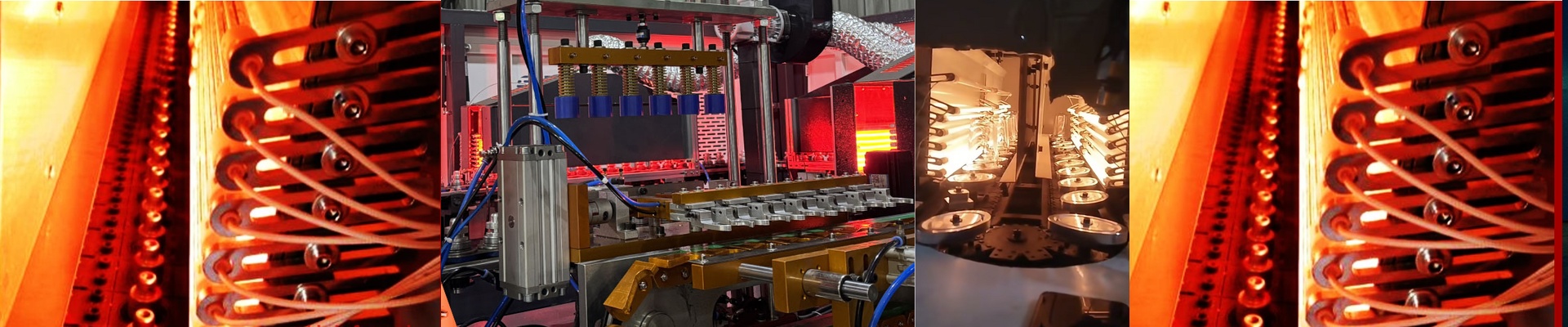
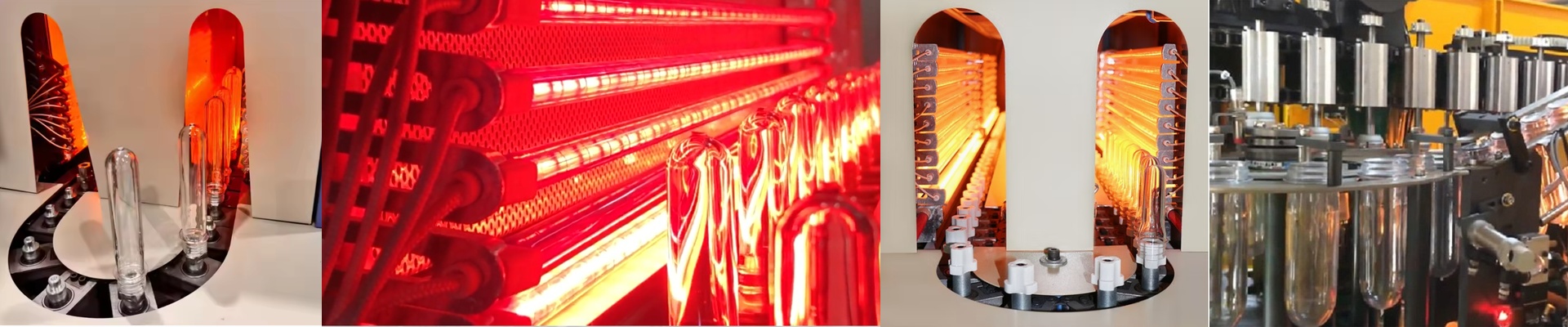
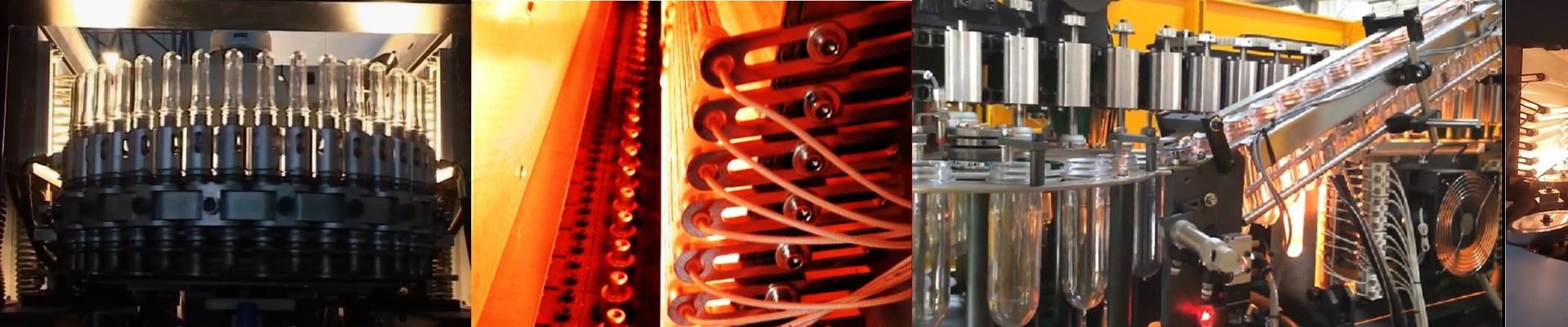
A heating bulb for commercial kitchen ovens has one disciplined job: turn electricity into radiant heat and get it where the food is. In practice, that comes down to two things—quick response and stable output. We build the bulb around infrared performance, so the heat penetrates the dough and crisps the crust instead of just warming the air. The stainless steel housing is there for the long haul—built for high heat, high steam, and the cleaning chemicals that come with it. Inside, the filament and reflector geometry are matched to the baking chamber so the energy goes forward, not wasted upward or sideways. Here are the spec points that matter to operators:
- Fast heat-up: Hits full operating temperature quickly, so the oven recovers fast after door openings and loading.
- Controlled spectrum: Infrared output tuned for dough and pastry, promoting even caramelization without scorching the top.
- Stable resistance under load: Holds output as the thermostat cycles, cutting down temperature swings that cause uneven baking.
- Physical fit: Dimensions and mounting matched to common oven chambers—deck ovens, rotary ovens, and convection ovens—so install stays straightforward.
- Clean power compatibility: Specified for standard commercial voltages, with the right connector type for oven terminal blocks. None of these numbers are academic. They translate into a baking chamber that comes back to temp fast, holds steady through a rush, and delivers repeatable results.
Why this matters on the line
In a busy bakery, pizza station, or bake-to-order setup, the oven isn’t idling. Doors open every few minutes. Trays slide in and out. Steam escapes. The thermostat calls for heat, and the element has to answer—immediately. When the heating bulb responds fast, you get:
- Faster recovery after loading: The stone hearth or deck stops bleeding heat, and the next product goes in on schedule.
- More consistent crust and color: Radiant heat targets the dough surface, giving you blister and chew without over-drying the top.
- Tighter temperature control across service: Fewer long swings mean fewer “wait for temp” moments and fewer throwaways.
- Workflow that stays steady: The oven becomes a predictable station, not a bottleneck that forces staff to pace tickets. This matters on a deck oven running on stone, where the hearth stores heat and the heating element has to replenish it. It matters in a rotary oven, where load after load cycles through and the chamber has to snap back to setpoint. It matters in convection ovens too—radiant bulb output complements airflow, helping product brown early and finish even. Energy use is practical, not theoretical. A bulb that heats fast and holds steady can reduce total energy per bake cycle because the oven spends less time chasing temperature and more time baking at setpoint. That shows up on the utility bill, especially in high-volume operations. And then there’s uptime. In a hot kitchen, components wear. Stainless steel housing and solid internal construction are chosen so the bulb can take repeated thermal shock, steam exposure, and cleaning. Fewer replacements mean fewer service interruptions—and fewer spare bulbs sitting in a drawer waiting for the next failure.
The real-world details
A heating bulb performs best when the oven and the bulb are matched. Here are the points that keep it working the way it should.
- **Match wattage to the cavity and duty cycle.**Too low, and recovery drags. Too high, and you can overshoot setpoint and create hot spots. The right wattage balances speed with control.
- **Confirm voltage and connector before ordering.**Commercial ovens vary in voltage configuration and terminal layout. Getting this right prevents field mismatches and safety headaches.
- **Check clearance and mounting.**The bulb needs space to radiate without contacting pans, racks, or interior hardware. If it’s cramped, heat reflects poorly and performance falls off.
- **Protect against thermal shock.**Avoid slamming the oven from cold to max during preheat. Let it come up smoothly, and the bulb will last longer.
- **Expect heat to be directional.**Radiant heat gives you a strong surface effect. In convection ovens, keep airflow in mind—positioning affects how evenly the product bakes. One honest constraint: infrared bulbs are heat-at-demand components. They shine when the oven is well-insulated and the thermostat is healthy. If the door seal leaks, or the insulation is thin, the bulb will work harder to compensate, and service life can shorten. In those cases, pair the upgrade with routine maintenance—seals, gaskets, and insulation checks. If your oven is solid but struggles to keep up during peak hours, a restaurant stainless steel heating bulb is a practical way to tighten performance—faster recovery, more consistent bake, and fewer interruptions when the tickets stack up.