Why You Can’t Cut Corners with Explosion-Proof Glass in Your Bathroom
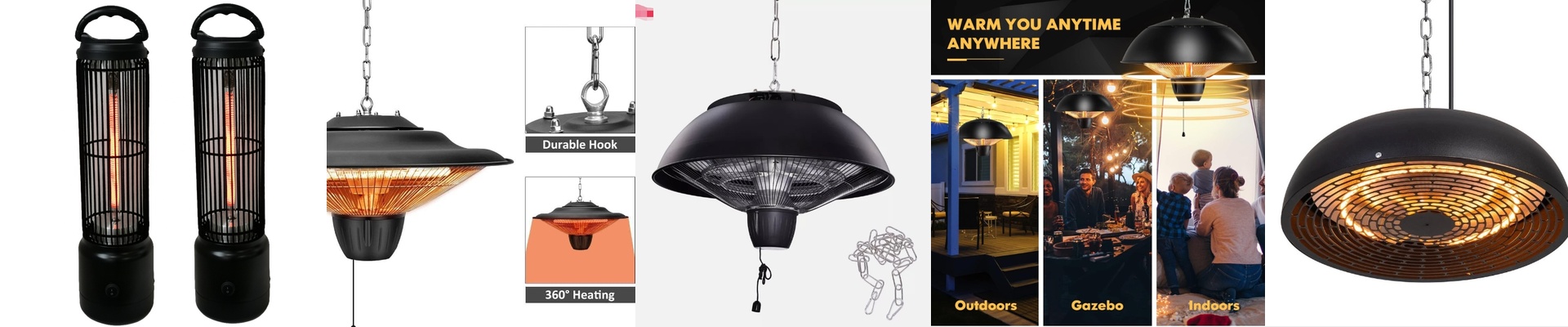
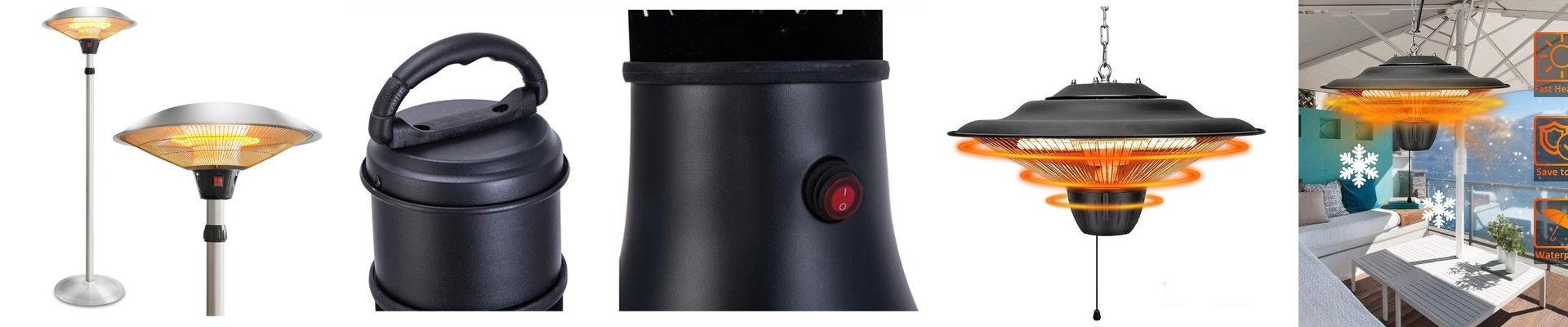
Let’s be honest: nobody likes stepping out of a hot shower into a freezing bathroom. That’s why those infrared lamps are such a lifesaver. Most of them use quartz glass because it can take a beating when it comes to heat. But here is the scary part. In a shower, you’ve got a tube running at 800°C, and then—bam—a stray drop of cold water hits it. If that glass isn’t “explosion-proof,” that sudden temperature drop can make the whole thing shatter in a split second. Not exactly the vibe you want while you’re towel-drying. The safety side of things Now, when people say “explosion-proof,” they aren’t talking about some military-grade shield. It usually just means there’s a safety mesh or a special coating on the glass. It’s a safety net. If the filament decides to give up or the glass happens to crack, the mesh keeps the shards from flying across the room. It keeps the mess contained so you aren’t cleaning up glass shards from your bathmat. How it actually works We use high-purity silica quartz because it lets infrared heat pass right through. Instead of wasting time heating up all the air in the room, the heat goes straight to your skin. It feels instant. The only downside? Quartz is fragile. It handles heat like a champ, but it hates being bumped into. If you’re putting these in a spot where people might accidentally hit them, make sure the housing is sturdy. You don’t want anything touching that tube directly. A few tips for the install If you’re wiring these up yourself, please—get your seals tight. Steam is basically the enemy here. It loves to creep into the electrical terminals. I always suggest using high-temp silicone gaskets to keep the moisture out of the socket. If you don’t, the contacts will start to pit, you’ll get some nasty electrical arcing, and your tube will burn out way sooner than it should. Also, keep your voltage steady. Spikes are a great way to blow a filament and end up buying a replacement a lot sooner than you planned.