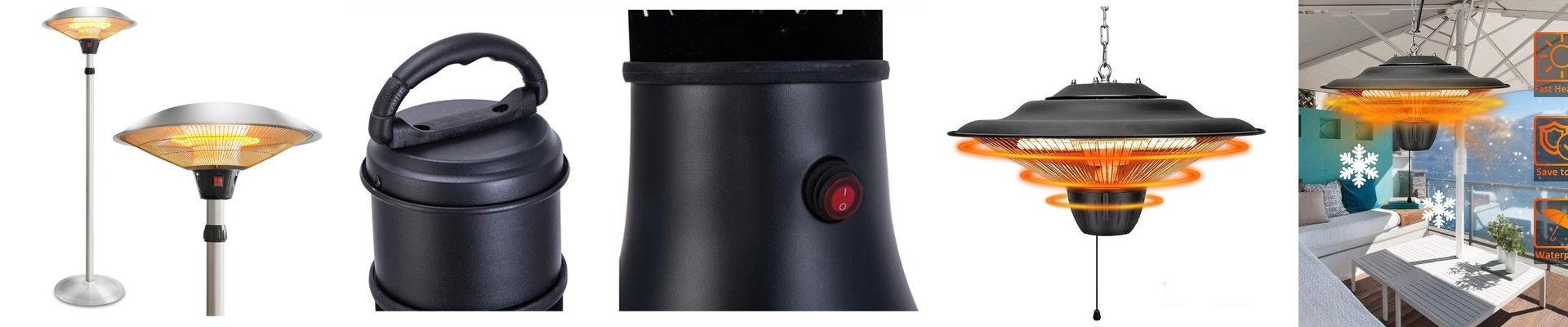

When those bay doors swing open and winter air floods the space, your wrench feels stiff and every motion slows. Out here, you need an energy-efficient electric heater that warms the person, not the whole building. Infrared warmth nails that.
What matters under the hood
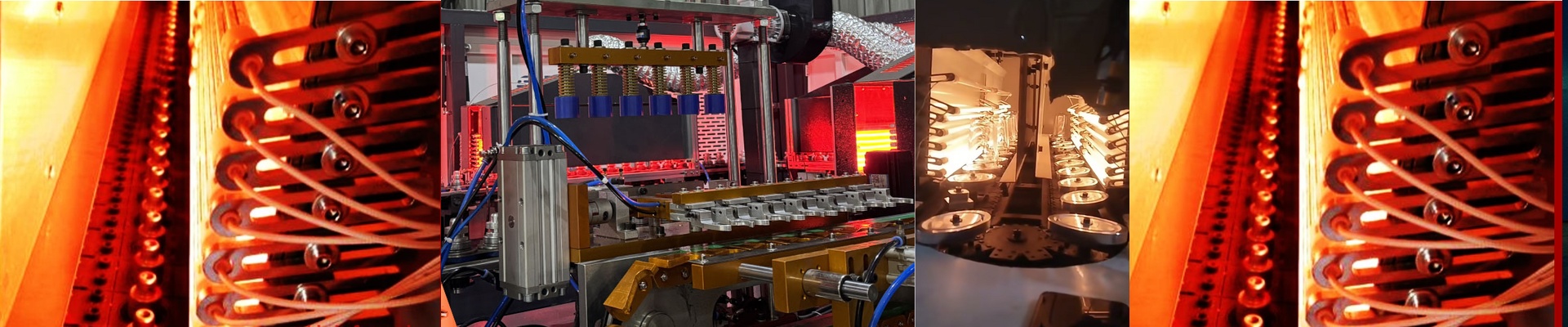
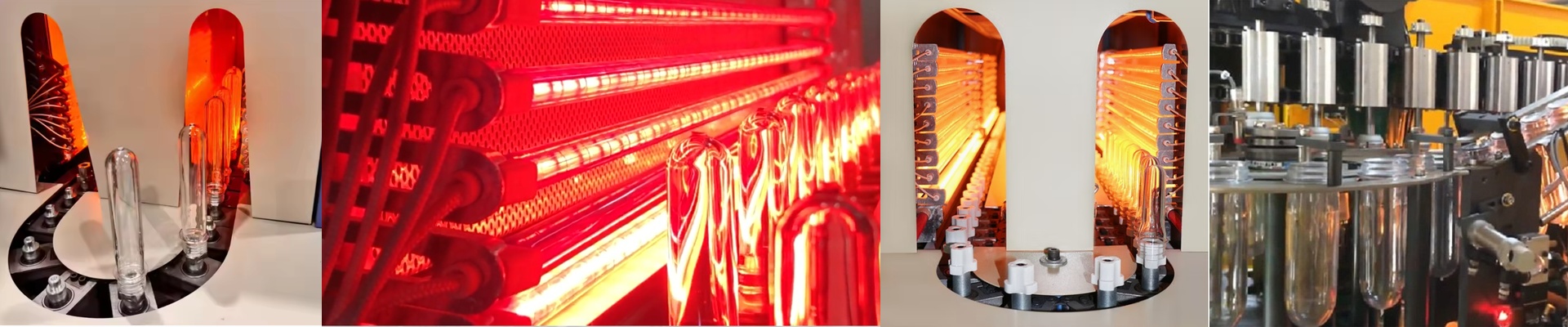
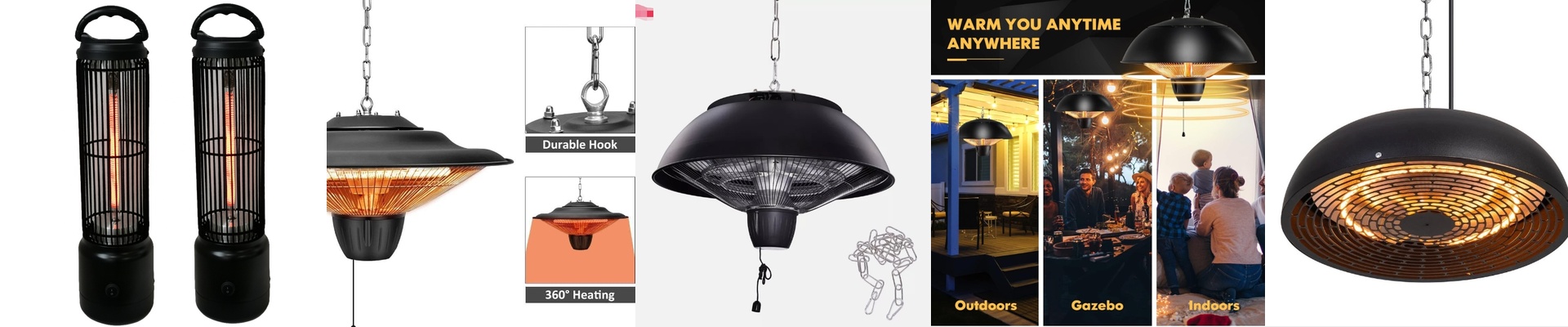
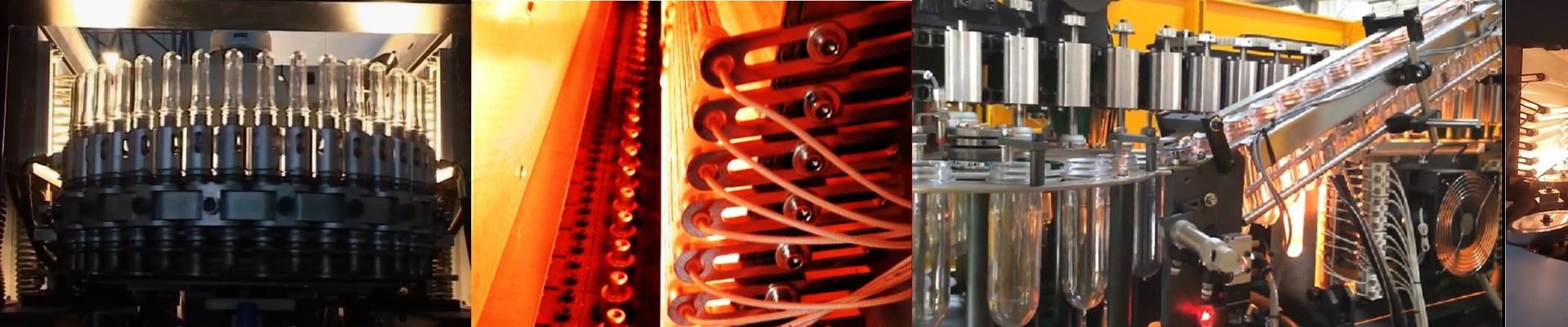
Infrared heaters throw radiant heat—straight-line warmth that hits people, tools, and work surfaces directly. In a garage, we lean on short-wave or medium-wave quartz elements. They come up fast and deliver tight, directional output. A 1500W electric heater is a solid pick for a single workstation. It has the punch to fight wind and drafts, and it runs off a standard 120V outlet. Look for a unit with an actual thermostat, tip-over protection, and a grill that can take a beating. An IP rating of IP34 or higher tells you it can live with dust and the occasional splash from washing a vehicle.
Why this works in a shop
With radiant heat, you feel the warmth in seconds—fingers stay nimble and your grip stays sure. No noisy fan to kick up dust and debris, no blast of hot air drying out skin and eyes. Because the heater focuses on the immediate work area, you get local heating where you need it instead of throwing energy at the entire garage volume. That focus keeps energy use in check and leaves the air still—exactly what you want when you’re aligning parts, measuring, or laying down a delicate finish.
What you need to get right
Position the heater 6–8 feet from the workbench, angled toward your torso and hands, and keep it well away from flammable solvents and fuels. For best results, pair it with a well-sealed door and a thermal curtain to cut down on cold air intrusion. Infrared is line-of-sight, so shadows behind tools can feel cooler. If you run into that, a second, smaller unit can even things out. This is electric heat, so plan the cord path to avoid trip hazards and always use a grounded outlet.