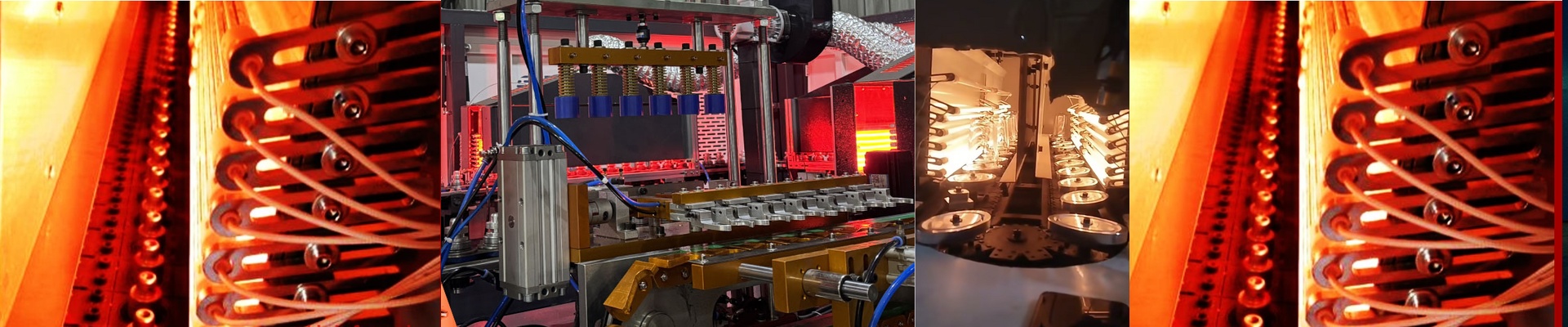
Introduction
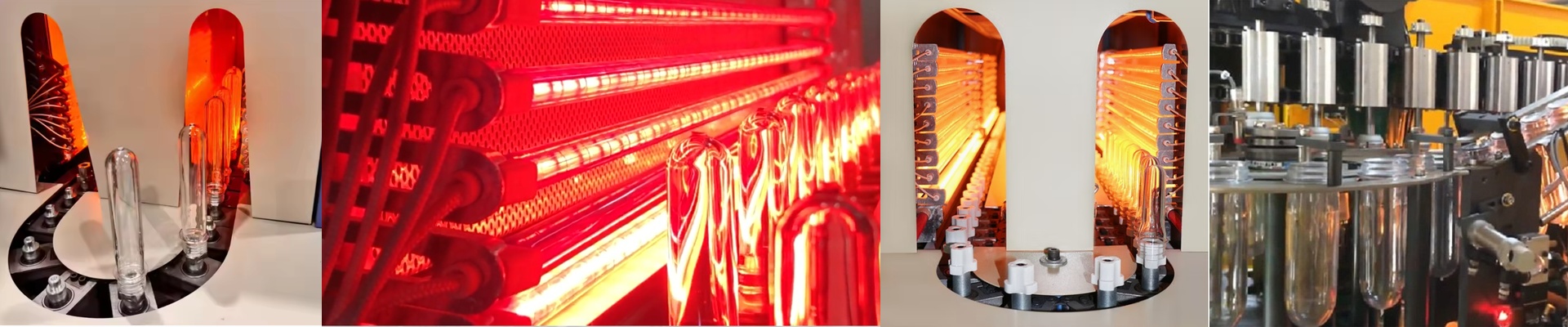
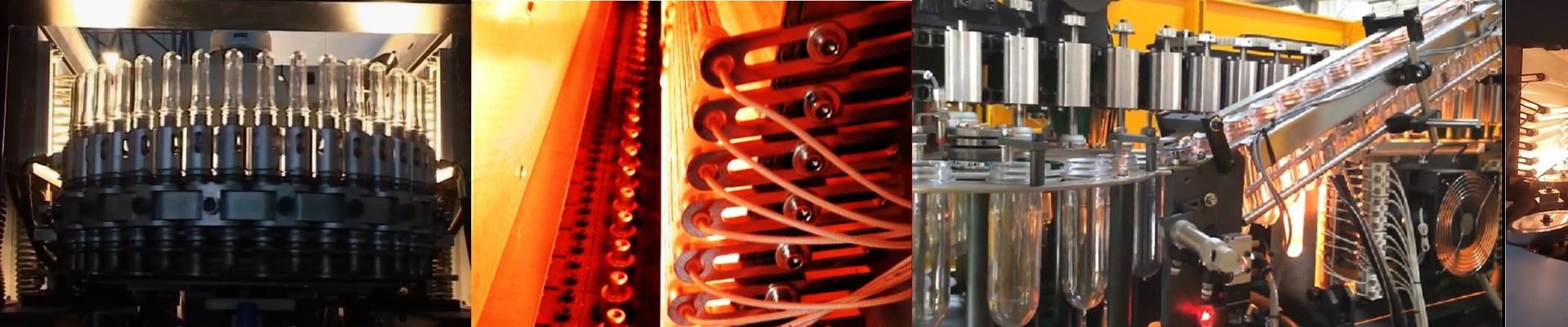
We built this Krones-compatible IR radiator to be a straight swap for your KHS blow molding lines. The whole point? To stop struggling with uneven heating on PET preforms—without tearing out the entire oven setup.
Power, Voltage, and Geometry—Why It Matters
We went with 400V for a reason. It lets us pack more wattage into a compact quartz tube without overloading the current. That means serious heat, focused in a small footprint—perfect for tight heating zones. We matched the lamp length and wattage to the preform’s heating needs, so the heat stays where you need it, instead of spilling energy into empty space. That focus is what gives you more even heating. But here’s the catch: a 400V, high-density radiator puts more heat into the machine chamber. So your cooling and airflow need to be up to the job. If the space around it gets too hot, the lamp runs hotter, and the control system has to work overtime.
Material and Design: Keeping It Simple, Keeping It Tough
We chose quartz because it handles fast temperature swings without breaking a sweat, and it delivers infrared energy cleanly. The coating is picked to shape the heat spectrum, so the energy hits the preform surface efficiently—not wasted on the machine frame. And the R7s connector? It’s just a practical, industrial choice. It gives you solid contact and makes replacement quick. On KHS and Krones lines, that means you can wire it in and swap it out in minutes—less downtime, more uptime.
What This Means on the Line
On KHS blow molding machines, uneven heating shows up as weak necks, uneven wall thickness, and scrap. This radiator brings the heat back into balance across the preform neck and body. The payoff is steady, repeatable output. You get consistent heating that keeps cycles stable, cuts scrap, and makes it easier to hit those tight tolerances. We designed it to match the original footprint and mounting, so it works as a compatible upgrade for Krones and KHS machines. No re-engineering the line—just wire it up, set the controls, and run.