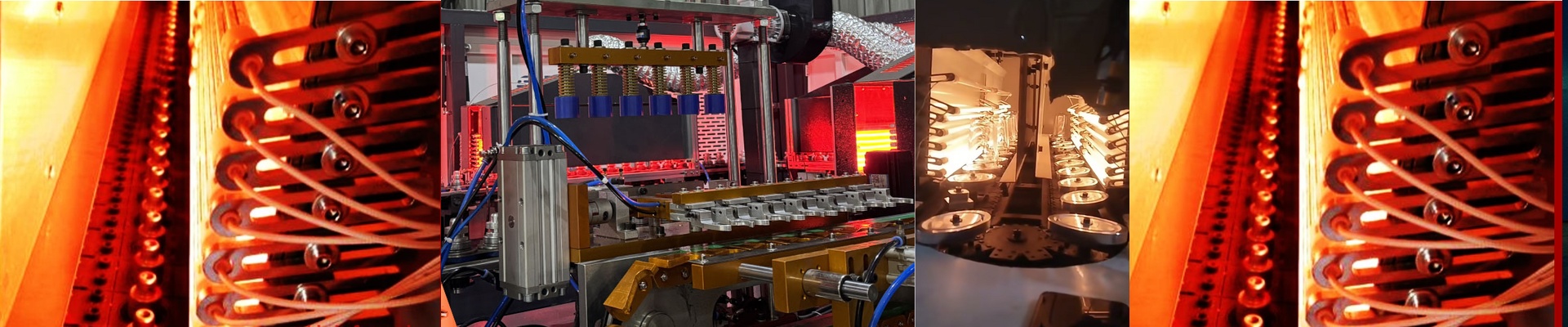
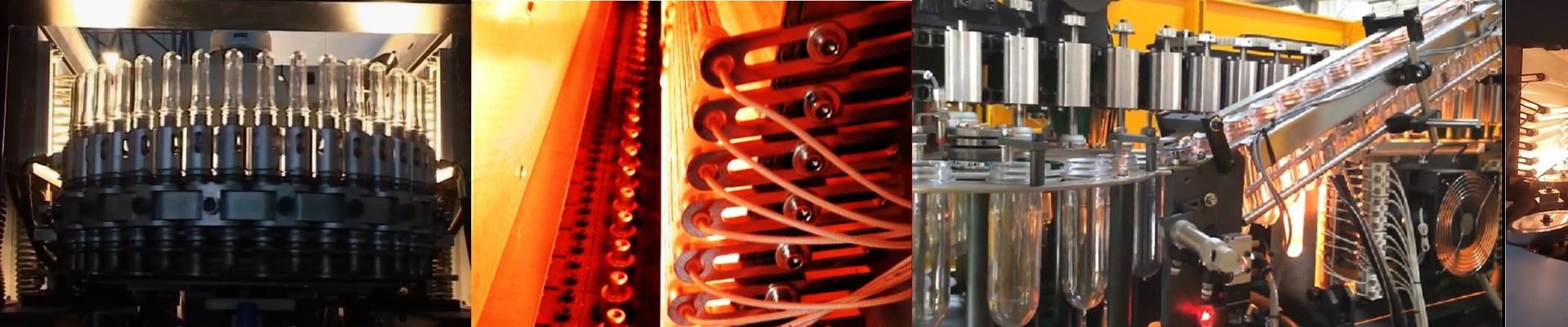
Uneven preform heating is the quiet saboteur on the blow molding line. You know the signs—stretch ratios that wander, blown shoulders, and line speed that suddenly has to back off. More often than not, the problem traces back to a reheat lamp that’s mismatched or just plain old, and it can’t hold the thermal profile the machine needs.
What matters under the hood
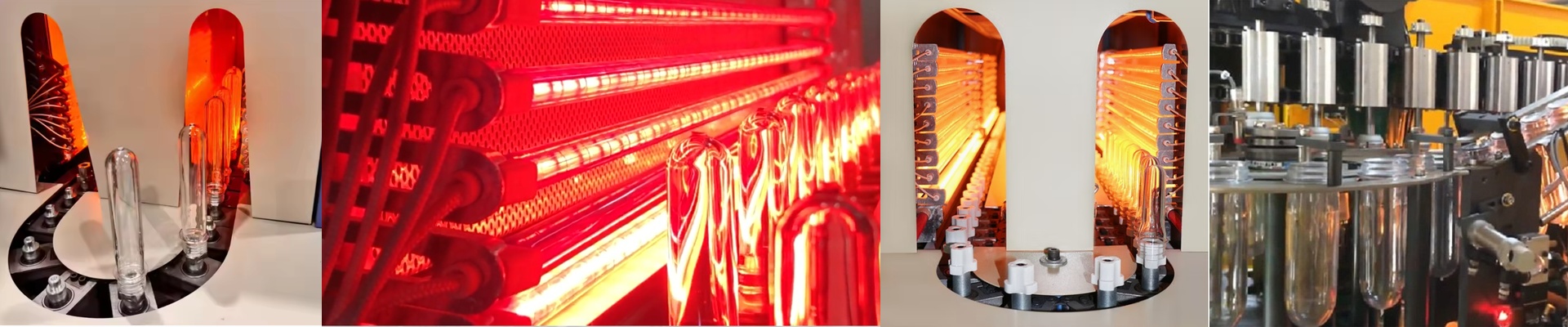
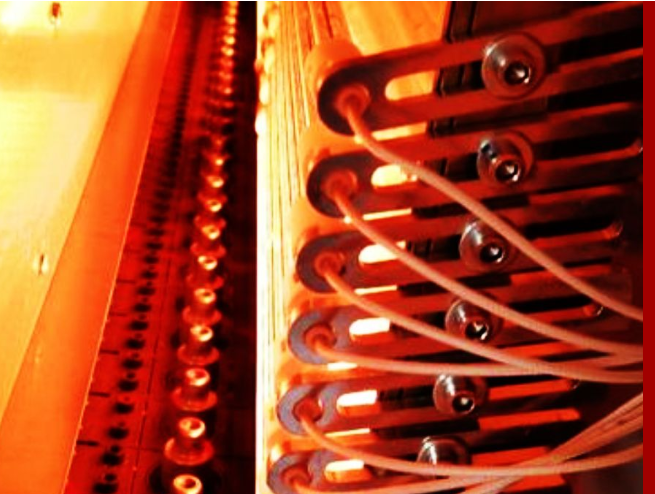
We spec the 1000W 230V preform reheat lamp as a direct-fit infrared emitter for the heating tunnel, sized to match the power density and thermal response stretch blow molding demands. The 1000W rating is there to deliver steady heat flux through the preform wall, so you get a controlled temperature rise without scorching the surface. Quartz construction gets the lamp up to setpoint fast, and the output decay is predictable—so it holds steady between cycles. And the 230V supply lines up with standard plant power on most blow molders, which means less rewiring and fewer panel changes.
Why this matters on the floor
This lamp is built around the realities of preform heating: you need repeatable temperature across the neck, body, and shoulder to hit the right biaxial orientation. Keeping the heat field tight keeps the surface from overheating while the interior reaches the melt strength you need. So what does that mean in production? Fewer pinholes, better weight distribution, and a process window that doesn’t feel like it’s slipping every time you turn around. In practice, you can push higher cavity counts without overworking the heating section, and you spend less time chasing drift at the blow station.
What to watch for
Installation is straightforward, but the lamp only performs if the reflectors are clean, alignment is right, and spacing to the preform path is correct. Make sure the lamp base and connector match your holder—R7s is common, but not universal—and confirm the tunnel wiring can handle a 1000W load at 230V without voltage drop. Infrared emitters are sensitive to ambient temperature and airflow, so keep the tunnel sealed and allow a short warm-up after startup. That gives the thermal curve time to settle and keeps the heating profile consistent.